The 10 Best Lawn Edgers
The 10 Best Lawn Edgers

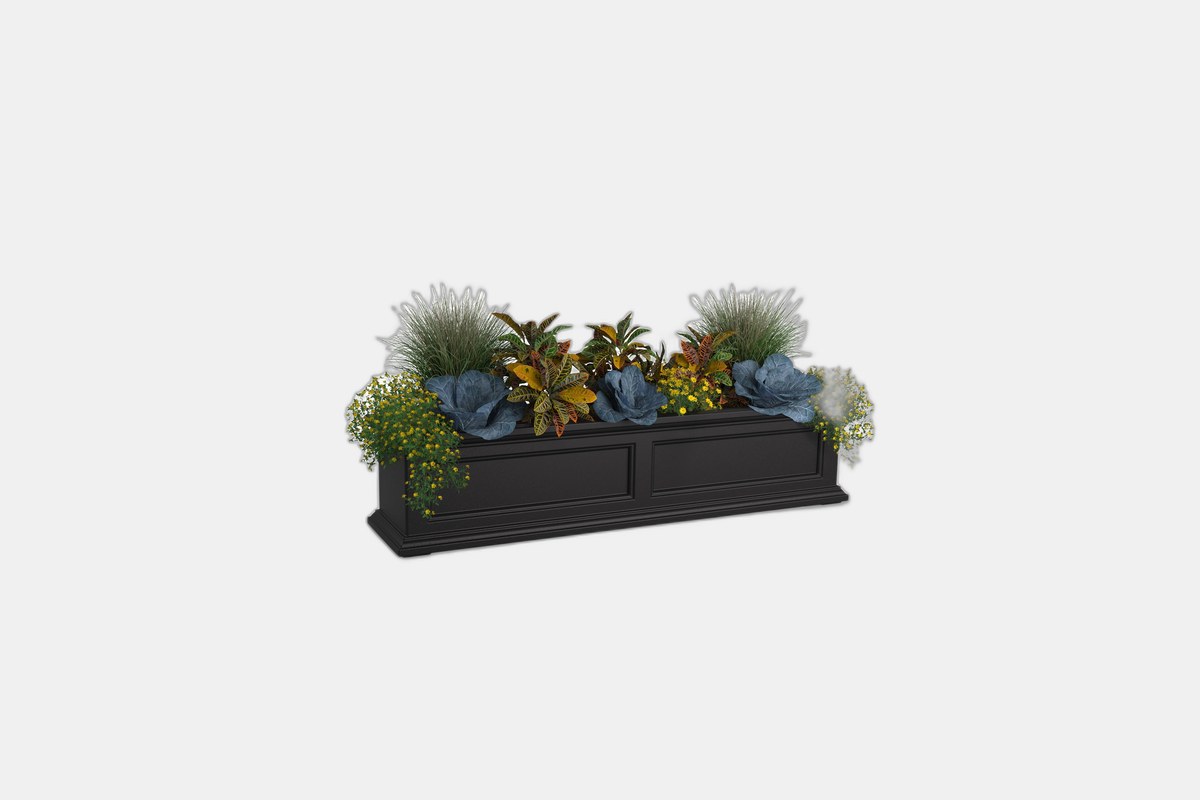
There’s nothing quite like a window box overflowing with flowers to boost your home’s curb appeal. It’s such a simple touch, but it makes a huge difference, making a house feel more like a home. It just feels so welcoming from the street.
I’ve gone through my fair share of them over the years. Some were flimsy plastic that cracked after one winter, and others were untreated wood that rotted out way too fast. I’ve learned what to look for and which ones are actually built to last more than a single season.
So, I’ve put together a list of the best window boxes I’ve either used myself or would recommend to a friend in 2026. These are the ones that balance looks, durability, and smart features that make gardening a little bit easier.
If you’re busy or just a bit forgetful with the watering can (like me), a self-watering planter is a fantastic investment. They have a built-in reservoir that keeps the soil moist from below, so your plants are happier and you’re not watering constantly.
This one costs about $130, and it’s been my go-to for years. It’s made from a super durable polyethylene that honestly looks like painted wood, but you never have to worry about it peeling, fading, or rotting. I’ve had mine up for three seasons and it still looks brand new.
The self-watering system is the real star here. There’s a reservoir in the bottom that you fill up every week or two, and it keeps the soil perfectly moist. It’s been a lifesaver for my petunias during those hot August weeks.
The Downside: During a really rainy week, you have to be careful it doesn’t get waterlogged, as the reservoir can fill up and oversaturate the soil.

For around $84, this is the bigger version and it’s perfect for a large picture window. We have one of these under the main window in our living room and it really makes a statement. It holds a ton of soil and plants.
It has the same great self-watering feature and tough, all-weather construction as its smaller sibling. Even though it’s big, it’s surprisingly lightweight before you add soil, which makes installation much easier than a heavy wooden or metal box.
The Downside: If you plan on filling it to the brim with heavy soil and big plants, you might want to buy an extra set of support brackets just to be safe.
This model is about $95 and offers a more traditional, coastal look. If you have a Cape Cod or farmhouse-style home, the recessed panel design on this one is a perfect match. It looks so crisp and clean in white.
It’s got the same reliable Mayne self-watering system and durable plastic construction, so you get that classic style without any of the maintenance headaches of real wood. It’s great for year-round displays, from spring flowers to fall mums and even holiday greens.
The Downside: It doesn’t come in as many lengths as the Fairfield line, so your sizing options are a bit more limited.
At around $76, this is the perfect solution for smaller spots. We use a couple of these on the smaller windows on the side of our house, and they look great. They’re also a fantastic size for mounting on a deck or balcony railing in an apartment.
You get all the same benefits—the self-watering reservoir, the fade-resistant finish, and the easy installation—just in a more compact package. It’s ideal for a simple planting of herbs or a few colorful annuals.
The Downside: The smaller soil capacity means you’re a bit limited in what you can plant. It’s not deep enough for plants with really extensive root systems.
Sometimes you want a material with a bit more character. Metal boxes, especially copper, develop a beautiful patina over time, and trough-style planters give off a wonderful English garden vibe.
This one is definitely an investment at $219, but it’s absolutely gorgeous. It’s a stainless steel box with a real copper finish that ages beautifully. Over time it develops that soft, greenish patina that looks incredible against brick or dark siding.
It feels incredibly solid and well-made. This isn’t a flimsy piece you’ll be replacing in a few years; it’s a real architectural element for your home. It also has drainage holes pre-drilled, which is a nice touch.
The Downside: The price is steep compared to plastic or resin options, so it’s a bigger commitment.
Another high-end option for about $210, this one has a more weathered, hand-finished look right out of the box. The rustic finish is warm and inviting, and it gives the house a very established, custom feel.
Like the other H. Potter box, it’s built to last with a corrosion-resistant stainless steel core. The frame makes it easy to mount, and the open top gives you plenty of room to work with your plants.
The Downside: If you want to keep that bright copper shine, you’ll need to apply a clear coat every year or so, which is an extra maintenance step.
For just $50, you can get that classic English cottage look. I have one of these hanging on my garden shed, and it’s so charming. The black metal frame is simple and sturdy, and it comes with a coconut coir liner.
The liner is great because it holds moisture well but also provides excellent drainage, so roots don’t get waterlogged. And when the liner eventually wears out after a season or two, they’re inexpensive and easy to replace.
The Downside: The mounting hardware it comes with isn’t the best. I’d recommend buying your own sturdier brackets from the hardware store.
You don’t have to spend a fortune to get a great look. These options are perfect for getting started, for indoor use, or for a fun DIY-style project.
At only $17, this planter is a total bargain. It gives you the look of a heavy stone or concrete trough but it’s made of a lightweight resin blend. You can move it around easily, and it won’t crack in a freeze.
It’s a great starter box if you want to try out the look without a big investment. The finish is UV-protected, so the color shouldn’t fade too badly in the sun. It’s a simple, affordable way to add some instant charm.
The Downside: It doesn’t come with a saucer or tray, so if you plan to use it on an indoor windowsill, you’ll need to find something to protect the surface.
You can’t beat the price on this one at just $15. It’s a simple, rustic pine box that’s perfect for a small herb garden on the deck or a little splash of color on a patio table. It even comes with a plastic liner to help protect the wood.
The distressed finish gives it a cozy, farmhouse feel right away. It’s a great option for a casual, DIY look or for indoor use with succulents or houseplants.
The Downside: The wood isn’t treated for long-term outdoor exposure. If you leave it out in the rain and sun all year, it will likely start to warp or rot after a season or two.
The first thing I always consider is the material. Polyethylene plastic, like the Mayne boxes, is my top choice for durability and low maintenance. Metal is beautiful but can be expensive, and wood looks great but requires regular sealing to prevent rot.
Drainage is also incredibly important. Without proper drainage holes, your plant roots will sit in water and rot. If a planter doesn’t have holes, I drill a few in the bottom myself before I even think about adding soil.
Finally, think about installation. Make sure the box comes with sturdy brackets or that you buy your own. You’re putting a lot of weight—soil, water, and plants—into that box, so you want to be absolutely sure it’s securely fastened to your house or railing.
The 10 Best Lawn Edgers
The 48 Best Gifts for Men
The 10 Best Succulent Soils
The 39 Best Hostess Gifts


Leave a Reply