22 Aug 2025
The 5 Best Upright Freezers
The 5 Best Upright Freezers
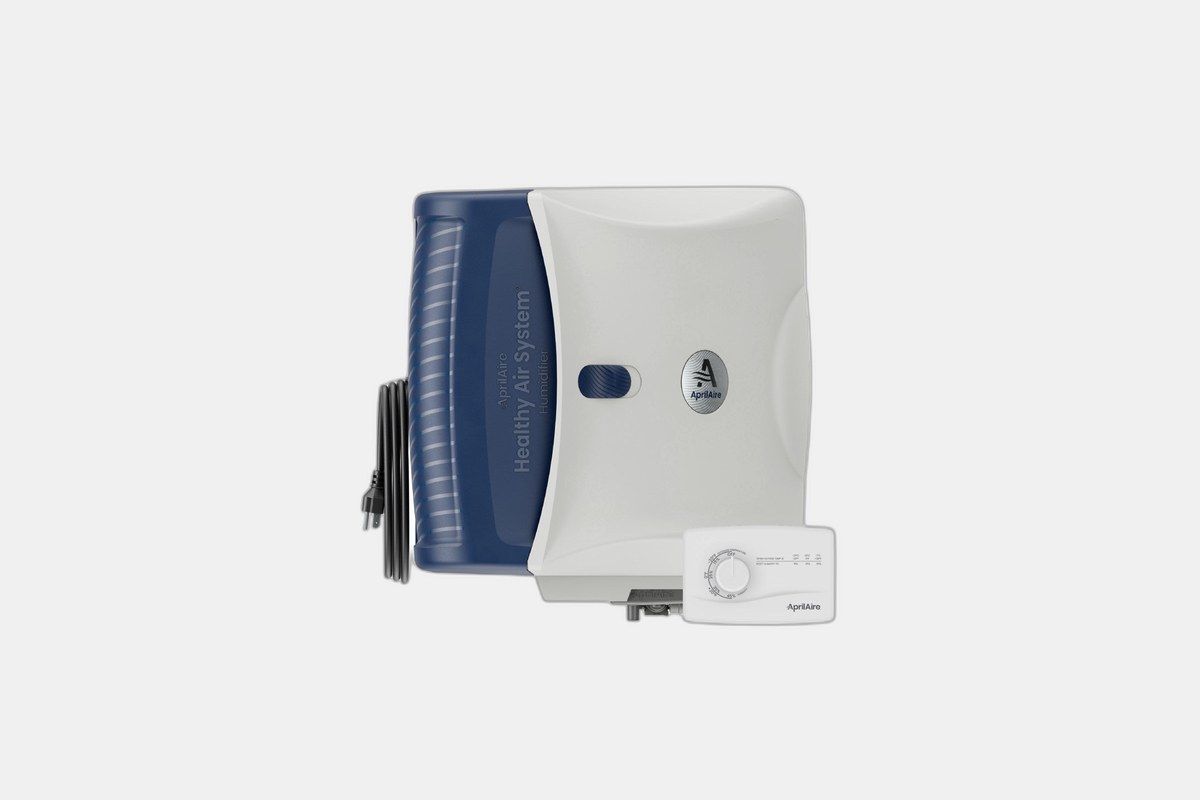
Every winter, it’s the same story in my house. The air gets so dry I start getting zapped by light switches, my skin feels tight, and I wake up with a scratchy throat. For years, I tried placing little portable humidifiers in every room, which just meant I spent all my time refilling tiny tanks and cleaning up white dust.
Finally, I had enough and decided to look into a real solution. A whole-house humidifier that connects to my HVAC system seemed like the way to go. No more daily refills, just consistent, comfortable humidity throughout the entire house. It’s one of those home improvements you don’t realize you need until you have it.
After a ton of research and talking to my HVAC guy, I’ve sorted through the options. Here are my picks for the best whole house humidifiers for 2026, based on what actually works for real homes like mine.
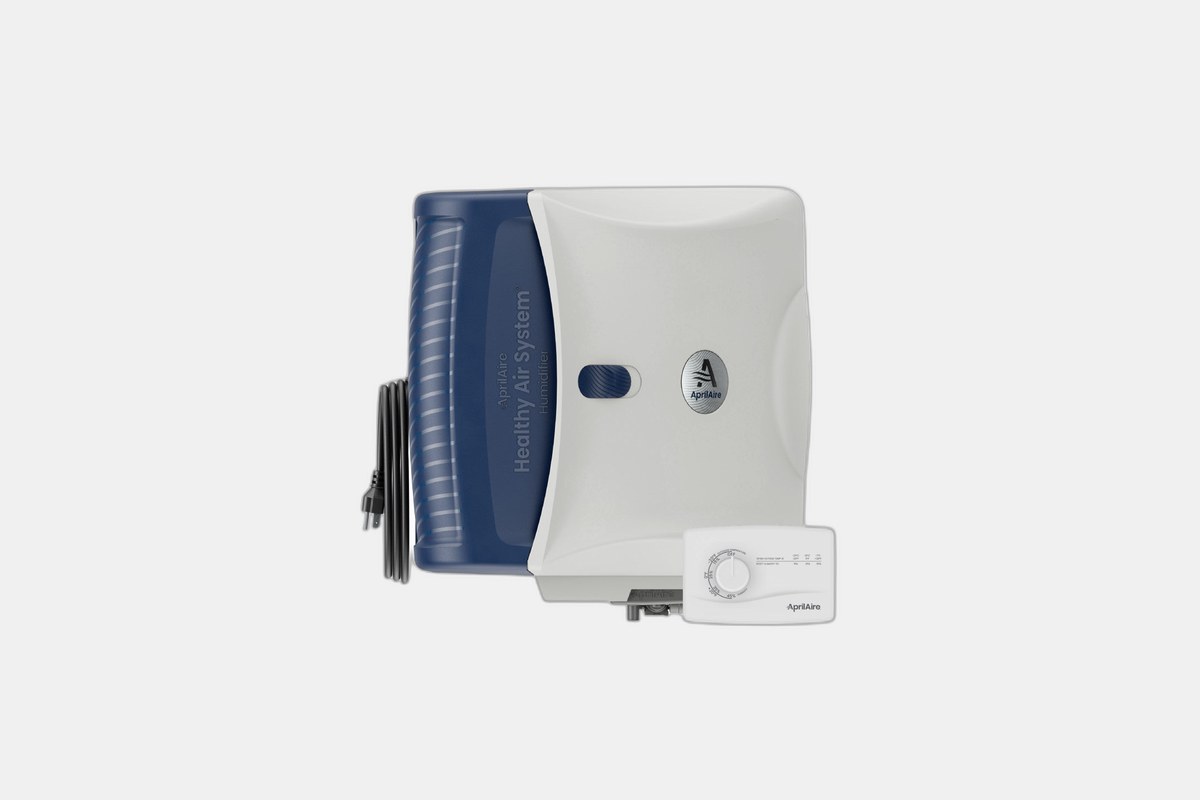
This model costs around $400. If you have a larger, newer home that’s sealed up tight, this is the one to look at. Its built-in fan pushes moist air into your ducts, so it doesn’t have to rely entirely on your furnace running.
It can put out a whopping 21 gallons of moisture a day, which is more than enough for most places up to 6,250 square feet. People who have it love that it automatically adjusts the humidity level, so you just set it and forget it. The best part for me is how little water it wastes compared to older models.
The Downside: This isn’t a DIY job for most people. You’ll need to have an HVAC professional install it, so factor that cost into your budget.
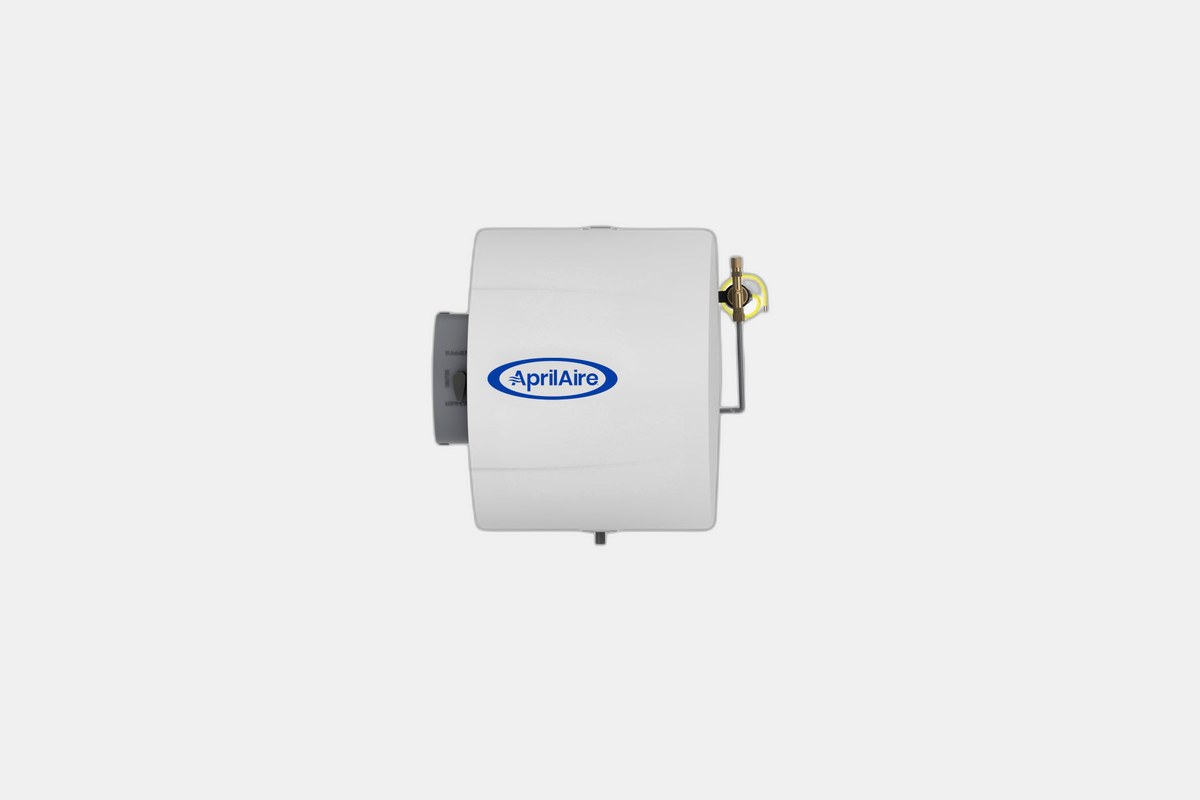
You can find this one for about $339. The AprilAire 600 is probably the most common and reliable ducted humidifier out there. It’s a bypass model, which means it uses your furnace’s fan to move the humidified air through your home.
It’s perfect for the average home, covering up to 5,000 square feet and delivering 17 gallons per day. Maintenance is simple—you just swap out the water panel once a year. It’s a true workhorse that gets the job done without any fancy features you don’t need.
The Downside: It only humidifies when your furnace blower is actually running. If you need humidity when the heat isn’t on, this might not be the best fit.
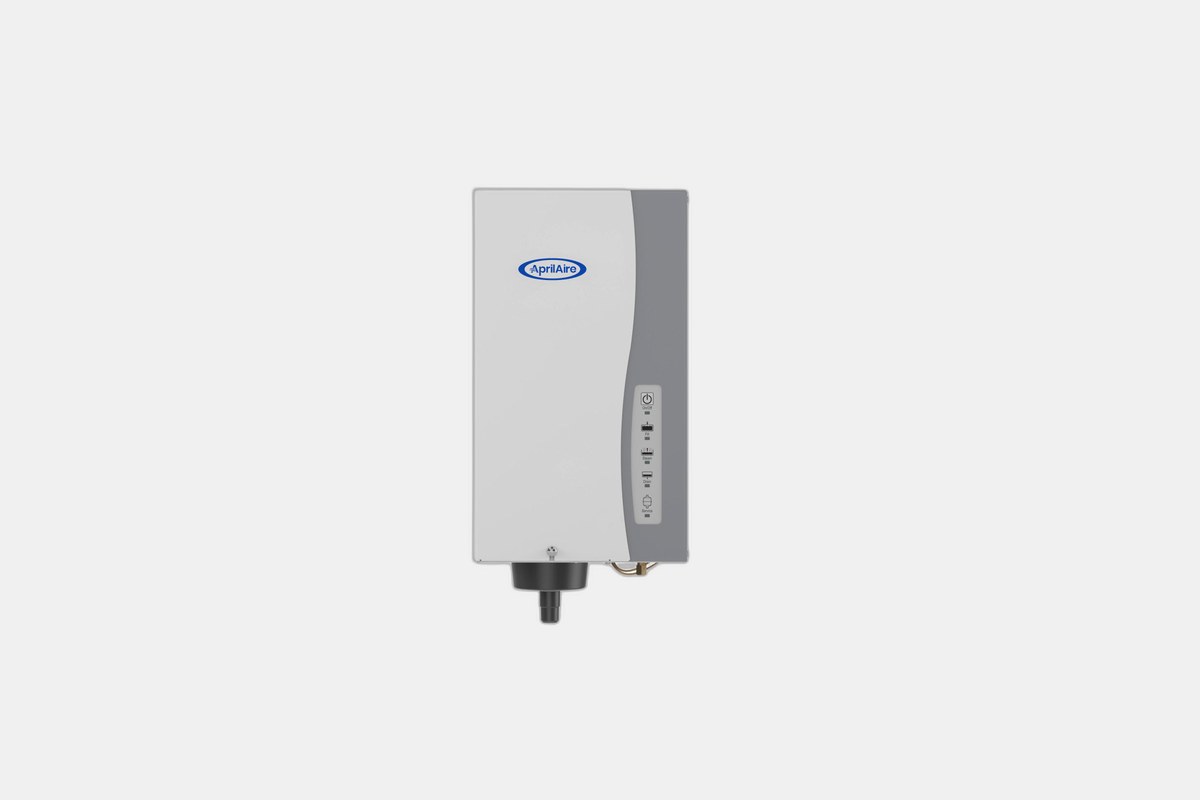
This unit is a serious investment at $1,098. If you live in a really dry climate or have a massive house (up to 10,300 sq ft), a regular humidifier might not keep up. That’s where a steam unit like the AprilAire 800 comes in.
Instead of evaporating water, it boils it to create steam for maximum moisture output—almost 35 gallons per day. It works completely on its own, whether your heat is running or not, and gives you incredibly precise humidity control. This is the top-of-the-line option for people who need serious performance.
The Downside: The price is high, and because it’s boiling water, it uses a lot more electricity than an evaporative model. Prepare for a bump in your utility bill.
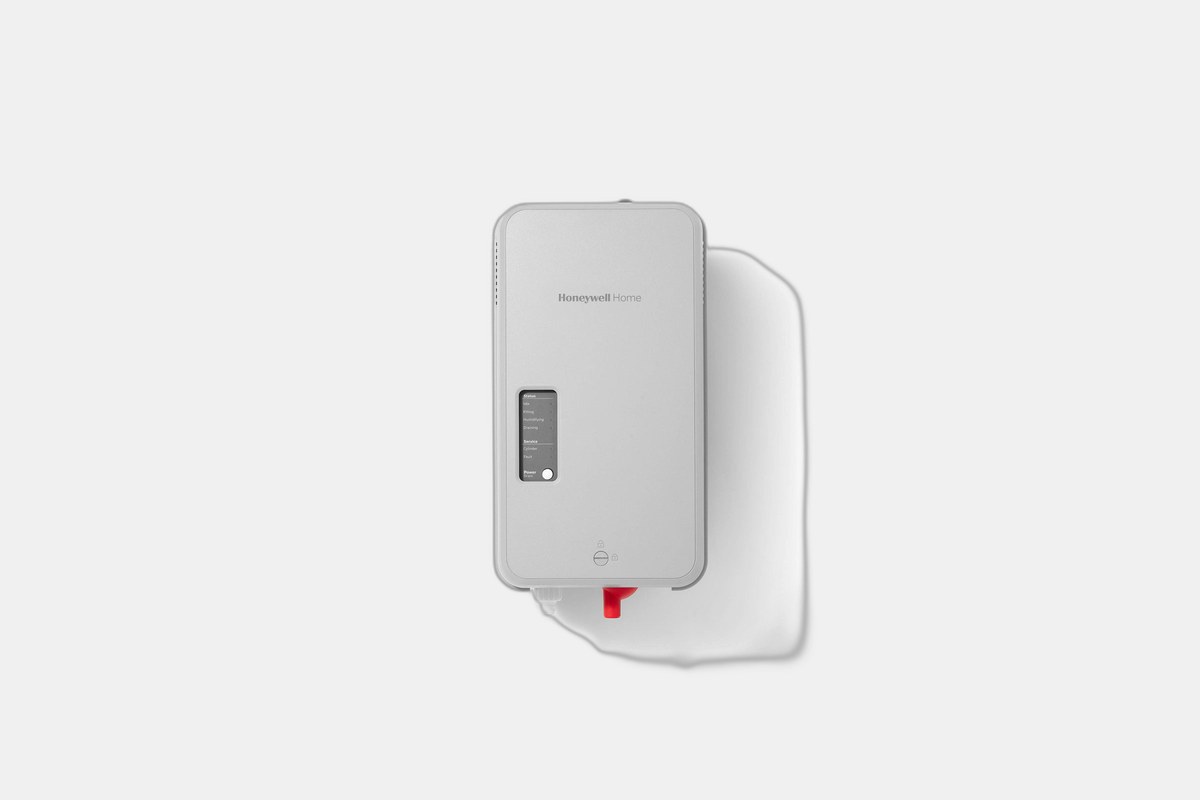
Expect to pay around $1,178 for this steam humidifier. Like the AprilAire 800, this Honeywell unit produces steam for powerful, independent humidification. It’s a great choice for homes up to 3,000 sq ft that need consistent humidity, regardless of the heating cycle.
It can put out up to 22 gallons of moisture per day, and its compact design makes for a flexible installation. The digital controls are easy to use and keep the humidity right where you want it without any guesswork.
The Downside: Steam units have more parts to maintain. This one requires you to replace the electrode cylinder every year or so, which is an added cost.
Coming in at $238, this is a totally different kind of whole-house solution. If you don’t have ductwork or don’t want to pay for an HVAC installation, a console humidifier like this one is your best bet. You just fill it with water and plug it in.
It looks like a piece of furniture and can cover up to 3,700 square feet, pumping out almost 12 gallons of moisture a day. It’s the simplest way to get whole-house humidity without modifying your furnace. The large tank means it can run for a long time before you need to touch it.
The Downside: Even with a big tank, you still have to refill it manually. When the air is super dry, you might find yourself filling it every day or two.
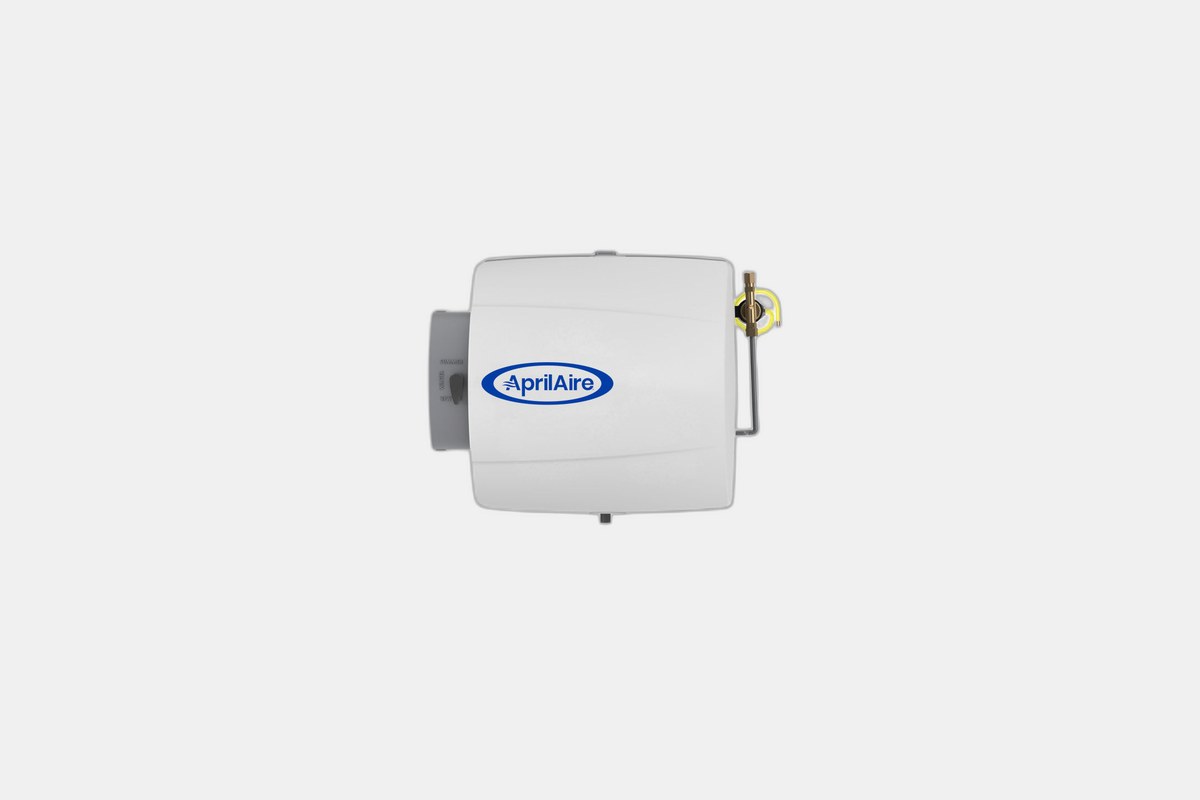
This is a great budget pick at about $225. For a small or medium-sized home (up to 3,500 sq ft), the AprilAire 500 is often the perfect fit. It’s a reliable bypass unit that gives you all the benefits of a ducted system at a really low price.
It has sensors to monitor both indoor and outdoor temps to automatically adjust the humidity, which prevents condensation on your windows. It’s a simple, efficient, American-made machine that just works.
The Downside: Its 12-gallon-per-day capacity is great for smaller homes, but it will struggle to keep up if you have a very large or drafty house.
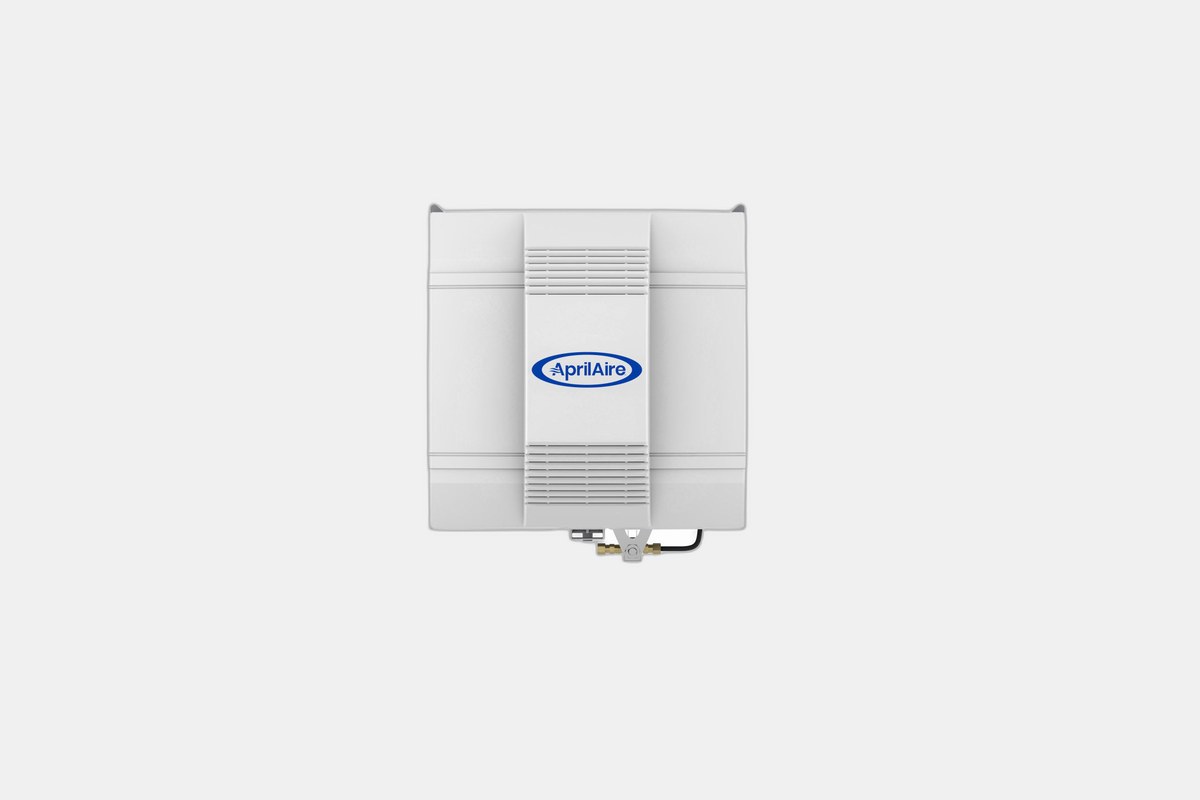
At around $500, this is a step up from a bypass model. The AprilAire 700 is a fan-powered unit, just like the 720, making it a great choice for larger homes up to 5,300 square feet. The fan helps it push more moisture (up to 18 gallons per day) into your home.
This is the model I’d recommend for a house that’s well-sealed but bigger than what a bypass unit can handle. The automatic digital control makes it a hands-off system once it’s installed and set up.
The Downside: The built-in fan uses more electricity than a simple bypass model, so your operating costs will be a little higher.
The first thing to figure out is what type of humidifier you need. Bypass and fan-powered models hook up to your furnace and are great “set it and forget it” options. Steam units are the most powerful but also the most expensive to buy and run. And console humidifiers are perfect if you can’t or don’t want to mess with your ductwork.
Next, you have to know your square footage. Don’t buy a unit rated for 2,000 sq ft if your house is 3,500—it’ll run constantly and never keep up. It’s always better to go a little bigger than you think you need, especially if you have high ceilings or an older, draftier home.
Finally, think about maintenance. All of these require some upkeep, usually just replacing a water panel or canister once a year. It’s an easy chore that takes maybe 15 minutes, but you have to remember to do it to keep the unit running efficiently and cleanly.
The 5 Best Upright Freezers
The 7 Best Evaporative Humidifiers
Looking for a new refrigerator? Our expert guide reviews the top 5 French door refrigerators available in 2026, highlighting their key features, pros, and cons to help you make the best choice for your home.
The 5 Best Portable Air Conditioners
Leave a Reply