The 4 Best Deck Stains
The 4 Best Deck Stains


After a couple of nasty power outages a few years back, I decided I was done with flashlights and melting freezers. I started looking into portable solar generators, and honestly, it’s been one of the best investments for my home and our camping trips. It’s not just for emergencies, either. I’ve used mine to run power tools in the far corner of my yard where the extension cord won’t reach.
These aren’t your old, loud gas generators. They’re quiet, you can use them indoors, and with a good set of solar panels, you have an endless supply of free power from the sun. It took some trial and error, but I’ve figured out which ones are worth the money and which ones are just expensive bricks.
So, here are the portable solar generators that I’ve found to be the most reliable and useful for a regular homeowner like me in 2026.
The Bluetti Elite 200 V2 costs $1699. If a friend asked me which one to buy, this is probably what I’d recommend for just about anyone. It really hits that sweet spot between having enough power for most things and still being something you can actually carry around.
I’ve used it to power a small fridge and a fan during an outage, and it didn’t even break a sweat. The battery technology in this thing (they call it LiFePO4) is a big deal because it means it’ll last for years and thousands of recharges. It also charges up super fast, which is great when the sun finally comes out after a cloudy day.
The Downside: It’s not exactly lightweight. At over 50 pounds, you’re not going to want to carry it on a long hike, but it’s manageable for moving from the garage to the patio.

The Generac GB2000 is priced at $1500. When I think of home backup, this is the unit that comes to mind. Generac has been in the generator game forever, and this thing feels solid and dependable for keeping the essentials running when the power grid lets you down.
It’s incredibly quiet and smart about how it uses power, so it doesn’t waste juice. During a storm last fall, it kept our sump pump, router, and a few lights going without any issues. With good solar panels, you can get it fully charged in less than a day.
The Downside: It doesn’t come with solar panels. You have to buy those separately, which adds to the overall cost if you don’t already have some.
You can get the EcoFlow Delta 2 Max for $1900. This is my go-to for camping trips or when we have a backyard cookout. It’s built tough and has a ton of outlets, so everyone can charge their phones, speakers, and whatever else at the same time.
The big test for me was running our small camping fridge, and it kept it cold for over 14 hours with power to spare. The battery is another one of those long-lasting LiFePO4 types, so I know I’ll be using this for many seasons to come. It’s a real workhorse.
The Downside: For all its plugs, it doesn’t have a 30-amp outlet for a larger RV. It’s not a dealbreaker for me, but something for RV owners to be aware of.
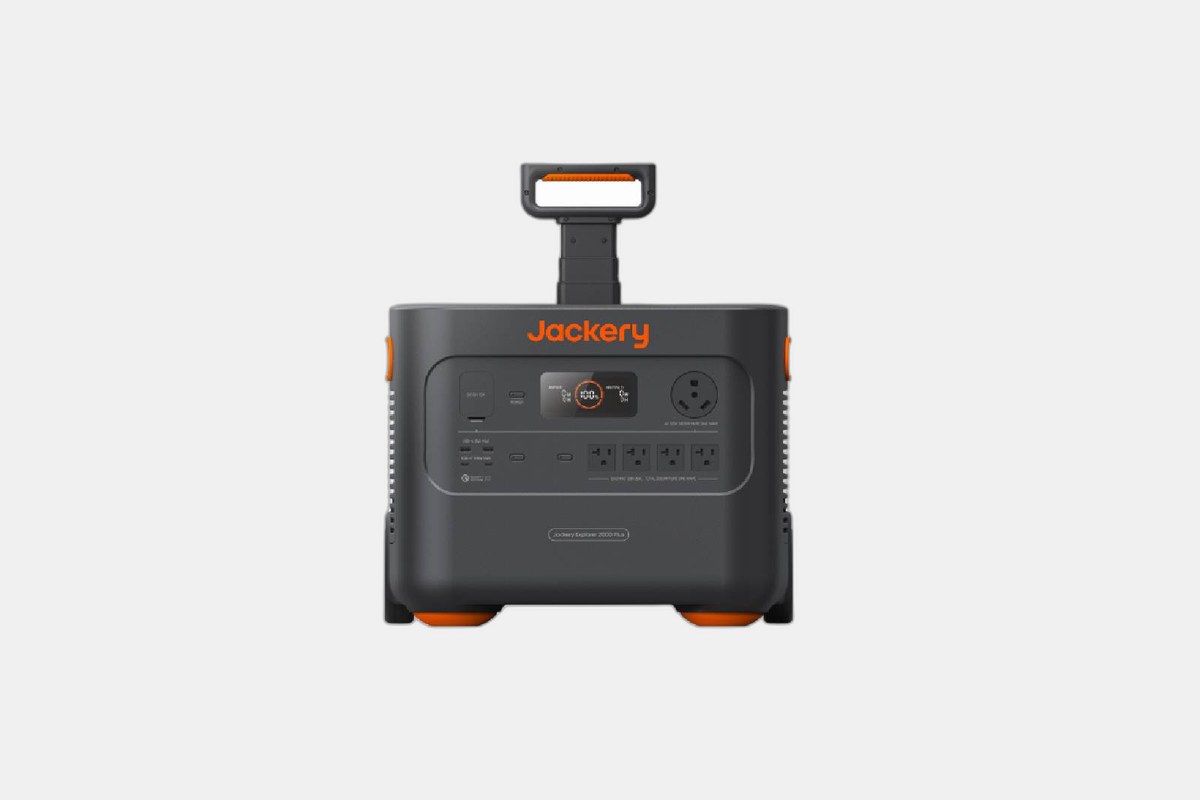
The Jackery Explorer 2000 Plus sells for around $1600. If you need a serious amount of power for a longer trip or for more demanding tools, this is a fantastic choice. The best part is that you can add extra battery packs to it if you need even more capacity later.
It charges up ridiculously fast from a wall outlet, and it’s just designed really well, with a clear screen and intuitive controls. I’ve used it to run a miter saw out in the yard, and it handled the power surge without a problem. It’s a very reliable and powerful unit.
The Downside: This thing is heavy. At around 74 pounds, it’s a two-person job to move it any real distance. It’s more of a “set it and forget it” kind of portable.

The Anker SOLIX C1000 Gen 2 is a great deal at $800. This is the one I recommend for people who want to get started with a solar setup without breaking the bank. Anker makes great stuff, and this unit gives you a lot of the performance of the bigger guys for a much lower price.
It plays nicely with a wide variety of solar panels, which is a huge plus. It’s got enough power to run smaller power tools, a portable grill, or all your electronics at the campsite. It’s a fantastic value for what you get.
The Downside: Its inverter isn’t quite as efficient as some of the more expensive models, meaning you might lose a little bit of power during use, but it’s not something I’ve ever really noticed.
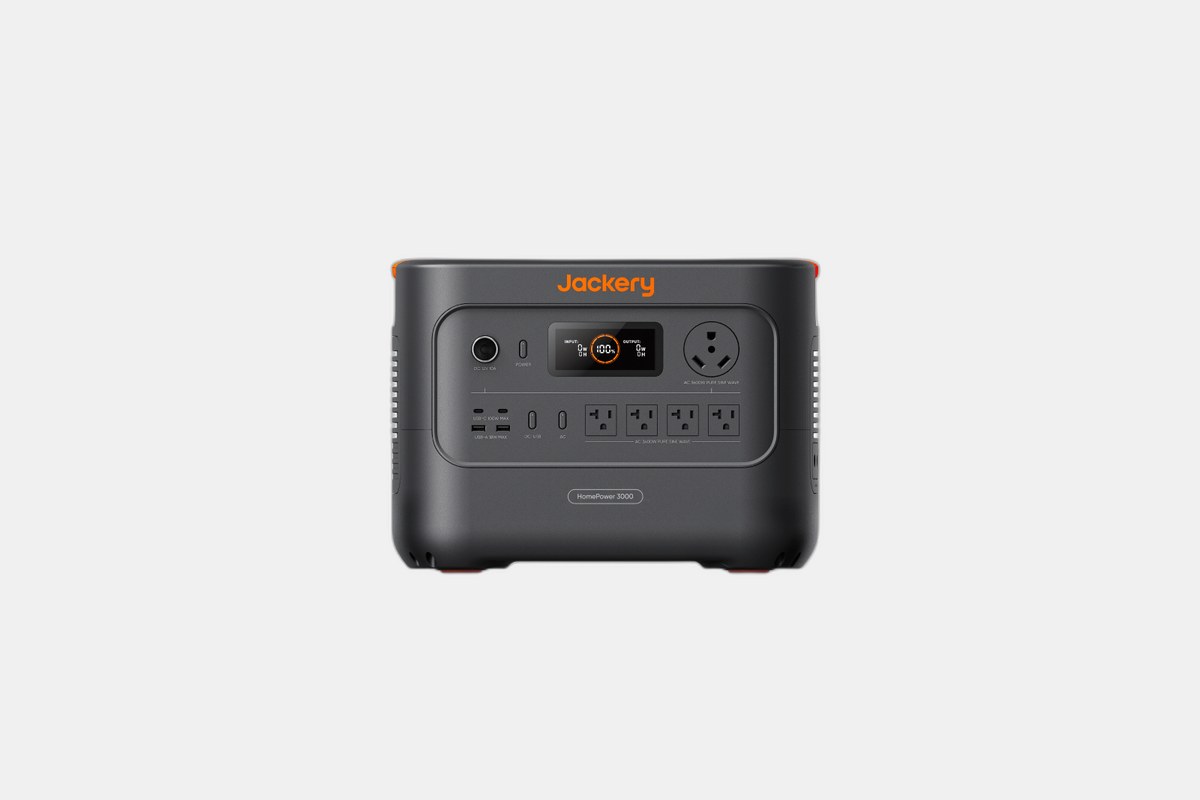
This big unit costs $2500. The Jackery HomePower 3000 is less of a “portable” generator and more of a serious home backup solution. If your main concern is being prepared for a multi-day outage, this is what you want sitting in your garage.
It has this cool feature called “ZeroDrain” that lets it hold a charge for a really long time, so you can just keep it plugged in and ready to go. Even though it has a huge capacity, it’s still more compact than you’d expect. It gives real peace of mind.
The Downside: It’s big and heavy. While it has wheels, you’re not taking this one camping. It’s designed to stay at home and do its job when you need it most.
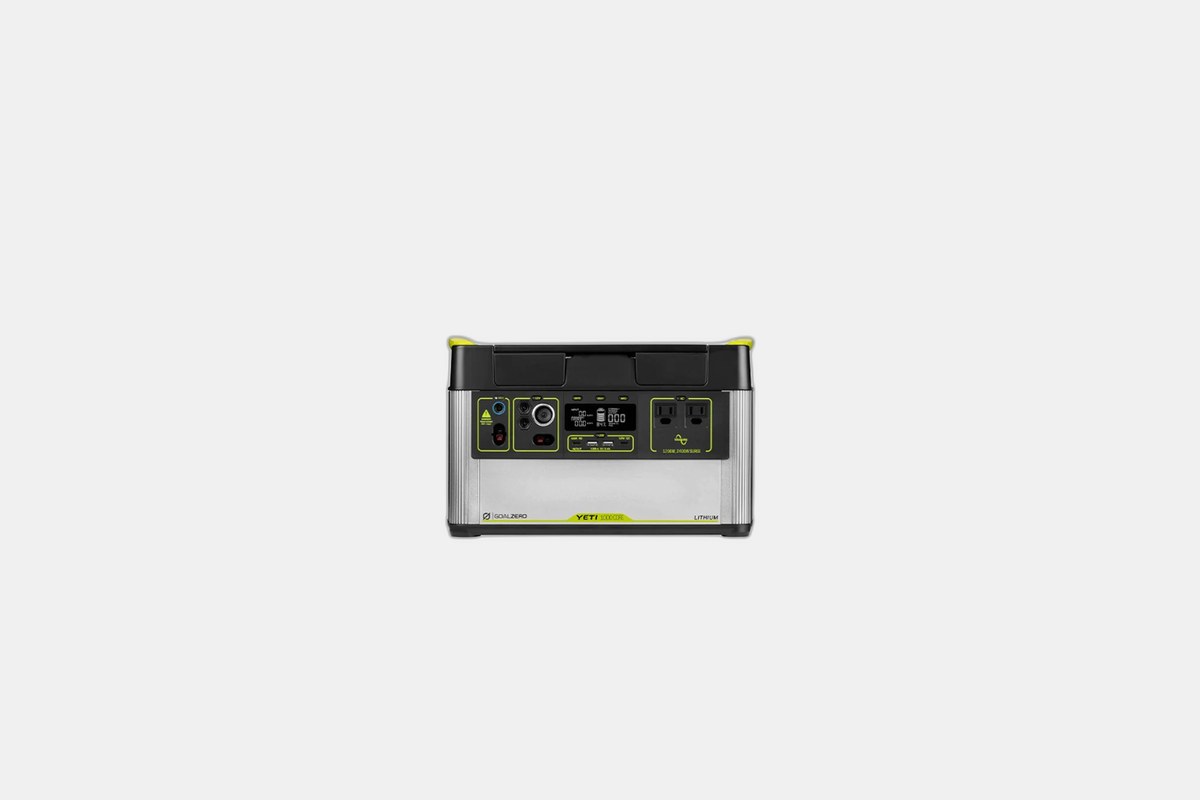
The Goal Zero Yeti 1000 Core is priced at $1200. Goal Zero has a great reputation, and this Yeti is perfect for van life or regular car camping. It’s the easiest one on this list to just grab and go.
It has plenty of capacity for a weekend of charging phones, laptops, and running some lights and a small cooler. I really like how solid it feels; you can tell it’s built to handle being knocked around a bit on the road. It’s just a super dependable and portable option.
The Downside: The solar charging input is a little slower than some of the newer models. It’ll still charge up fine, but it might take a bit longer on a cloudy day.
The first thing I always check is the battery capacity, measured in Watt-hours (Wh). That tells you how much power it can store. A 1000Wh unit is great for camping and small devices, but for running a fridge or power tools, you’ll want to look at 2000Wh or more.
Also, pay attention to the output wattage. That tells you what kind of appliances it can run at once. Make sure the generator’s continuous output rating is higher than the total wattage of whatever you plan to plug into it. And trust me, you want a model with a LiFePO4 battery. They last so much longer than the older lithium-ion types.
Finally, think about how you’ll move it. “Portable” means different things to different people. A 30-pound unit is easy to carry to a picnic spot, but a 70-pound beast is more of a “roll it out of the garage” kind of portable. Match the weight to how you actually plan to use it.
The 4 Best Deck Stains
The 10 Best Water Softeners
The 7 Best LED Strip Lights
The Best Window Insulation Kits to Keep Your Home Warm All Winter
Leave a Reply