The Best Over-the-Range Microwaves
The Best Over-the-Range Microwaves

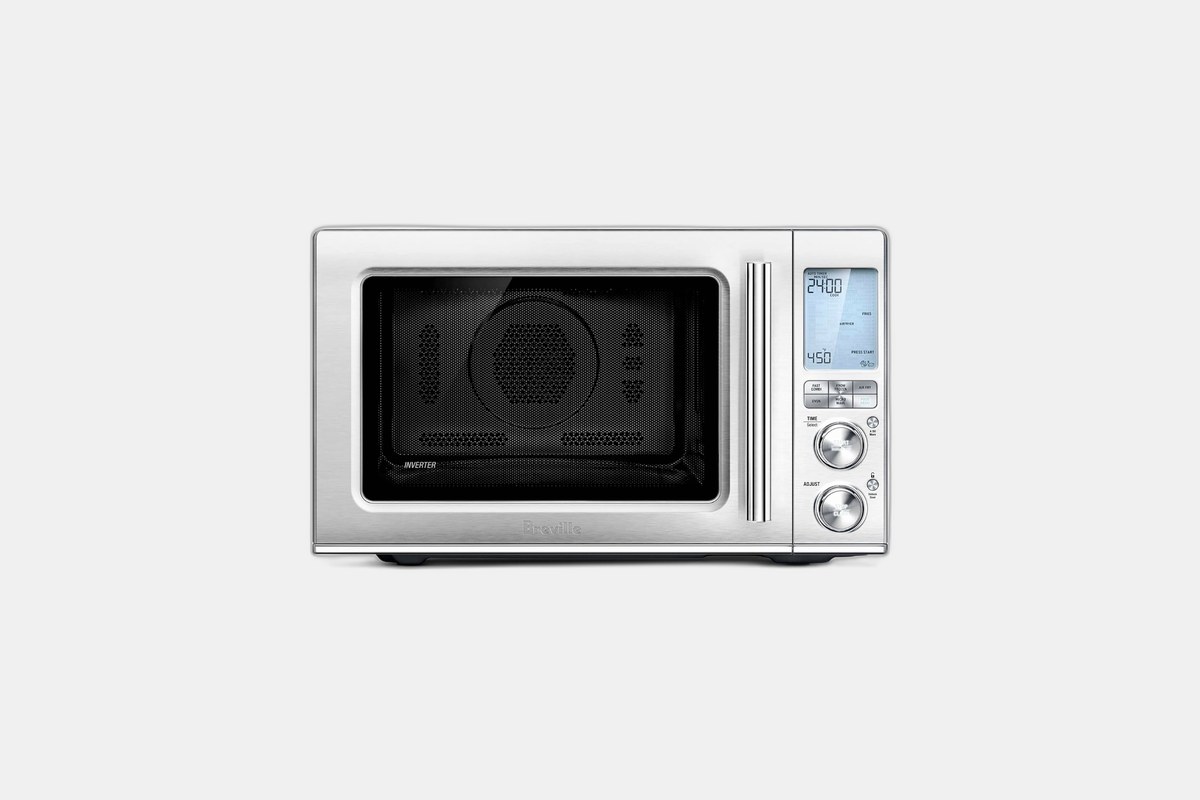
I don’t know about you, but a good microwave is one of the most-used appliances in my kitchen. From reheating my morning coffee (for the third time) to defrosting chicken for dinner in a pinch, I count on it every single day. But not all microwaves are created equal.
Some leave cold spots right in the middle of your food, while others turn leftovers into rubber. I’ve tested a bunch over the years, from basic models to ones that can practically cook a whole meal. After all my zapping and defrosting, I’ve put together my list of favorites.
This isn’t just a spec sheet. These are my real-world microwave reviews for 2026, based on how they actually perform in a busy kitchen like mine.
This big Panasonic costs about $430. It’s a powerhouse, and it’s huge.
If you have a large family, this is the one. We use it when everyone’s over for the holidays and we need to heat up multiple dishes at once. The 2.2 cu ft interior is massive, and its 1250 watts of power mean things get hot fast. The Cyclonic Wave technology really does work—I haven’t found any weird cold spots in my casseroles.
The sensor cooking is surprisingly smart. It nails defrosting without starting to cook the edges of the meat, which is a problem I’ve had with other microwaves. It just makes cooking for a crowd a lot less stressful.
The Downside: You are going to need some serious counter space for this thing. It’s not for small kitchens, so make sure you measure before buying.
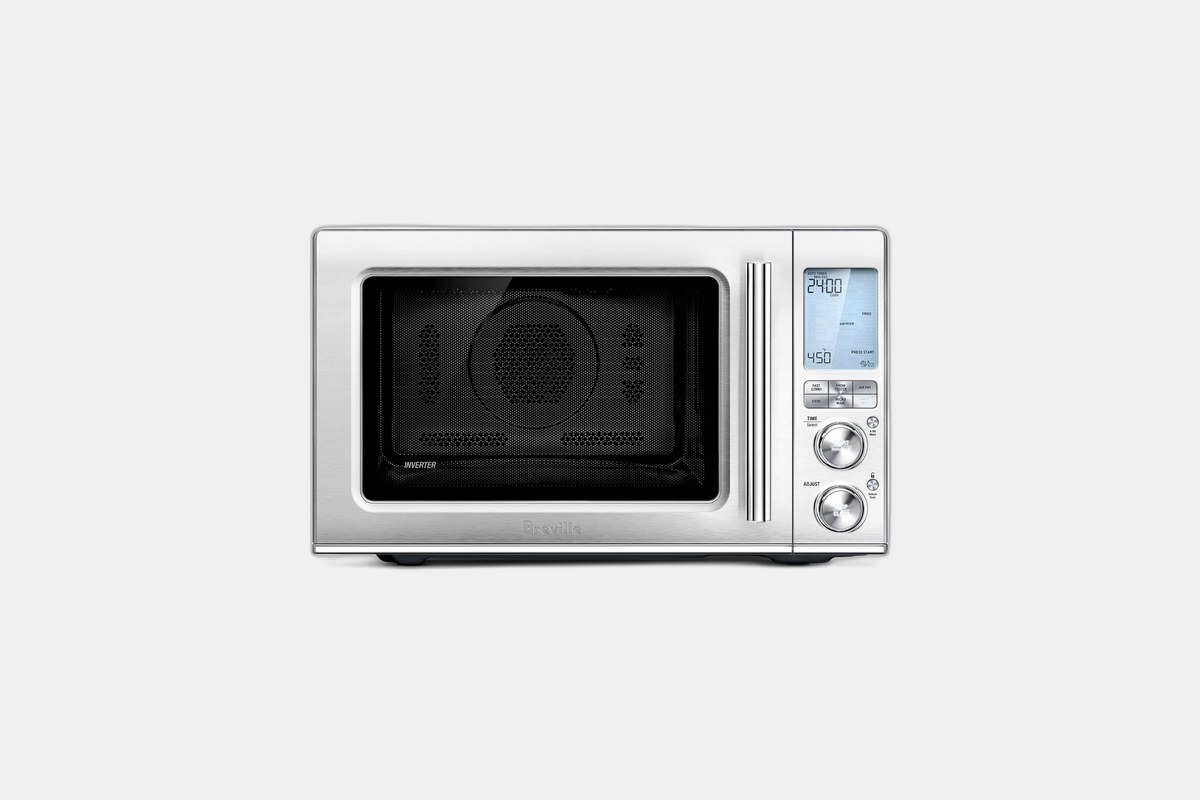
The Breville Smooth Wave is priced around $400. It’s known for being quiet and cooking things perfectly evenly.
What I love most about this one is how quiet it is. The soft-close door is a nice touch, too—no more slamming the microwave late at night. The smart presets are genuinely useful. It figures out the right time and power level on its own, so I don’t have to guess when I’m reheating a plate of pasta.
The inverter technology is great for preventing that classic microwave problem where the edges are lava-hot and the middle is still cold. Everything just comes out uniformly warm. It’s a quality machine that feels built to last.
The Downside: It’s not the fastest microwave out there. If you just want to blast something with heat as quickly as possible, a higher-wattage model might be better.
For about $140, this Toshiba is a fantastic value. It’s my top pick for anyone who just needs a solid, everyday microwave.
It does all the basic things really, really well. It makes a perfect bag of popcorn, reheats leftovers without drying them out, and heats up soup quickly. The sensor reheat function works by detecting steam, and it’s surprisingly accurate. It’s a reliable workhorse.
There are no confusing buttons or features you’ll never use. It’s just straightforward and effective. For the price, you really can’t beat its performance for day-to-day tasks.
The Downside: It’s a basic microwave. You don’t get any of the fancier functions like convection cooking or an air fryer setting.
The LG NeoChef runs about $330. Its main selling point is incredibly even heating and a sleek look.
This thing is a champ at defrosting. I can put a frozen block of ground beef in there and it comes out perfectly thawed, not half-cooked. The Smart Inverter maintains a consistent power level, which is why it heats so evenly. It’s also very quiet when it’s running.
The sensor cook feature takes the guesswork out of heating up common foods. It just works. Plus, the interior is really easy to wipe clean, which is a bigger deal than you’d think.
The Downside: Some long-term user surveys suggest its reliability is just so-so. It’s something to keep in mind, though I haven’t had any issues with mine yet.
This versatile GE microwave costs around $220. It’s perfect if you’re short on space but want more than just a microwave.
I got this for our guest apartment because it combines so many appliances in one. It’s a microwave, an air fryer, a convection oven, and a broiler. It’s great for making crispy fries or broiling a piece of fish without having to fire up the main oven.
It’s also surprisingly quiet and does a great job defrosting evenly. The preset buttons are easy to figure out, so our guests have no trouble using it to crisp up some wings or just reheat their coffee.
The Downside: The heating speed for regular microwaving is just average. It gets the job done, but it’s not the fastest I’ve used.

The Panasonic HomeChef is priced at $500. This is the appliance for someone who loves to cook and wants a machine that can do it all.
This is more than just a microwave; it’s a second oven. I’ve used the convection feature to bake small batches of cookies, and the broiler puts a perfect brown crust on mac and cheese. It comes with a bunch of accessories that help you get the most out of all its functions.
The sensor presets are very accurate, and it’s built like a tank. If you want maximum versatility on your countertop, this is a fantastic choice.
The Downside: While the air fry function works, it’s definitely slower than a dedicated, basket-style air fryer. It’s a trade-off for the convenience.
At about $110, this Commercial Chef model is a great pick if you’re on a tight budget.
Don’t let the low price fool you. This little microwave is a solid performer. It heats evenly, defrosts without issues, and it’s simple to use. It doesn’t have any fancy bells and whistles, but it nails the basics.
This is the perfect microwave for a dorm room, a workshop, or just if you don’t use a microwave often and don’t want to spend a lot. It does exactly what it’s supposed to do.
The Downside: It’s one of the slower models on my list. You might need to add an extra 30 seconds to get your food piping hot.
When I’m picking out a microwave, I really only focus on a few things. First is power, or wattage. Anything over 1000 watts is usually going to cook pretty fast. If you’re just reheating drinks or small meals, you can get by with less, but more power is generally better.
Size is the next big one, both inside and out. Make sure you measure your counter space! And think about what you put inside. If you have large casserole dishes, you’ll need a bigger interior capacity, probably over 1.5 cubic feet.
Finally, think about features. Do you really need an air fryer and convection oven built-in, or do you just need something to make popcorn? A simple, reliable model like the Toshiba is perfect for most people, but a multi-function unit like the Panasonic HomeChef can be great if you use all its features.
The Best Over-the-Range Microwaves
The 5 Best Flatware Sets
The 6 Best Stainless-Steel Cookware Sets
The 8 Best Glass Food Storage Containers
Leave a Reply