11 Sep 2025
The 6 Best Reclining Sofas
The 6 Best Reclining Sofas
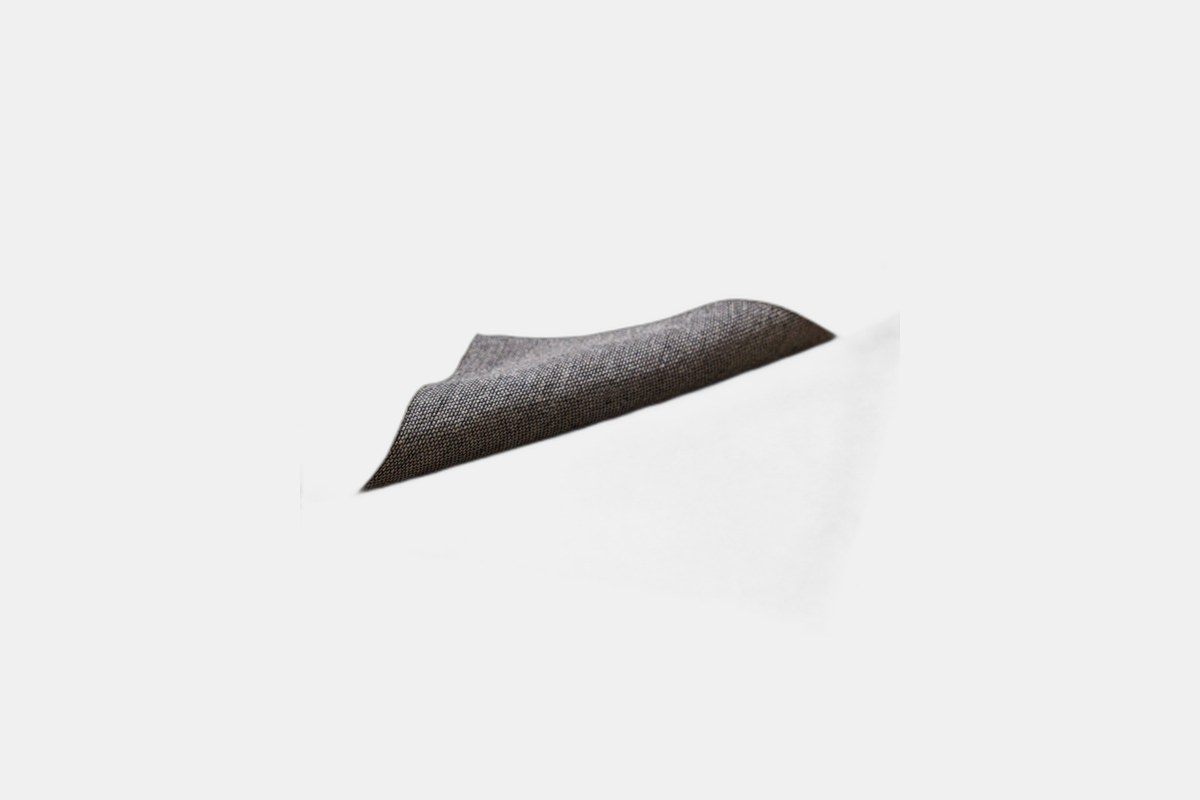
I learned the hard way that a good rug pad is just as important as the rug itself. After one too many slips in the hallway and noticing the finish on my hardwood floors looking a little dull under an old runner, I decided to stop cheaping out. A rug pad isn’t just about non-slip; it’s about protecting your floors and making your rugs last longer.
And honestly, it makes your rugs feel so much better. That extra bit of cushion under your feet makes a cheap rug feel more luxurious and a nice rug feel incredible. Over the past few years, I’ve tried a bunch of different pads in every room of the house, from the high-traffic entryway to the spill-prone kitchen.
These are the ones that have actually worked for me and are still holding up well in 2026. I’ve found the best options for different floors, budgets, and needs.
The Durahold Plus costs around $54 for a small 3×3 foot square, but it’s the real deal for high-traffic spots. I put this under the runner in our main hallway, and that rug has not budged an inch. Not one bit.
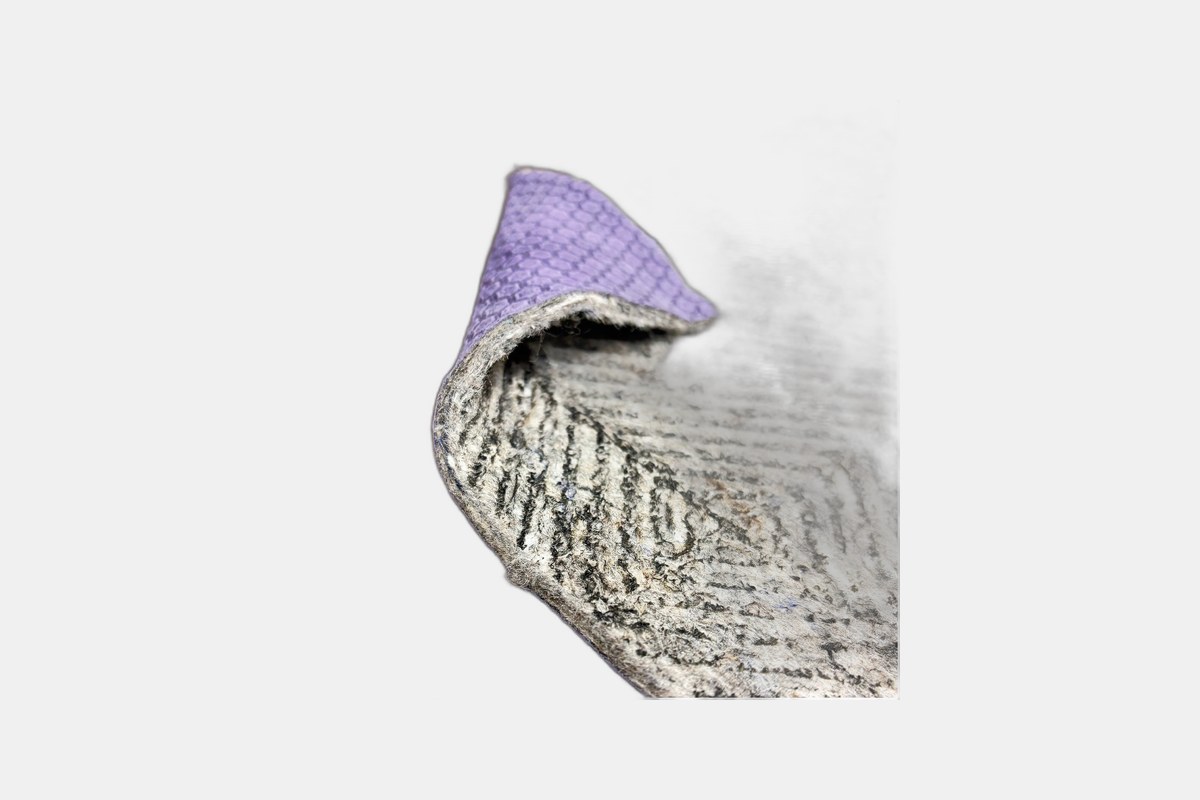
The magic is in the design. It has this unique hexagonal rubber pattern on the bottom that just glues itself to my hardwood floors without leaving any marks. The top is a textured felt that grips the rug itself. It’s also safe for my floors with radiant heat, which was a big plus.
The Downside: This thing is tough to cut. My regular kitchen scissors barely made a dent. I had to get out my utility knife and a straight edge to get it trimmed to the right size.
At about $45 for a 5×7 foot pad, the Mohawk Home is my go-to for just about any room where I don’t need Fort Knox-level grip. It’s a great all-arounder that adds a nice amount of cushion without costing a fortune.
I use this one under a low-pile rug in my office and a thicker shag rug in the guest room, and it works great for both. It’s made from recycled felt, so it feels good to walk on, and it does a solid job keeping the rugs from migrating across the floor.
The Downside: Some people say it comes in a little thinner than the advertised 1/4 inch. Mine felt pretty close, but it’s definitely more about cushion than being a super-thin, grippy pad.
This one’s a bit of an investment, starting around $80, but the quality is there. I got this for the oddly shaped vintage rug in our den because they offer so many sizes and thickness options. I went with the 3/8-inch thickness, and it adds some serious comfort.
The grip is fantastic, thanks to a checkered rubber bottom that holds onto our tile floor. I also feel like it’s doing a great job protecting the rug itself, keeping the fibers from getting crushed against the hard floor. It’s a solid choice for protecting a rug you really care about.
The Downside: I noticed that really smooth, silky rugs can sometimes shift a little on the felt top. It’s not a big slide, but I have to readjust it every few weeks.
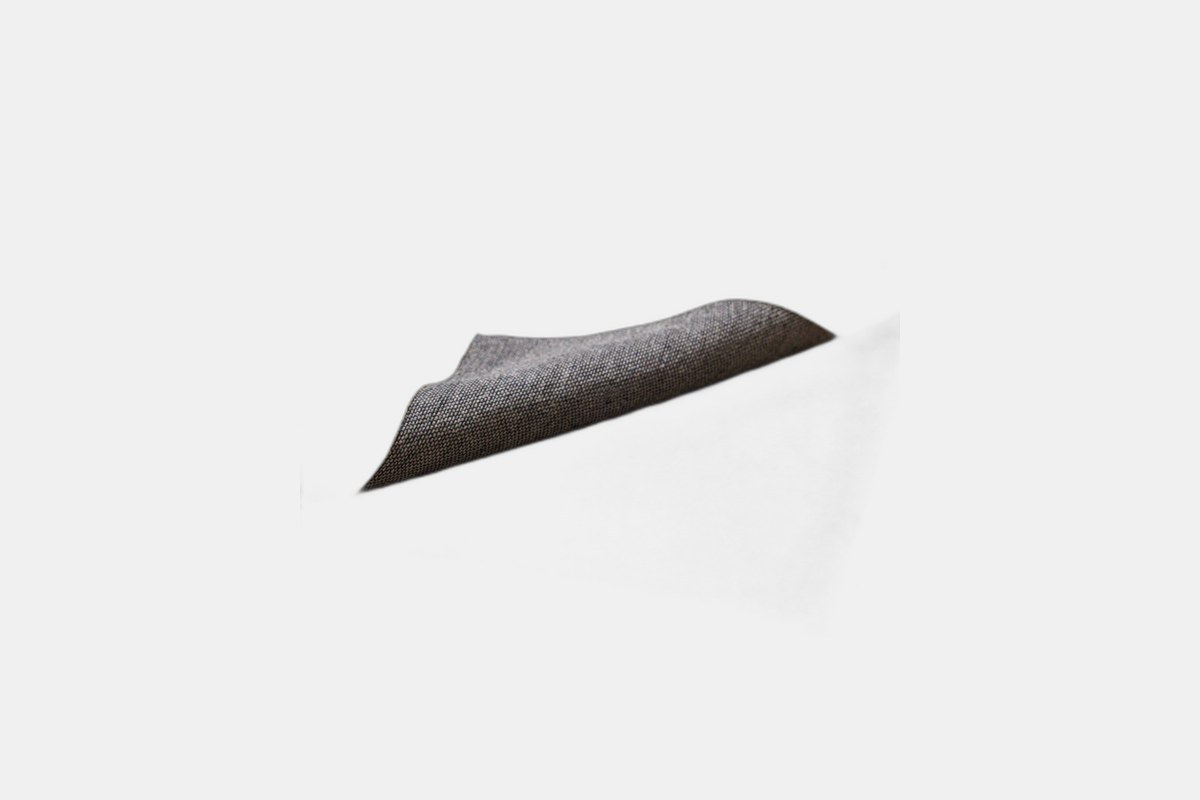
For around $25, the Gorilla Grip pad is a lifesaver in our kids’ playroom. It has a dense felt core with a rubber backing that stops our 8×10 rug from becoming a magic carpet every time the kids and the dog start chasing each other.
It adds a nice layer of cushion, which makes floor time more comfortable and quiets down the sound of stomping feet. And unlike some of the tougher pads, this one was super easy to trim to size with a decent pair of scissors.
The Downside: On our very smooth, high-gloss polyurethane floors, the grip is good, but not quite as locked-down as the Durahold. It works best with rugs that have a bit of texture on the back.
I’m trying to be more careful about the products I bring into our home, especially the bedroom. This pad from RUGPADUSA costs about $50 and is made from natural jute and rubber. There was absolutely no chemical smell when I unrolled it.
It’s breathable, hypoallergenic, and does a surprisingly good job of gripping the floor. It’s not super cushiony, but it provides enough padding and keeps the rug perfectly in place. It just feels like a healthier option, you know?
The Downside: This is for hard floors only. You can’t use it on top of wall-to-wall carpet, and they don’t recommend it for porous floors like unsealed concrete or certain stone tiles.
At about $35 for a 4×6 foot pad, this one is a must-have under our dining room rug. It has a moisture barrier that has saved our oak floors from spilled drinks more than once. The liquid just pools on top of the pad instead of soaking through.
It’s also incredibly plush. It’s made from a thick visco-elastic foam that feels amazing underfoot. It adds a real sense of luxury and completely transformed the feel of our thin dining room rug.
The Downside: It’s not very grippy on its own. It really relies on the weight of a heavy rug or furniture (like our dining table) to hold it in place. I wouldn’t use this for a lightweight runner in a hallway.
Honestly, it just boils down to two things: what kind of floor you have and what you need the pad to do. If you have hardwood or vinyl, you need something with a natural rubber backing, not plastic, which can mess up the finish over time.
Then, decide if you need grip, cushion, or both. For a thin runner in a hallway, you just need grip to prevent slips. For a big rug in the living room where you sit on the floor, you’ll want some cushion to make it more comfortable.
Don’t just grab the cheapest waffle-looking pad you can find. I’ve had those disintegrate into a dusty mess and even stick to my floors. Spending a little more on a quality felt and rubber pad has been worth it every single time.
The 6 Best Reclining Sofas
The Best Curtains for Your Home
The 5 Best Rug Pads
The 8 Best Sleeper Sofas
Leave a Reply