The 6 Best Pole Saws
The 6 Best Pole Saws

A good miter saw is the heart of a workshop. I’ve built decks, trimmed out entire basements, and put together countless smaller projects with one. It’s the tool that takes your woodworking from looking “homemade” to looking crisp and professional.
But choosing the right one can be tough. There are so many models, and the prices are all over the place. You’ve got corded, cordless, sliding, and non-sliding saws to sort through.
So, I’ve pulled together the saws that I’ve personally used or would recommend to a friend in 2026. These are the ones that deliver on their promises, whether you’re a weekend warrior or a pro on a job site.
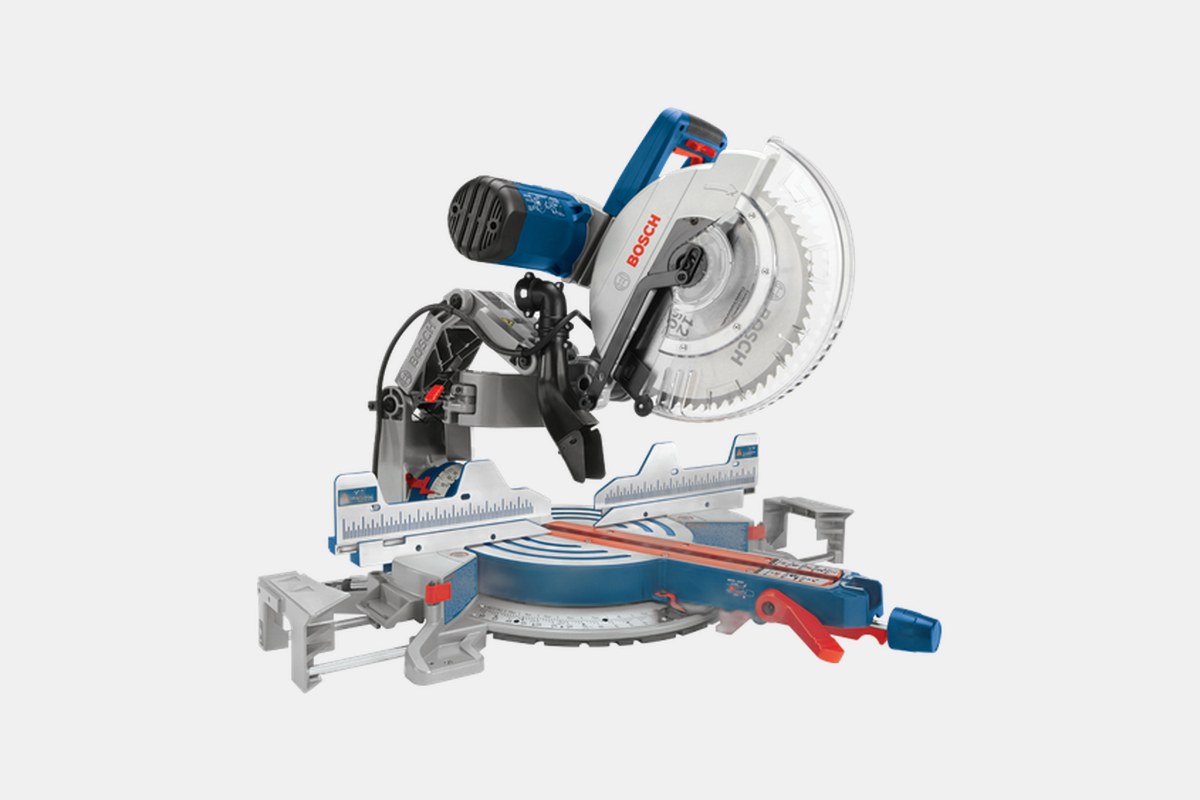
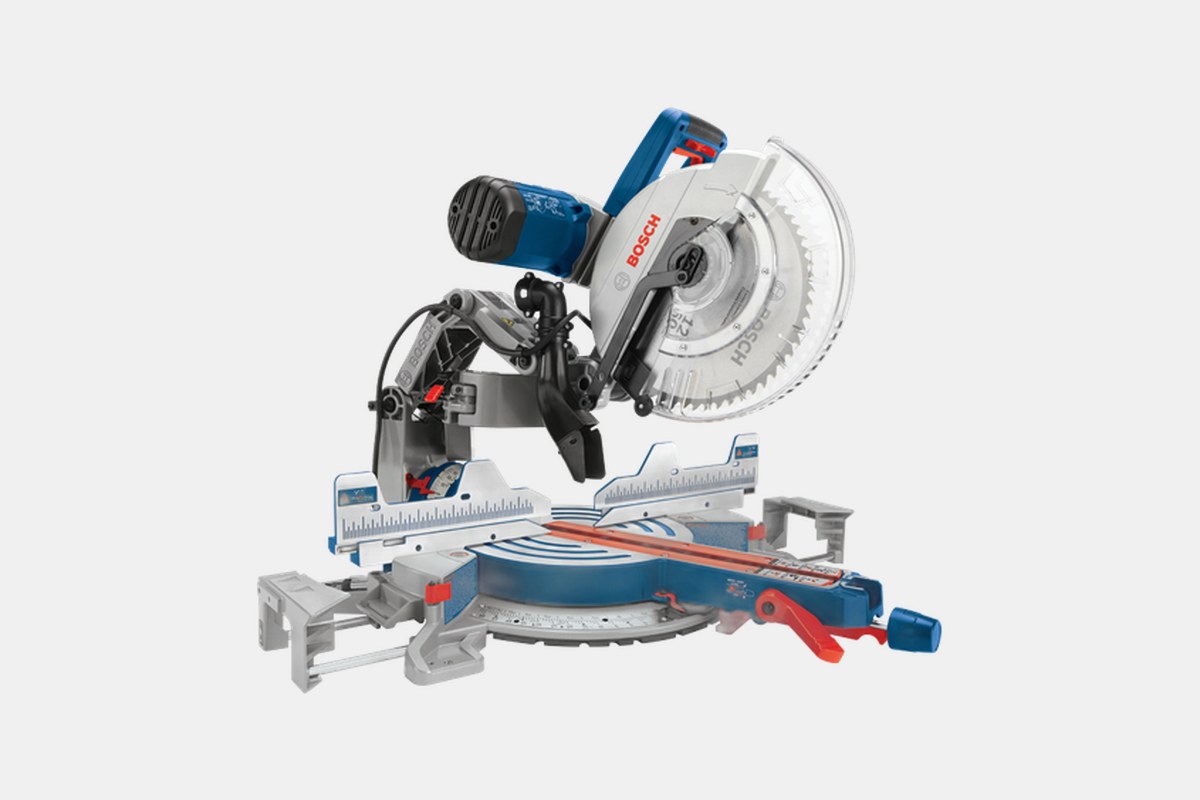
This saw will set you back about $729. The first thing you’ll notice is the crazy-looking arm instead of traditional rails. Bosch calls it their Axial-Glide system, and it’s incredibly smooth.
The best part about that arm is that you can push this saw right up against a wall. My garage workshop is tight on space, so not needing a foot of clearance behind the saw is a huge plus. It’s also dead-on accurate, which is what you need for tricky cuts like crown molding.
The Downside: This thing is a tank. At 65 pounds, it’s not a saw you want to be moving around a lot. It’s best if you can give it a permanent home on a miter stand or workbench.
For around $399, this DeWalt is probably the best value out there for a powerful 12-inch sliding saw. This is the saw I see most often on construction sites, and for good reason. It’s a total workhorse.
It has all the power you need to slice through 2x14s without even hesitating. The tall fences are great for supporting bigger pieces of trim and crown molding. It just feels sturdy and reliable every time you use it.
The Downside: It doesn’t have an LED or laser cutline. You have to lower the blade to your mark to line up the cut, which is fine, but it’s a feature I miss after using saws that have one.
At $649, this is the upgraded version of the saw above. The big difference is the XPS shadow line. It casts a shadow of the blade right on your wood, so you see exactly where you’re cutting. It’s way better than a laser because it never needs adjusting.
This saw is for people who need perfect cuts every single time. It has the same raw power and capacity as the DWS779, but with that added precision from the shadow line. If your work depends on accuracy, the extra cost is worth it.
The Downside: Like its little brother, it’s big and heavy. This isn’t the most portable option, so plan on getting a rolling stand if you need to move it around.
You can get this saw for about $349, which is a fantastic deal for a cordless slider. I love being able to take this out in the yard to make a few cuts without dragging an extension cord across the lawn. It makes small jobs so much faster.
If you already own Ryobi 18V batteries, this is an easy choice. It’s surprisingly powerful for a battery-operated tool and is light enough to carry with one hand. It’s perfect for the average homeowner doing weekend projects.
The Downside: You’re limited by battery life. If you’re planning to build a whole deck, you’ll be swapping batteries constantly. It’s best for punch lists and smaller projects, not all-day cutting sessions.
This Makita costs about $724. Like the Bosch, it’s designed for tight workspaces. It uses a unique two-rail system that lets you place it right against a wall, saving a ton of bench space.
Everything about this saw feels polished and smooth. The bevel adjustment is easy to use, the detents click into place solidly, and the cuts are perfectly clean. It’s just a really well-engineered tool that’s a pleasure to work with for finish carpentry.
The Downside: It’s a 10-inch saw, which means it can’t cut boards as wide or as thick as the 12-inch models. For most trim and even 2x6s it’s fine, but for larger lumber, you might wish you had the bigger blade.
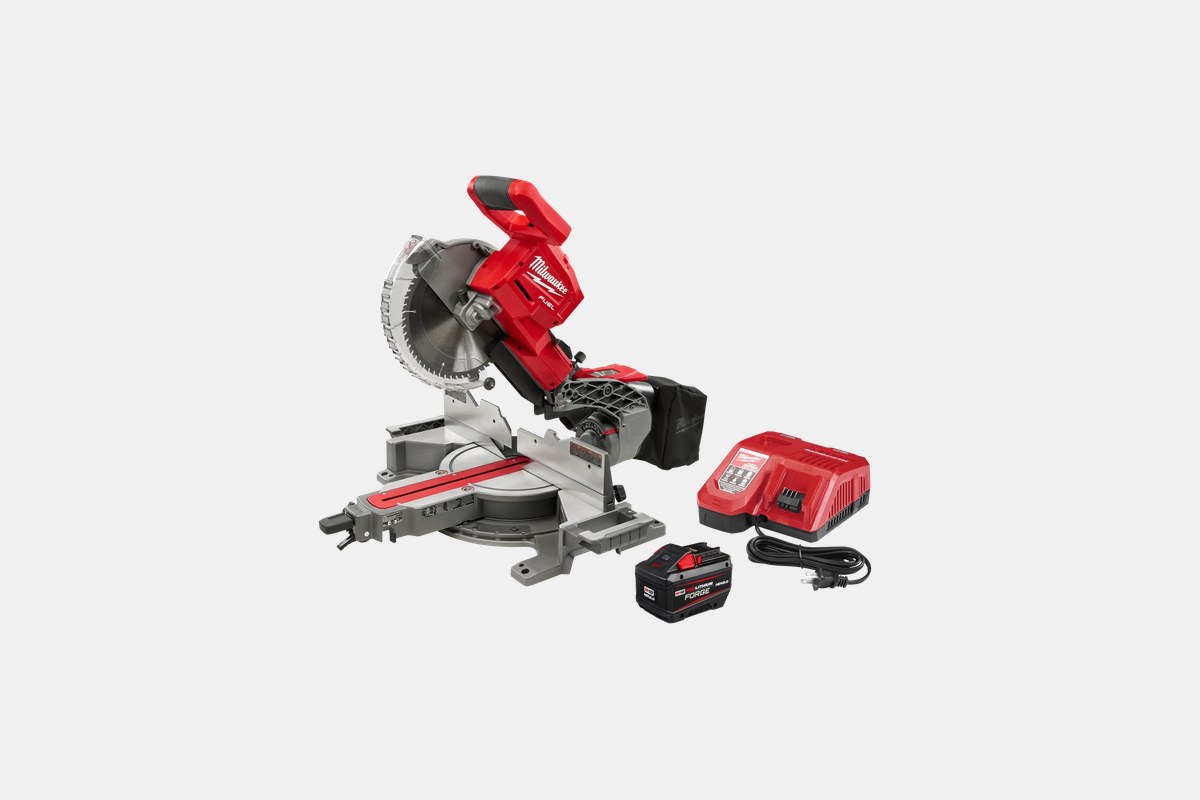
Expect to pay around $600 for this cordless beast. The power this thing has is incredible; it honestly feels just like a corded saw. It doesn’t bog down, even in hardwood.
Milwaukee claims you can get up to 400 cuts per charge, and while that depends on the material, I can tell you the battery lasts a very long time. It has a shadow cut line for accuracy and enough capacity for almost any job. This is the saw for pros who want to ditch the cord without losing any power.
The Downside: The kit can be expensive, and if you buy the bare tool, you need to have a big M18 battery already. Those high-output batteries aren’t cheap.
Picking the right saw really comes down to how you’re going to use it. A few years ago, I started with a basic saw and quickly realized I needed more capacity for the projects I was tackling.
Think about blade size first. A 12-inch saw can cut wider and thicker boards than a 10-inch saw. But 10-inch blades are a little cheaper to replace. For most DIY stuff, a 10-inch is plenty, but I like the extra capacity of my 12-inch for things like deck boards and framing.
Also, decide if you need a sliding saw. A non-sliding saw can only cut boards a few inches wide. A sliding compound miter saw lets the blade move forward and backward, so you can cut much wider material. For anything beyond simple picture frames, I think a slider is the way to go.
The 6 Best Pole Saws
The 8 Best Chainsaws Will Make Heavy-Duty Yard Work a Breeze
The 7 Best Air Compressors for Home, Car, and Garage Use
The 6 Best Pole Saws's Best Pole Saws

Leave a Reply