The 4 Best Deck Stains
The 4 Best Deck Stains

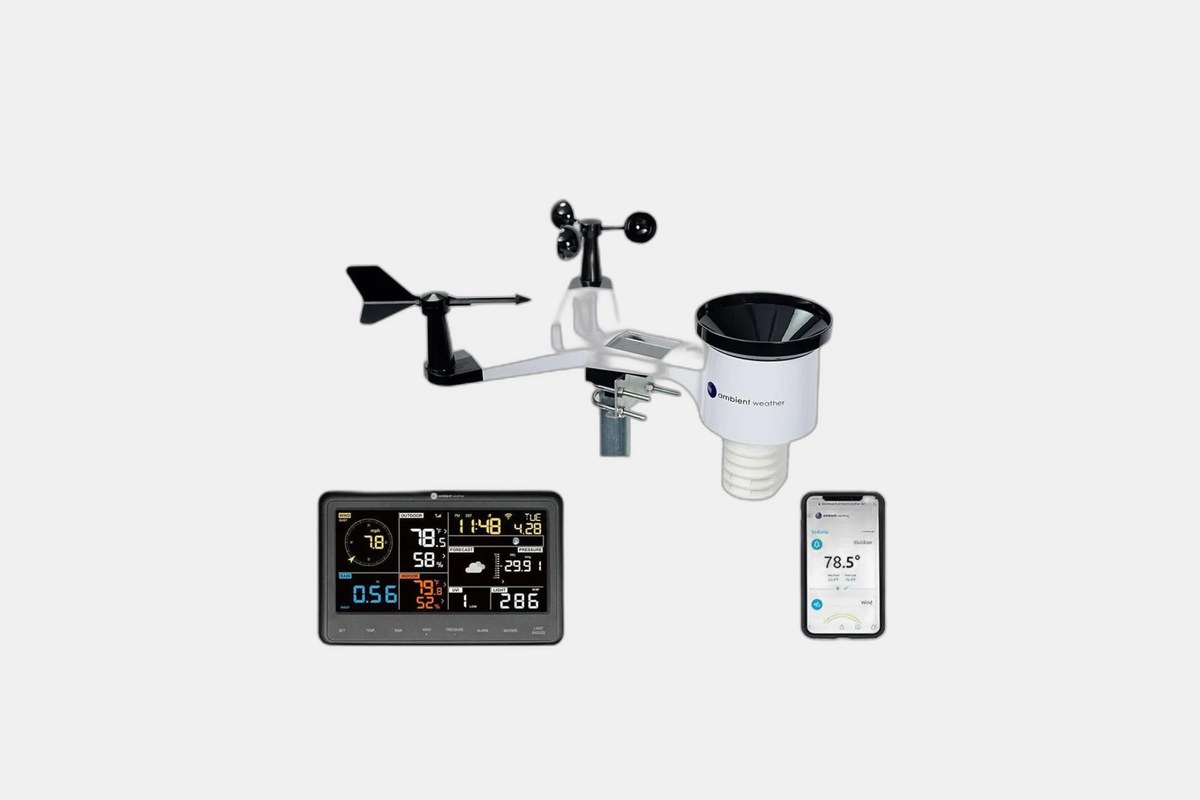
I’ve been a weather nerd for years, mostly because my garden’s success kind of depends on it. Relying on the TV forecast is one thing, but they’re talking about the weather at the airport ten miles away. I want to know what’s happening right here in my own backyard, especially when a surprise frost is on the line.
Having my own home weather station changed everything. I know exactly how much rain my tomatoes got, what the real wind chill is before I head out for a run, and when the barometric pressure is dropping. It’s not just for serious hobbyists anymore. These things are easy to set up and give you data on your phone that’s way more accurate than any app guessing about your neighborhood.
So, after using a few different models over the years and seeing what my neighbors have, I’ve got a good handle on what works and what doesn’t. Here are my top picks for the best home weather stations in 2026, from the super-detailed to the simple and affordable.
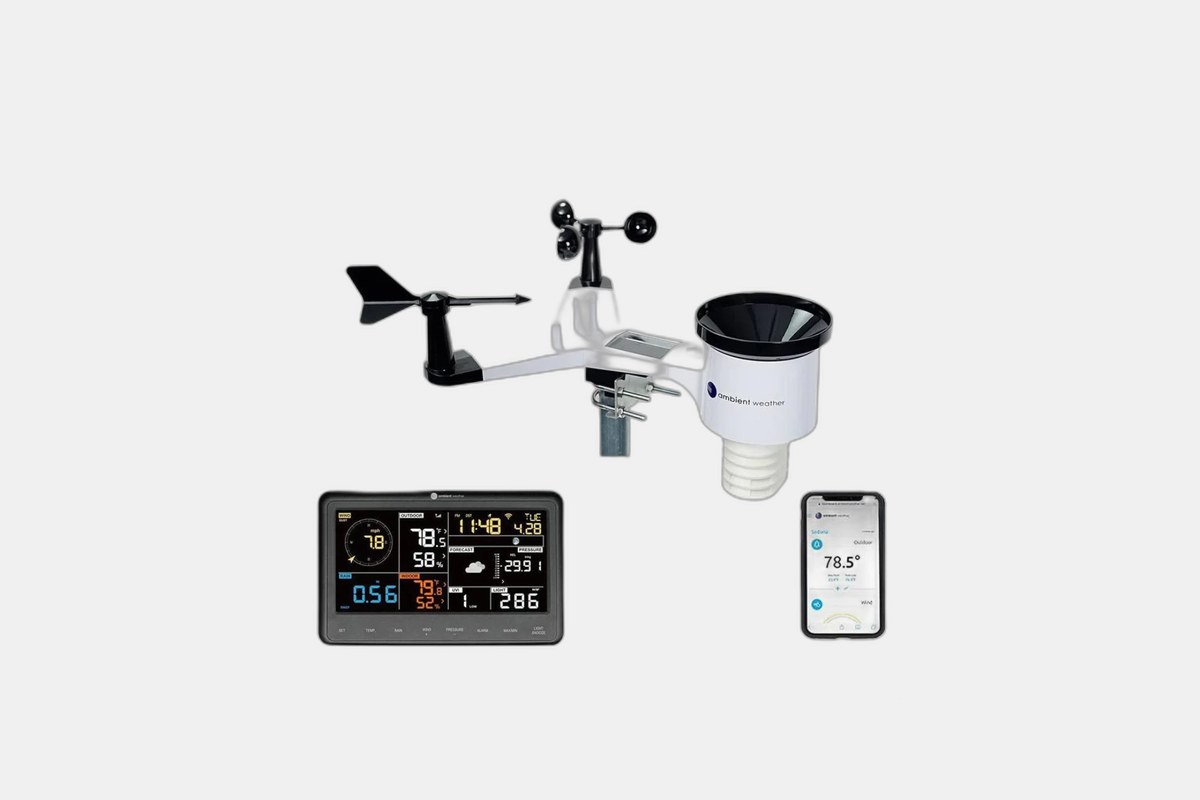
The Ambient Weather WS-2902C is my top pick, and it’ll set you back about $199.99. This is the one I recommend to friends when they ask where to start. It just balances features, accuracy, and price perfectly. I’ve had mine running for two seasons and it’s been rock solid.
What I love is how accurate it is. I’ve checked its readings against the official weather service nearby, and it’s always spot on. The outdoor sensor array has a small solar panel to keep the batteries topped off, and since it connects to my Wi-Fi, I can check the conditions from my phone anywhere. The indoor display is clear and easy to read from across the kitchen.
The Downside: It doesn’t come with the backup AA batteries for the outdoor sensor, so you’ll have to buy those separately. It’s a small annoyance but worth remembering when you order.

At $349, the WeatherFlow Tempest is definitely a splurge, but it’s for the person who loves cool tech. The first thing you notice is that there are no moving parts. No spinning cups for wind, no tipping bucket for rain. It’s all solid-state, which is just wild.
It’s solar-powered and uses a haptic sensor to measure rainfall, which sounds like science fiction but actually works. The app is fantastic, and the setup was probably the easiest of any I’ve tried. Plus, it has lightning detection, which is a great feature if you live in an area with a lot of thunderstorms. It feels like a piece of the future sitting on a pole in my yard.
The Downside: Some tests I’ve read show that in really high winds, the haptic rain sensor can get a little confused and misread the rainfall amount. It hasn’t been a huge issue for me, but it’s something to know.
The La Crosse station is a great option for around $200, especially if you want something that plays nice with your other smart home stuff. The indoor display is big, colorful, and packs a ton of information without feeling cluttered.
The Wi-Fi setup was quick, and the app is really solid. I like getting alerts on my phone for high winds or when the temperature drops below freezing. It’s a reliable unit that gives you the core data you need, and it’s great for building daily routines around the actual weather at your house, not across town.
The Downside: The plastic housing on the outdoor sensor feels a little on the flimsy side compared to some of the others. It’s held up fine, but I do wonder about its long-term durability in harsh sun or hail.

For about $150, the AcuRite Iris is a ton of weather station for the money. This is a very popular model, and for good reason. It measures all the key things you’d want: temperature, humidity, wind speed, wind direction, and rainfall.
The display is huge and easy to read at a glance. AcuRite has been in this game for a long time, and their stuff is generally known for being accurate. This model also has a solar panel to extend the battery life of the outdoor unit, which is a nice touch that saves you from climbing a ladder as often.
The Downside: When I helped my neighbor install his, we found the mounting holes were a bit too small for standard screws. We had to drill them out slightly to get it mounted securely on the post. Not a huge deal, but a bit of a pain.
The Sainlogic station is a bargain at around $130. This is the one to get if you don’t care about Wi-Fi or phone apps but want a fantastic, data-rich display sitting on your counter. The screen is big, bright, and updates very frequently.
It’s surprisingly well-built for the price, and the wireless connection between the outdoor sensor and the indoor display is strong. They claim up to 250 feet, and it had no trouble reaching from the back of my yard into my kitchen. It tracks all the standard metrics, including barometric pressure, and even has a little solar panel on the sensor array.
The Downside: The biggest drawback is the lack of Wi-Fi. You can’t check the weather when you’re away from home, and you can’t connect it to online services like Weather Underground. For some, that’s a dealbreaker.
If you’re on a tight budget, the Newentor Q3 is a fantastic choice for just $50. It doesn’t measure wind or rain, but it does temperature and humidity perfectly. I use one of these for my greenhouse and another for our guest bathroom just to monitor conditions.
Setup is as simple as putting in batteries. The big color display is easy to read, and it connects to up to three remote sensors, so you can monitor different locations around your property. The atomic clock feature is also nice, so you never have to set the time.
The Downside: The outdoor sensor is not weatherproof. It can’t be in direct rain or sun, so you have to mount it under an eave, a porch, or some other kind of cover. This really limits where you can place it for an accurate reading.
For me, the most important thing is accuracy. What’s the point of having a station if the data is wrong? All the ones on this list have proven to be reliable in my own use or in other tests I’ve read. After that, it’s about how you want to get your data.
Do you want to check an app on your phone from anywhere? Then you need a station with Wi-Fi connectivity. If you just want a display on your desk and don’t care about remote access, you can save some money with a non-Wi-Fi model like the Sainlogic.
Finally, think about placement. The outdoor sensor array needs to be in an open area away from buildings and trees to get accurate wind and rain readings. Make sure you have a good spot to mount it, whether it’s on a pole, a deck railing, or your roof. The right station really depends on your yard and your budget.
The 4 Best Deck Stains
The 10 Best Water Softeners
The 7 Best LED Strip Lights
The Best Window Insulation Kits to Keep Your Home Warm All Winter
Leave a Reply