The 10 Best Lawn Edgers
The 10 Best Lawn Edgers

Putting up a few backyard birdhouses was one of the first things I did when we moved into our house. It’s such a simple way to bring more life and color to the yard. And honestly, it’s just fun watching the birds check out a new spot, build a nest, and raise their little families.
Over the years, I’ve tried a bunch of different styles. Some were duds that fell apart after one winter, while others became instant hot spots for wrens and chickadees. What I’ve learned is that the best birdhouses aren’t always the fanciest; they’re the ones designed with the birds’ safety and comfort in mind.
So, I’ve put together a list of the ones that have worked for me or that get consistently great feedback from other gardeners. These are solid, well-made options that will actually attract birds to your yard in 2026.
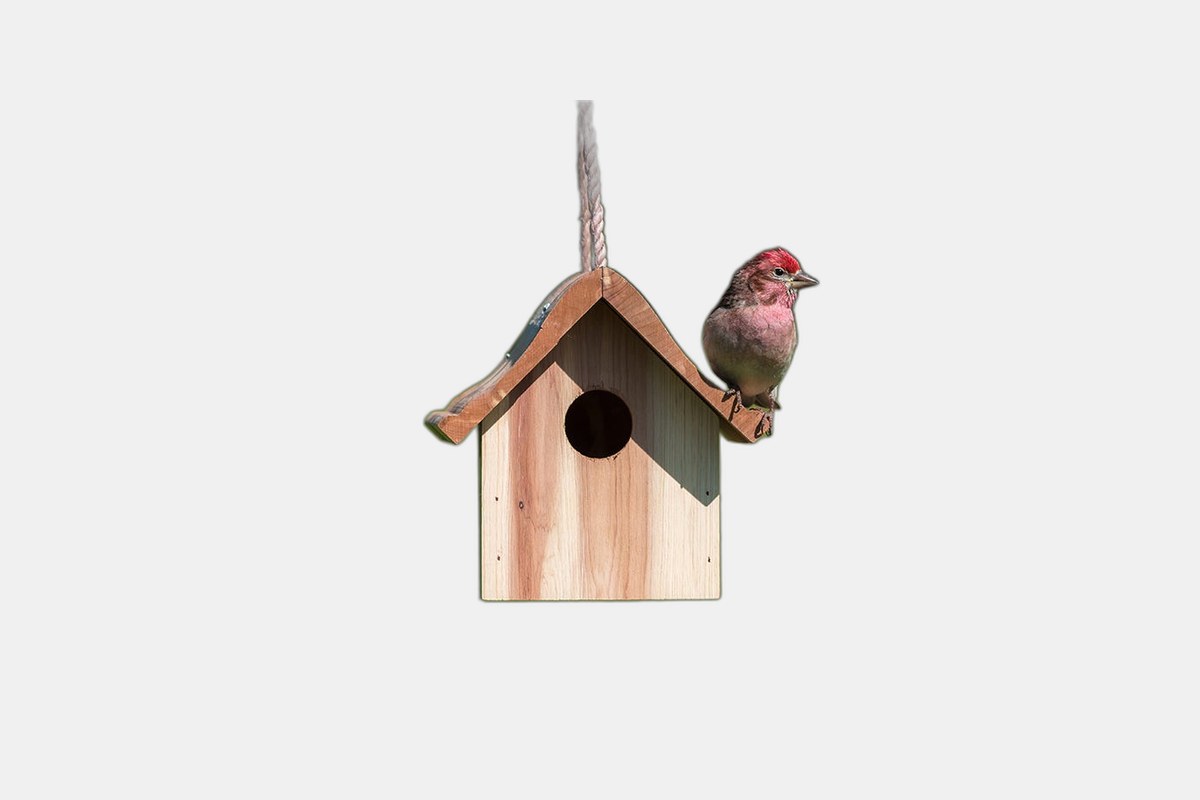
This little cedar house is a classic for a reason, and it costs about $25. I have two of them hanging from tree branches in my side yard, and the wrens absolutely love them. They move in every single spring without fail.
The cedar smells great and holds up really well against the rain and sun we get here. The best part is the small entrance hole. It’s just big enough for tiny birds like wrens and chickadees, which keeps bigger, more aggressive birds like house sparrows from taking over.
The Downside: As the name says, it’s a wren house. Don’t expect bluebirds or cardinals to show any interest in this one.
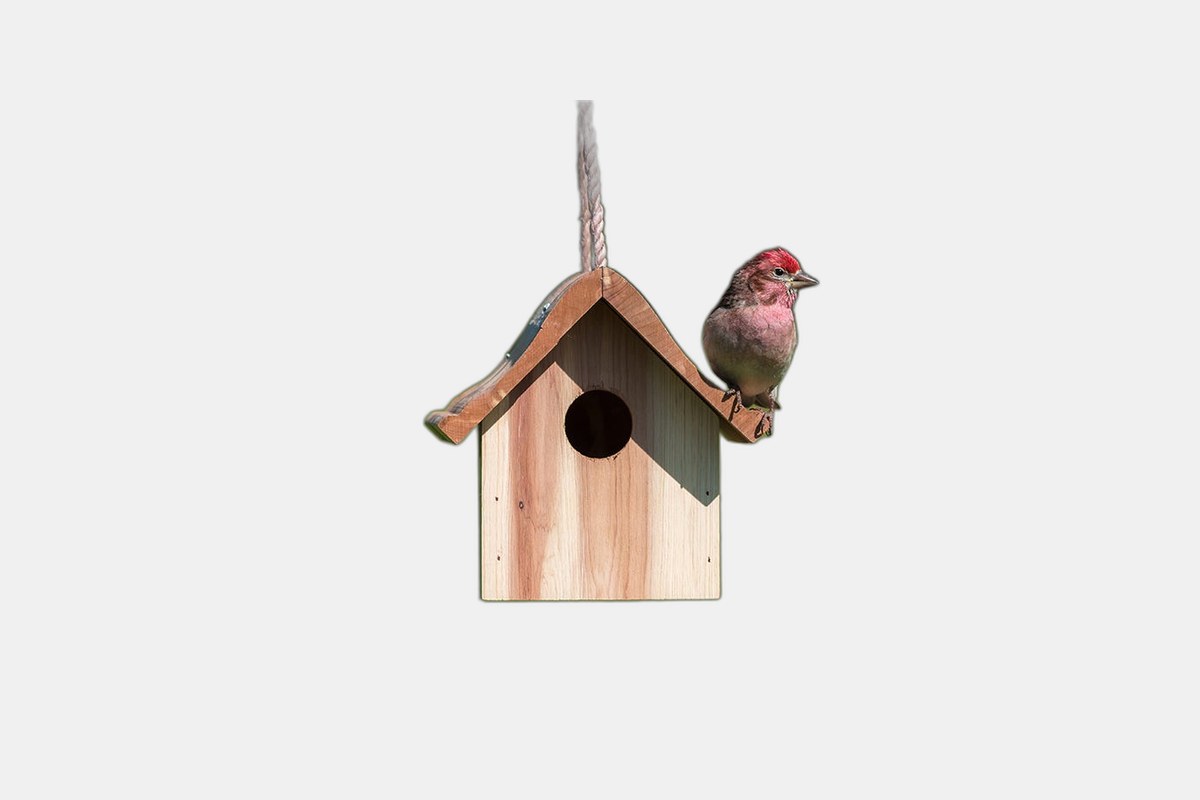
For just $17, this is a perfect starter birdhouse. It’s nothing fancy, but it absolutely gets the job done. I bought one for my parents’ yard to see if they could attract any birds, and a wren family moved in within a month.
It’s super lightweight and simple to hang up right out of the box. If you’re new to backyard birding and don’t want to spend a lot of money, this is a great way to test the waters. It’s proof that you don’t need an expensive house to make birds happy.
The Downside: It’s pretty small, so you’re really only going to attract wrens with this model.
At around $41, this one is as much a piece of garden decor as it is a functional birdhouse. I put this one near my flower beds, and it just blends in beautifully. The rustic wood and metal roof look great all year, even when it’s not occupied.
But it’s not just for looks. A pair of finches checked it out last season, and the build feels really solid. It’s a great option if you want something that adds a little charm to the garden while still giving birds a safe place to nest.
The Downside: Since it’s a hanging style, it can swing around quite a bit on really windy days, which might deter some birds.
If you’re trying to attract bluebirds, you need a house built just for them. This one from Woodlink costs about $36 and has all the right features. We have a larger, more open yard, which is exactly the kind of space bluebirds look for.
The entrance hole is the perfect size, and it has a predator guard to keep the eggs and chicks safe. I also really like that the side panel opens up, making it incredibly easy to clean out at the end of the season. It’s just a solid, no-frills design that works.
The Downside: This house is specifically for bluebirds, so other common backyard birds won’t be able to use it.
This one is a bit more expensive at $50, but it’s built to last forever. I was intrigued because it’s made from recycled plastic jugs. It feels incredibly sturdy, and I know it’s never going to rot, split, or get damaged by insects like some wood houses can.
It’s a great choice for chickadees and nuthatches. If you live in a really wet or humid climate, this is a fantastic low-maintenance option. You just set it up and forget about it.
The Downside: The only thing I’d be cautious about is placing it in full, direct sun all day, as the plastic might get a little too warm inside.
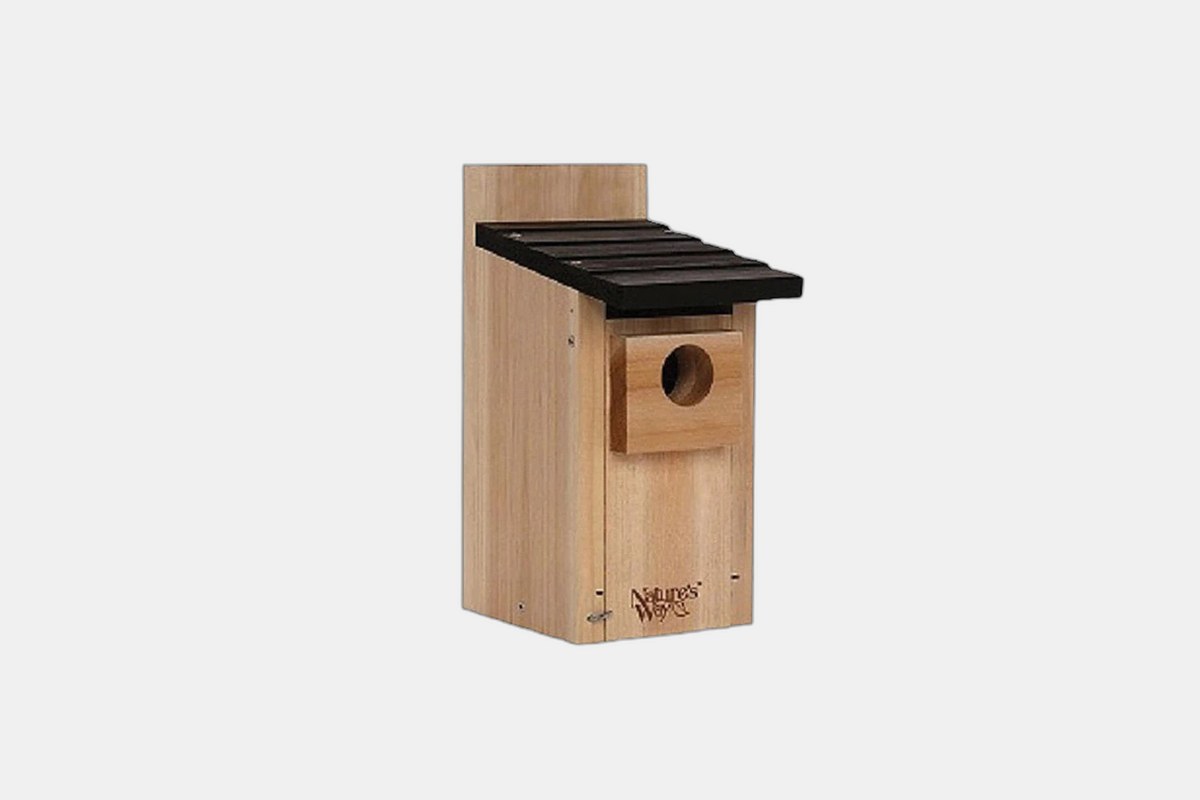
For about $30, this is another excellent choice specifically for bluebirds. It’s made from insect- and rot-resistant cedar, and all the hardware is rust-free, so it’s clearly designed to handle the elements for years.
The design includes features to protect against predators, and it has proper ventilation and drainage, which are important for keeping the baby birds healthy. It just feels very well thought out and constructed. It’s a really high-quality house for the price.
The Downside: Bluebirds are picky about placement, so you have to mount this at the right height in an open area for them to use it.
A few things I’ve learned to pay attention to. First, the material matters. Natural, untreated wood like cedar or pine is usually best because it breathes and provides good insulation. I’ve had success with recycled plastic too, as long as it has good ventilation.
The size of the entrance hole is also a big deal. It determines who can get in. A 1 1/8-inch hole is great for wrens and chickadees, while bluebirds need a 1 1/2-inch hole. A smaller hole keeps bigger bullies out.
Finally, make sure you can clean it out. A birdhouse with a side panel or roof that opens makes it easy to remove old nests after the breeding season is over. This helps prevent the spread of parasites and gets the house ready for the next family.
The 10 Best Lawn Edgers
The 48 Best Gifts for Men
The 10 Best Succulent Soils
The 39 Best Hostess Gifts

Leave a Reply