The Best Over-the-Range Microwaves
The Best Over-the-Range Microwaves

I got tired of the taste of our city water. It always had a faint chlorine smell, and after reading a few too many articles about what could be lurking in the pipes, I decided it was time for a home water filtration system. Pitcher filters were a pain to refill constantly, so I went straight for an under-sink model. It’s been one of the best upgrades I’ve made to our kitchen.
An under-sink filter gives you clean, great-tasting water right from a dedicated tap. No more waiting, no more plastic bottles. You just install it once, and you get months of purified water for drinking, cooking, and even filling the coffee maker.
After installing and testing several models in my home and my workshop, I’ve narrowed down the field. These are the ones that actually perform, are reasonably easy to install for a DIYer, and provide real value. Here are the best under-sink water filters for 2026.
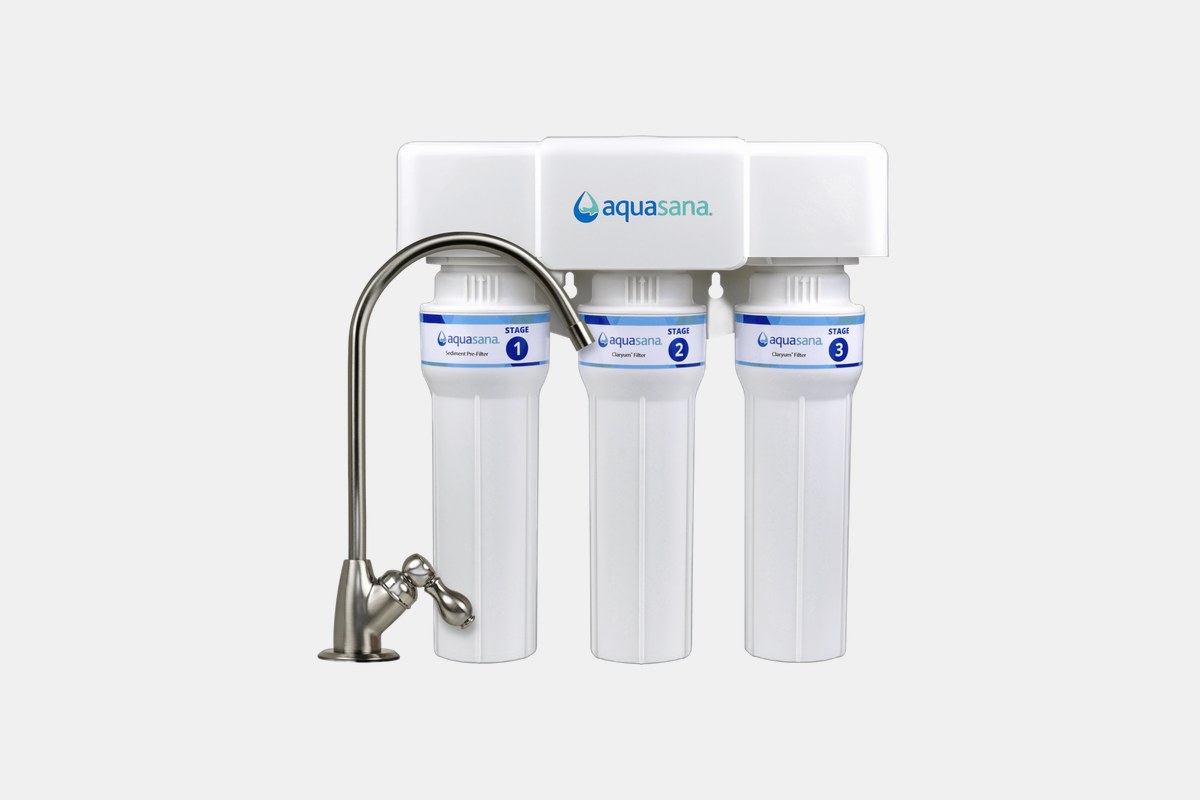
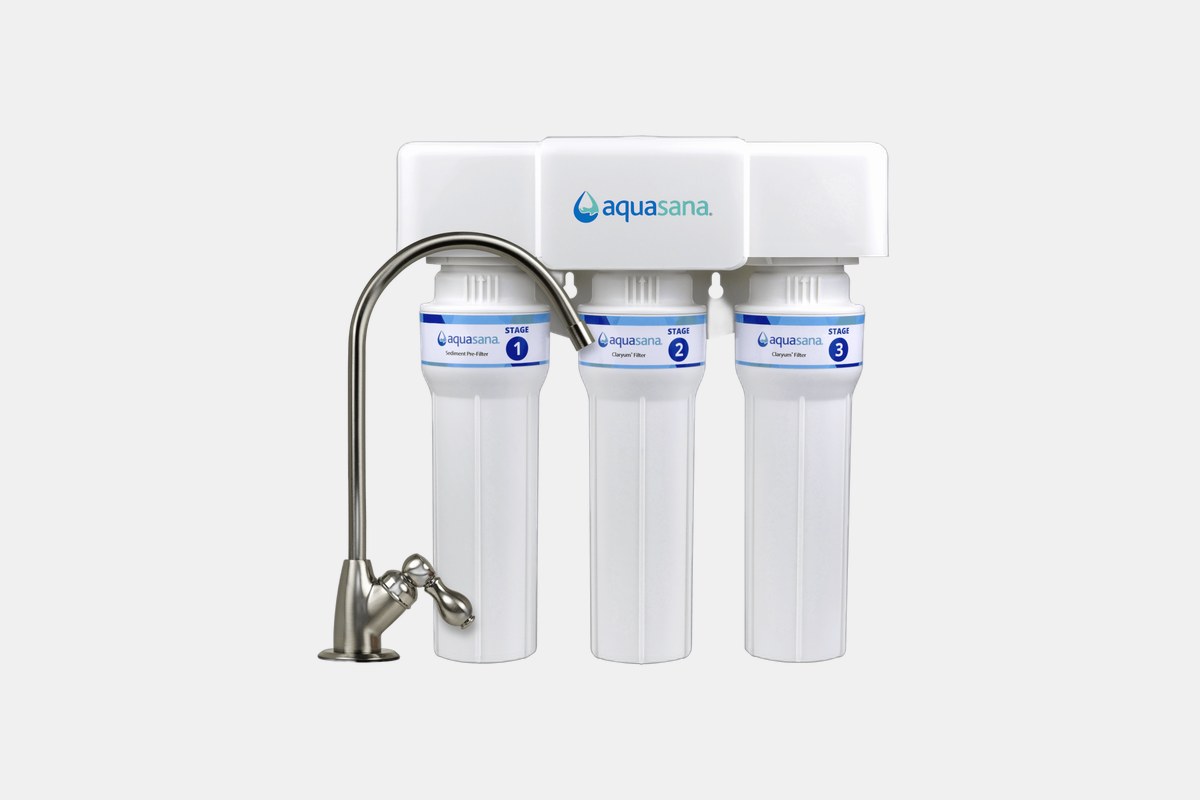
The Aquasana 3-Stage Max Flow costs around $200. I installed this one in our main kitchen, and the difference in water quality was immediate. It completely removes that chemical taste and gives me peace of mind about contaminants like lead and PFAS that you hear about in the news.
The “Max Flow” part is no joke; it fills a pot of water for pasta just as fast as my regular faucet. Installation was pretty straightforward, even with the three separate filter canisters. It just works, and the water tastes fantastic while keeping healthy minerals like calcium and magnesium.
The Downside: This system is not small. The three large canisters take up a good chunk of real estate under the sink, so you’ll want to measure your cabinet space before you buy.
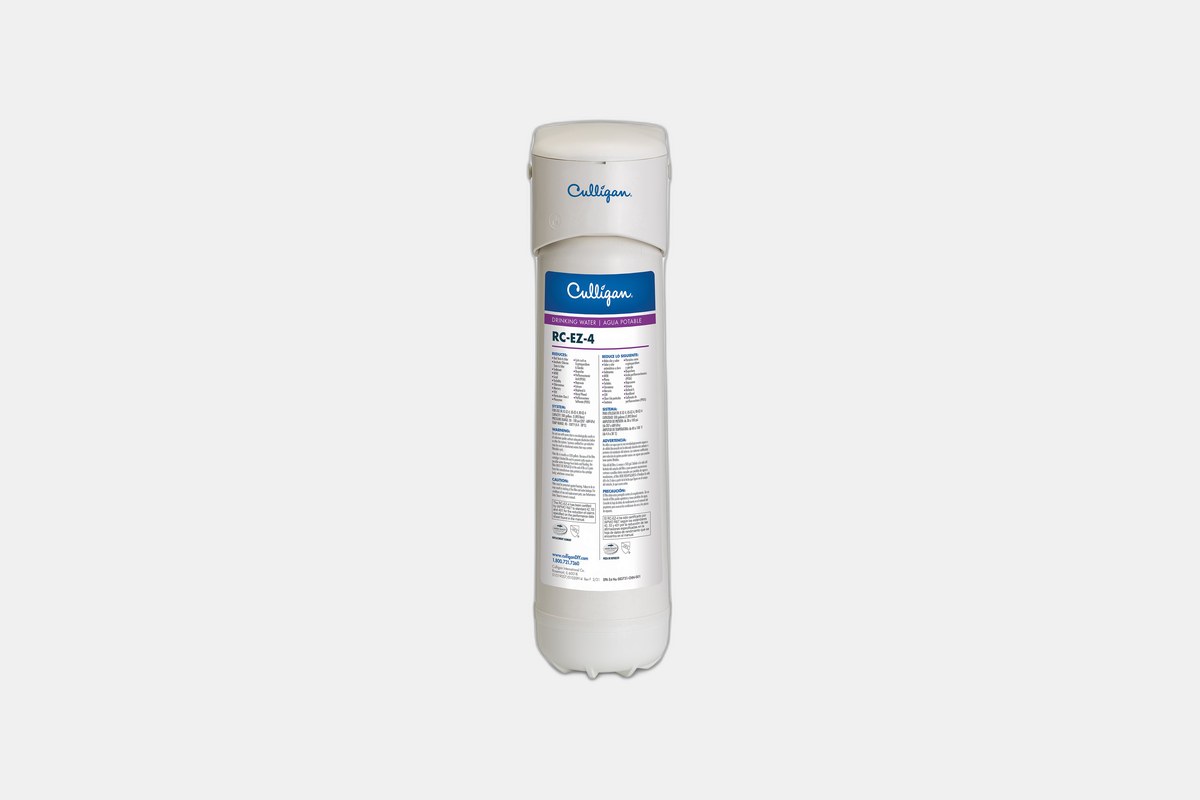
At about $100, the Culligan EZ-Change is a fantastic value. I put one of these in our guest bathroom so we could have filtered water there without a big investment. It’s incredibly compact and fits easily into a crowded vanity cabinet.
The best part is how simple the filter changes are. You literally just twist the old one off and twist the new one on, no tools or mess. It does a great job of getting rid of chlorine taste and sediment, making it a huge step up from tap water for not a lot of money.
The Downside: It’s a basic filter. It’s not certified to remove things like pharmaceuticals or pesticides, so if those are major concerns for your area, you might want a more advanced system.
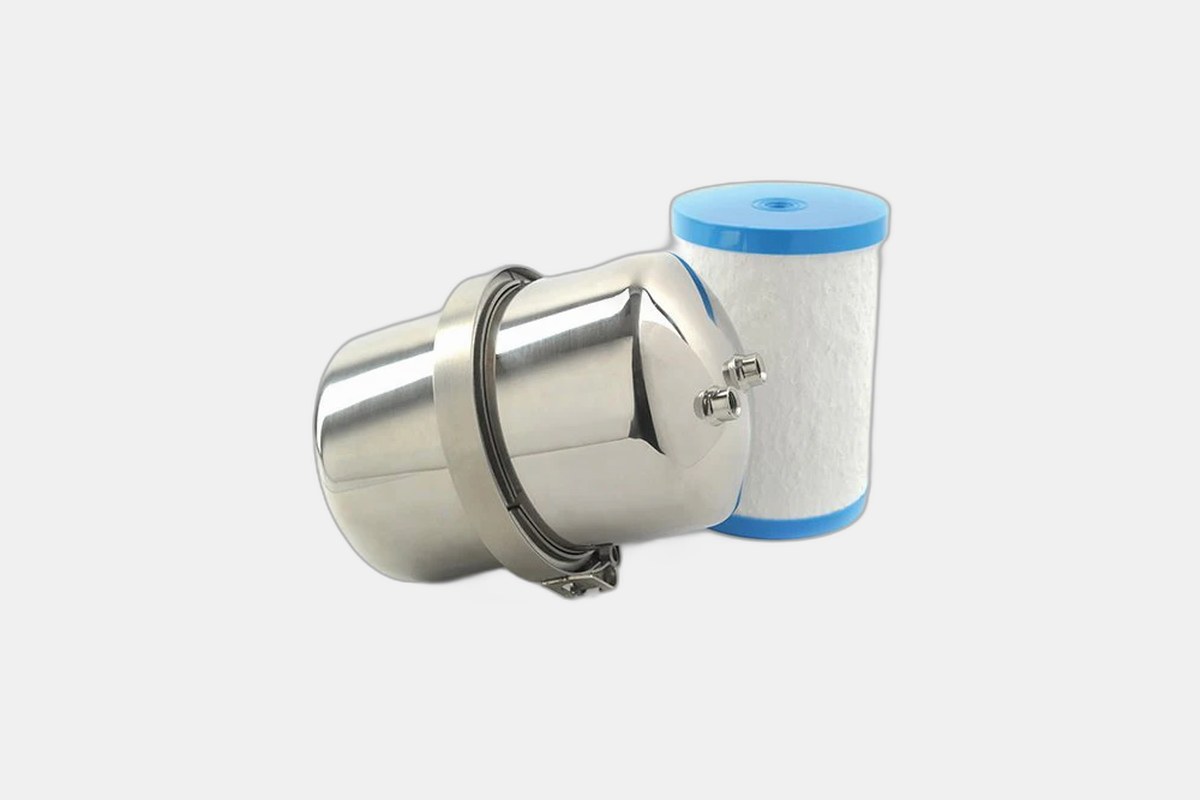
The Multipure Aquaversa is a premium unit, coming in around $600. I was impressed by its solid, stainless steel housing and compact size. It feels built to last. This is the filter for someone who wants serious filtration power but doesn’t have a lot of cabinet space to spare.
It uses a solid carbon block filter that tackles a huge range of contaminants, meeting several different NSF standards. The water flow stays strong and steady, and it doesn’t seem to clog up easily, even with our city’s sometimes-sediment-heavy water.
The Downside: The replacement filters can be a bit harder to find than the more common brands. You’ll likely have to order them online directly rather than grabbing one at the local hardware store.
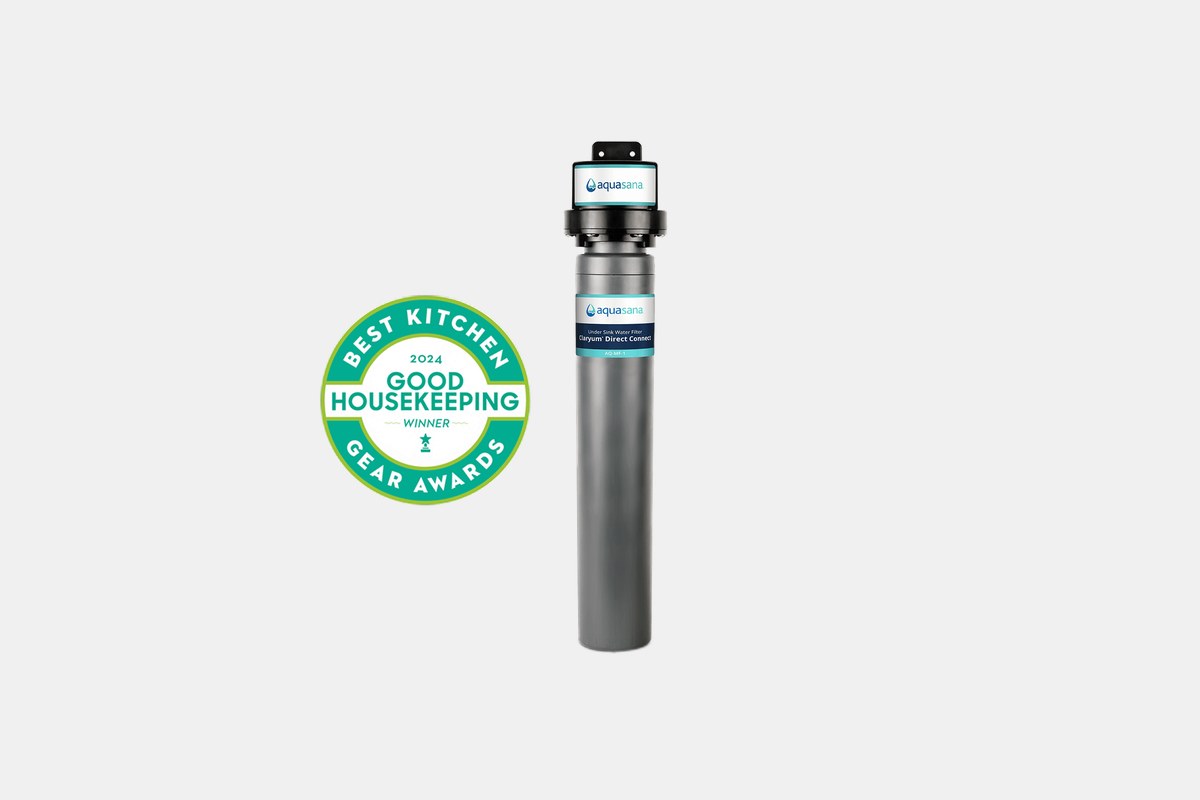
For about $125, the Claryum Direct Connect is brilliant for its simplicity. I recommended this one to my brother for his apartment because you don’t need to install a separate faucet. It just hooks directly into your existing cold water line, so all the cold water from your main kitchen faucet is filtered.
The installation took me less than 15 minutes. It’s a great kitchen water filter if you’re renting or just don’t want to drill another hole in your countertop. It still offers that great Aquasana filtration for 78 different contaminants, including the big ones like lead and asbestos.
The Downside: Because it’s filtering all of your cold water (not just a dedicated tap), the filter doesn’t last as long. You’ll be replacing it more frequently than a system with its own faucet.
The Waterdrop G3P600 costs about $450, and it’s a full-blown reverse osmosis (RO) system. If you want the purest water possible, this is the way to go. It removes pretty much everything, which is why it’s NSF 58 certified for reducing things like heavy metals and total dissolved solids (TDS).
What I really like is the tankless design. Old RO systems had a big, clunky tank that took up the entire cabinet. This is a sleek box that produces water on demand, and it does it fast. The 2:1 ratio of pure water to wastewater is also really efficient for an RO system.
The Downside: It needs a power outlet under your sink to run the pump. Not all kitchens have one, so you might need to call an electrician if you don’t have a plug for your garbage disposal handy.
The first thing I always do is check my local water quality report. Your town or city utility is required to provide one. This tells you exactly what contaminants are in your water, so you can buy a filter that is certified to remove them, whether it’s chlorine, lead, or something else.
Next, I measure under my sink. It sounds obvious, but I’ve been burned before. Some of these home water filters, especially the multi-stage ones, are bigger than they look online. Make sure you have room for the filter and for you to get in there to change it.
Finally, look at the long-term cost. The initial price is one thing, but the cost of replacement filters is what you’ll be paying for years. Finding the best water filters 2026 for your home means balancing upfront cost with the price and lifespan of the cartridges.
The Best Over-the-Range Microwaves
The 5 Best Flatware Sets
The 6 Best Stainless-Steel Cookware Sets
The 8 Best Glass Food Storage Containers

Leave a Reply