The 10 Best Lawn Edgers
The 10 Best Lawn Edgers

Starting seeds indoors is one of my favorite parts of the year. It’s that first real sign that spring is just around the corner. But using the wrong soil can stop your garden before it even starts. You need something light, fluffy, and clean to give those tiny seeds the best shot.
Heavy garden soil is a no-go. It’s too dense, holds way too much water, and can have fungus or weed seeds in it. A good seed starting mix is sterile, fine-textured, and holds just the right amount of moisture to encourage germination without causing rot. Over the years, I’ve tried a ton of them, from fancy organic mixes to the cheap stuff from the big box store.
Here are the ones I keep coming back to for getting my vegetables and flowers started strong for the 2026 season.

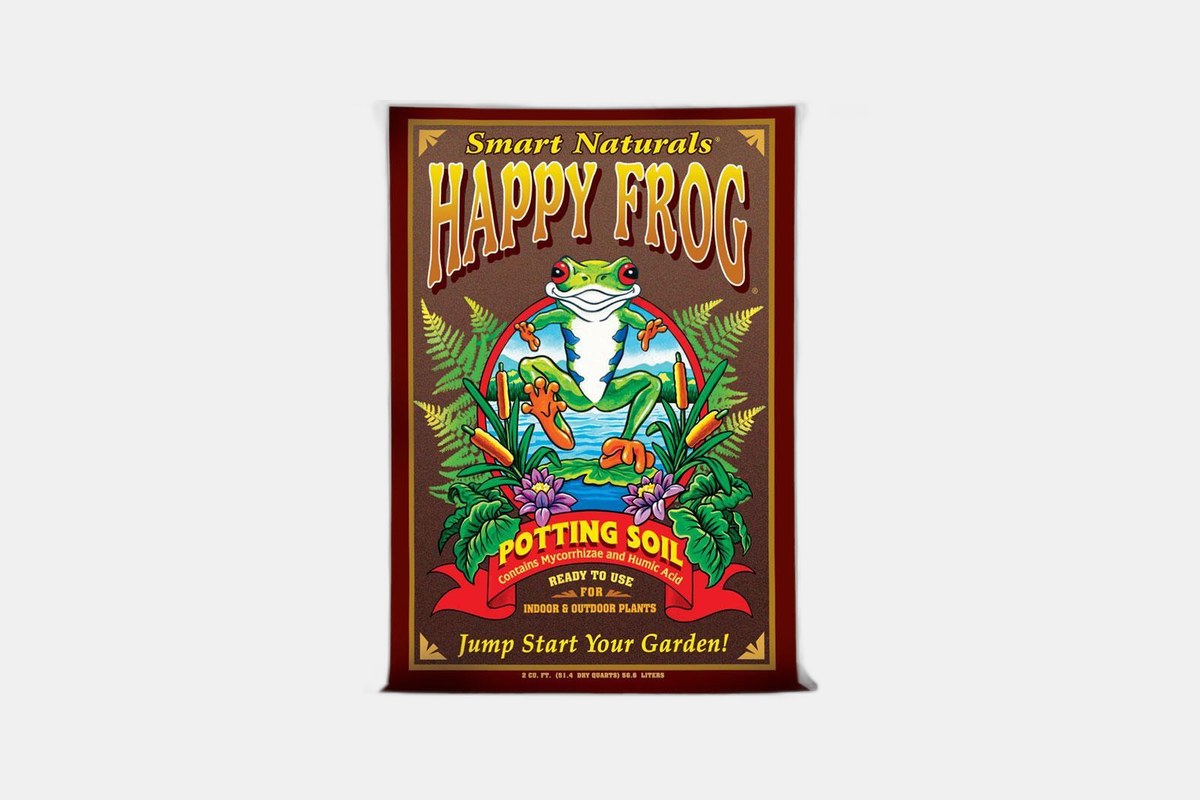
A bag of this stuff runs about $25 for 2 cubic feet. It’s not just for starting seeds, but it works incredibly well for it. I use this for seeds that I know will stay in their pots a little longer before going into the garden, like my tomatoes and peppers.
What I love is that it’s packed with good stuff right out of the bag. It has mycorrhizal fungi and other microbes that help build strong root systems fast. You don’t get fungus gnats, and the seedlings just look healthier and greener compared to other mixes. It gives them a real nutrient boost from day one.
The Downside: It’s definitely one of the more expensive options. If you’re just starting a few trays of easy seeds, it might be overkill.
You can usually find a 9-liter bag for around $9. This is my go-to for reliability, especially for my organic vegetable garden. It’s just a super clean and consistent mix every single time I buy it.
It drains really well but somehow stays perfectly moist, so I don’t have to worry as much about damping off, which has killed my seedlings in the past. The MYCOACTIVE tech seems to really help the little plants handle the stress of transplanting later on. No gnats, no mold, just healthy sprouts.
The Downside: It’s purely a starting mix. There aren’t many nutrients in it, so once your seedlings get their first true leaves, you’ll need to start feeding them or plan on potting them up into richer soil.
This one costs about $8 for a 12-quart bag. I really like this for small batches of flowers and herbs. It’s made from coconut coir, which is a great sustainable alternative to peat moss.
My seeds seem to pop up faster in this stuff than almost anything else I’ve tried. It’s very fine and light, which is perfect for tiny seeds that can get buried too easily. For a beginner who wants to be eco-friendly and get quick results, this is a fantastic choice.
The Downside: I’ve read a few rare reports online of people having issues with it, but I’ve personally never had a problem in the three seasons I’ve used it.
A 12-quart bag is only about $7, making it a great value. Jiffy is just a classic, reliable brand. This is the stuff you can find almost anywhere, and it always works exactly as you expect it to.
It’s a simple, no-frills mix that gets the job done. The texture is lightweight and perfect for filling cell trays without making a mess. My seedlings always develop healthy, white roots in this mix, and it’s what I recommend to friends who are just getting started and don’t want to overthink it.
The Downside: I’ve noticed it can shrink down a little bit in the cells after a few waterings, so you might need to top them off.
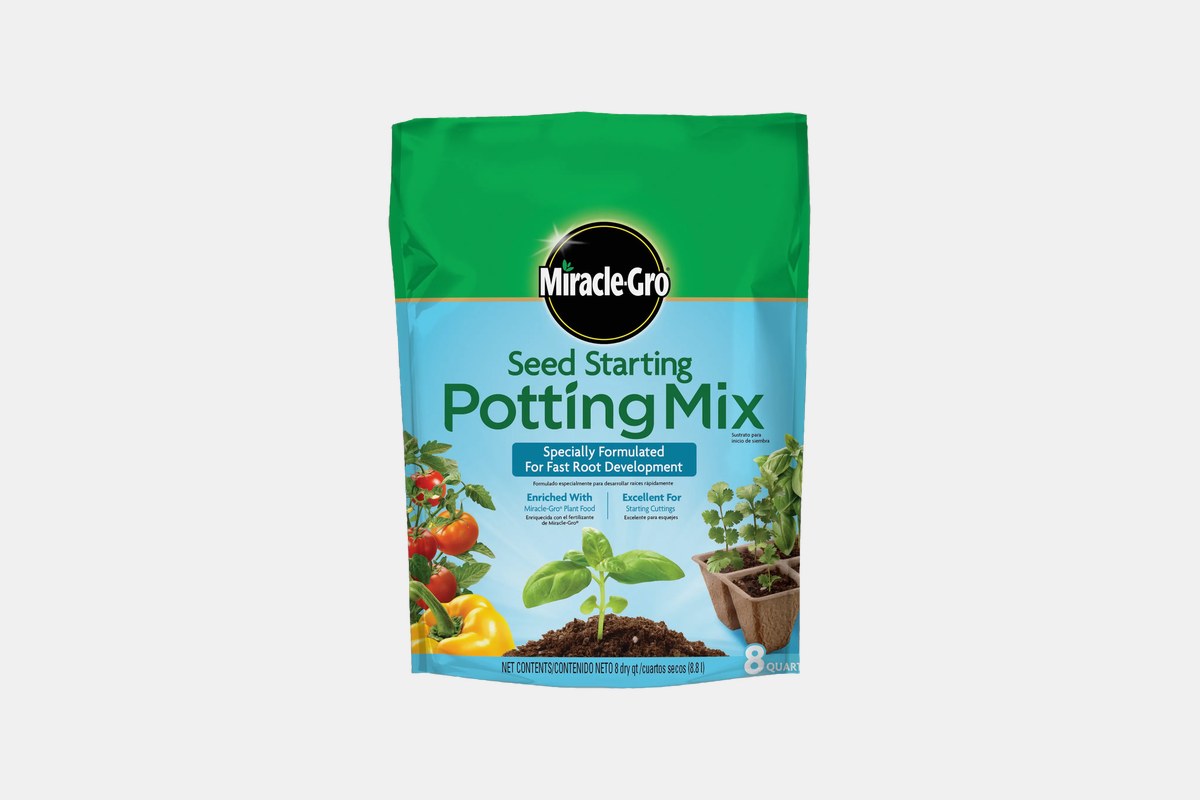
At about $6 for an 8-quart bag, this is easily the most budget-friendly option. If you’re new to gardening and just want to see something grow, this is a great place to start. It’s formulated to be pretty foolproof.
It has plant food mixed right in, so seedlings get a boost right away and grow really fast. The mix holds moisture well, which helps prevent the number one mistake beginners make: letting the soil dry out completely. It’s simple and effective for container planting.
The Downside: It’s not organic. Also, the added fertilizer isn’t really necessary for seeds themselves (they have their own energy stores) and can sometimes be a little strong for very delicate seedlings.
Honestly, the most important thing is texture. You want a mix that’s fine and light. If you grab a handful and it feels heavy or clumps up like clay, it’s not going to work. Seeds need air pockets around them just as much as they need water.
Also, check the ingredients. Peat moss, coconut coir, and perlite are all great signs. These materials are fantastic at holding moisture while also providing aeration. Some mixes, like the FoxFarm, add extras like worm castings or bat guano, which is great for giving seedlings an early meal once they sprout.
Don’t just use soil from your yard. It’s tempting, but it’s the fastest way to get diseases like damping off, which will wipe out a whole tray of seedlings overnight. A sterile, bagged seed starting mix is one of the best investments you can make for a successful garden.
The 10 Best Lawn Edgers
The 48 Best Gifts for Men
The 10 Best Succulent Soils
The 39 Best Hostess Gifts

Leave a Reply