The 7 Best Whole-House Humidifiers
The 7 Best Whole-House Humidifiers

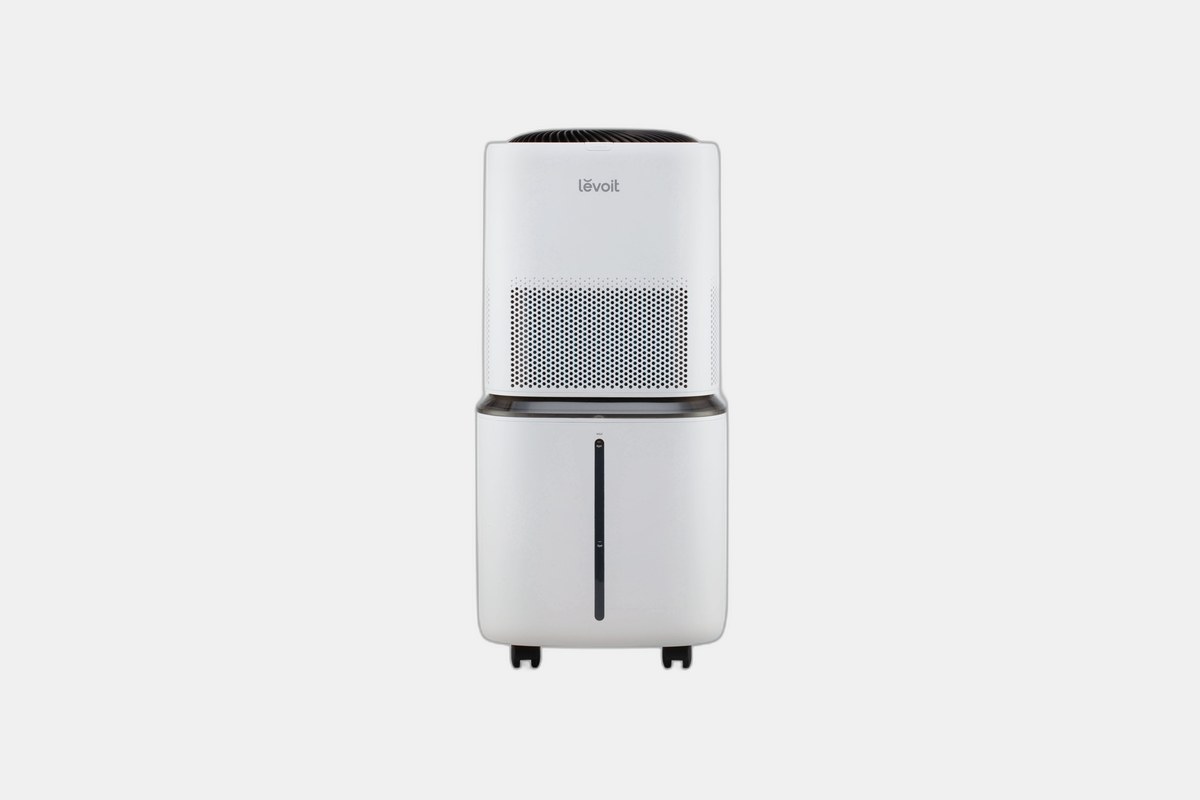
I’ve got a classic Michigan basement. It’s cool, a little damp, and it always has that “basement smell” if I’m not careful. That smell, of course, is the calling card of mold and mildew, which I absolutely do not want anywhere in my house. After years of trial and error, I can tell you that a good dehumidifier is the only real solution.
Running a dehumidifier pulls all that excess moisture out of the air. It makes the space feel more comfortable and, more importantly, it stops mold and mildew from getting a foothold. It’s not just for basements, either—I’ve used smaller ones in bathrooms and crawl spaces to keep things dry.
After testing several models in my own home and talking to friends, I’ve landed on these four. They’re all solid performers that will protect your home from dampness and the problems that come with it.
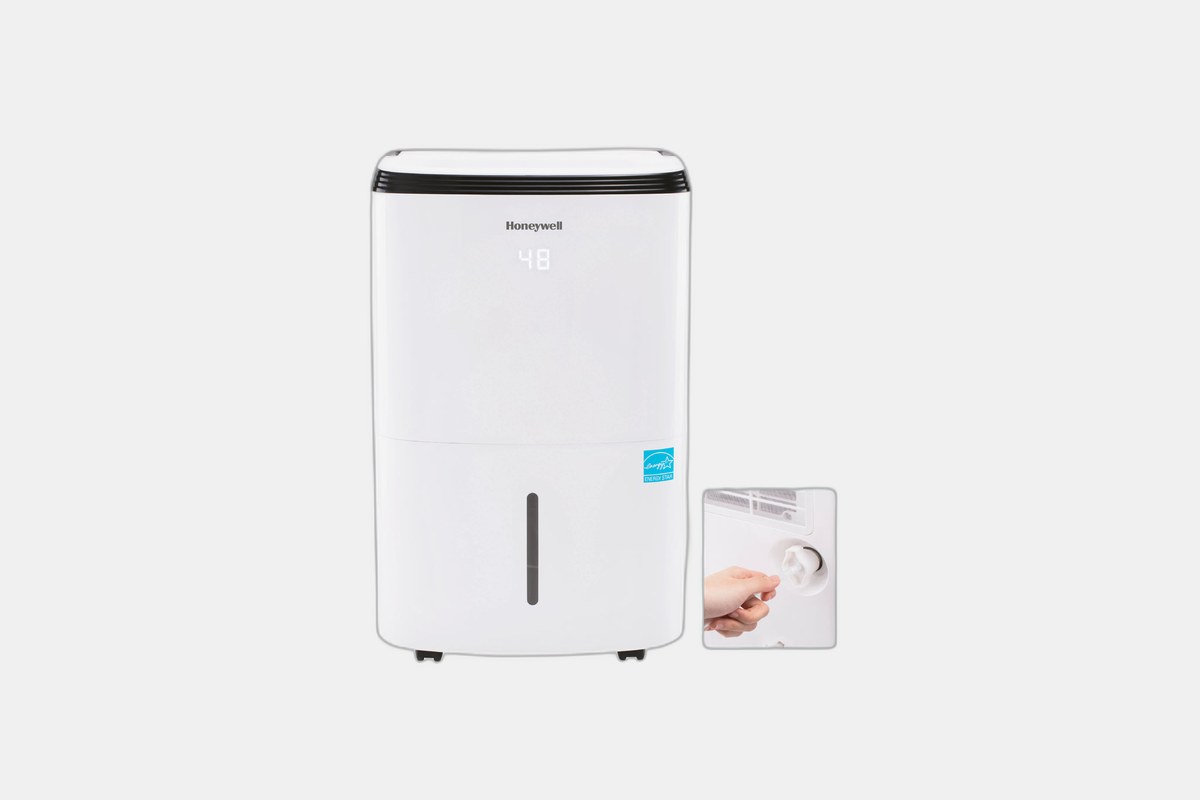
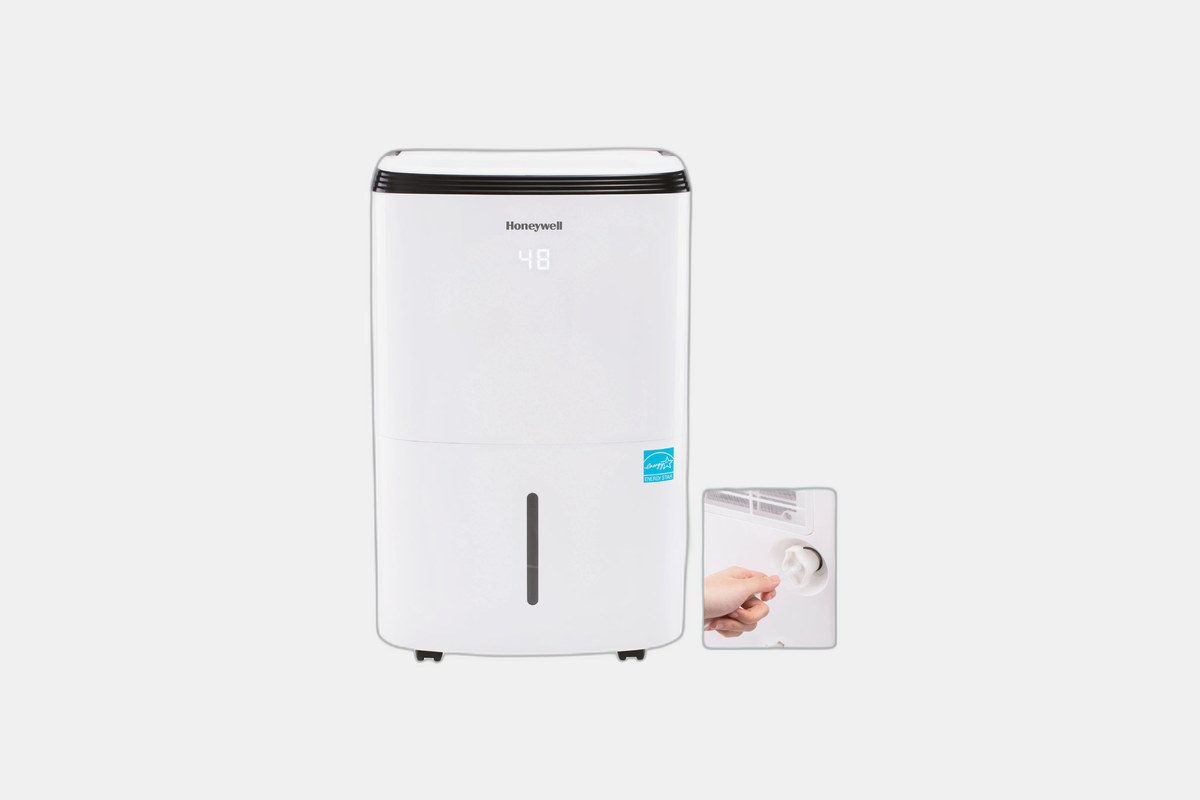
The Honeywell costs around $300 and is an absolute workhorse for a big, damp basement. I ran this thing for a whole season and barely had to think about it. The built-in pump is the best feature—it just pushes the water out through a hose to a floor drain or utility sink. No buckets to empty, ever.
It’s an Energy Star model, so I didn’t see a huge jump in my electric bill, which was a relief. It pulls a ton of moisture out of the air and keeps the humidity right where you set it. This is the one you get if you have a serious dampness problem and want a set-it-and-forget-it solution.
The Downside: It’s not the quietest machine out there. When the fan is on high, you can definitely hear it running from the next room. It’s fine for a basement, but it might be too loud for a main living area.

At about $299, the Midea Cube is really smartly designed. Its best feature is the huge water tank, which means I was emptying it way less often than other models I’ve used. When you’re not using it, the whole thing nests together into a compact cube for easy storage.
This thing is surprisingly quiet for how powerful it is. It can handle a big space, up to 4,500 square feet, so it had no trouble with my entire basement. It’s also Energy Star rated and very efficient at pulling humidity down quickly.
The Downside: Like most powerful dehumidifiers, it does put out a bit of warm air from the exhaust. It’s not a huge deal in a cool basement, but it’s something to be aware of if you’re using it in a smaller, warmer room.

This Frigidaire runs about $259 and it’s just a classic, reliable machine. There aren’t a lot of complicated bells and whistles, which I actually appreciate. The controls are simple, it’s easy to roll around, and the filter just slides out to be rinsed in the sink.
It gets the job done quickly, dropping the humidity in my 1,200 sq. ft. basement in just a few hours. It’s a dependable choice if you just want to plug something in and have it work without fuss. It feels sturdy and well-built.
The Downside: This model doesn’t have a built-in pump. You can attach a hose for continuous draining, but it has to drain downward using gravity. If you don’t have a floor drain nearby, you’ll be emptying the bucket by hand.

For around $200, this Black+Decker is a fantastic value. It’s a 30-pint model, so it’s not meant for a huge, waterlogged basement. But for our damp laundry room or a smaller basement area, it’s perfect.
It’s lightweight, easy to move around, and does a great job of keeping mustiness at bay in a medium-sized space. The controls are straightforward and it’s also pretty efficient, so it’s a great way to prevent mildew without spending a ton of money upfront or on your energy bill.
The Downside: The smaller 30-pint capacity means it wouldn’t keep up with a really large or very wet basement. You’d be emptying the bucket constantly, so it’s definitely best for smaller problem areas.
The “pint” rating can be confusing. It’s not about the bucket size—it’s about how many pints of moisture the machine can remove from the air in 24 hours. For a damp basement, I wouldn’t go with anything less than a 50-pint model. For a single damp room, a 30-pint is usually fine.
Also, decide how you want to deal with the water. Emptying a bucket every day gets old, fast. If you have a floor drain or a utility sink, getting a model with a built-in pump or at least a connection for a gravity hose is a huge convenience.
And finally, always look for the Energy Star logo. These things can run for months at a time, especially during humid summers. An efficient model will save you a noticeable amount of money on your electric bill over the years, making it well worth it.
The 7 Best Whole-House Humidifiers
The 5 Best Upright Freezers
The 7 Best Evaporative Humidifiers
Looking for a new refrigerator? Our expert guide reviews the top 5 French door refrigerators available in 2026, highlighting their key features, pros, and cons to help you make the best choice for your home.
Leave a Reply