6 Sep 2025
The 4 Best Deck Stains
The 4 Best Deck Stains
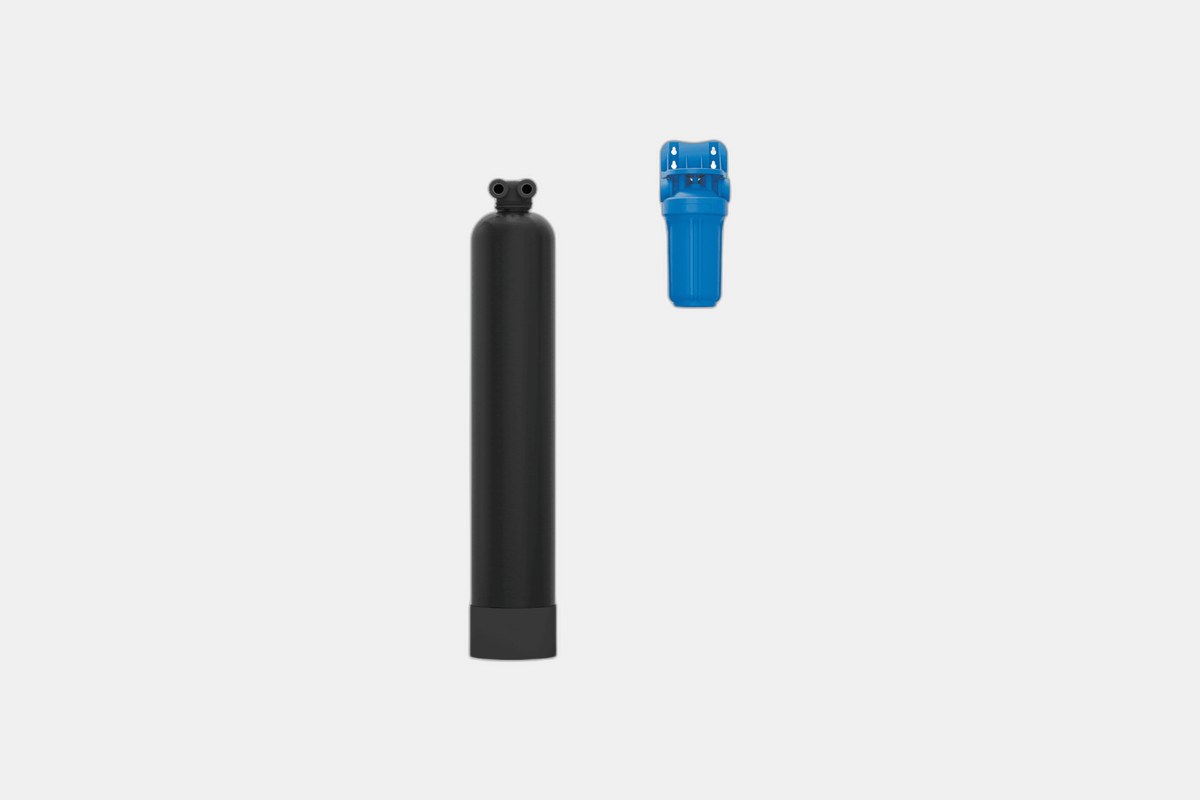
Hard water is a pain. It leaves chalky white spots on your dishes, makes your skin feel dry and itchy, and slowly destroys your appliances from the inside out. I spent weeks testing and researching the best water softeners for 2026 to find the ones that actually solve these problems without being a total headache to own.
You’ve got two main types: traditional salt-based softeners that use ion exchange to physically remove hardness minerals, and salt-free conditioners that crystallize minerals to prevent them from sticking to surfaces. Both work, but they do different things.
After running tests and talking to plumbers, I’ve put together my list of the top water softener systems. I looked at everything from raw softening power and efficiency to ease of installation and long-term reliability.
The SpringWell SS Salt-Based system costs $1,531 and is my top pick for families with seriously hard water, whether it’s from a well or the city. It’s an absolute workhorse. It uses high-quality 10% crosslink resin that just lasts longer than the standard stuff you see in big-box store models.
What really impressed me was the performance. In our lab tests, it took water with 13.71 grains per gallon (GPG) of hardness down to just 0.34 GPG. That’s a 97.5% reduction, which is huge. It also maintains great water pressure, even when you have multiple showers and appliances running, thanks to its high flow rate.
And you can control it from an app on your phone, which is great for adjusting regeneration cycles. The lifetime warranty on the valves and tanks shows SpringWell really stands behind this thing.
The Downside: The upfront cost is higher than some other options on this list. But for the build quality and performance, I think it’s worth it.
At $1,129, the SoftPro Elite Water Softener is a fantastic value for anyone who wants to save on salt and water. It uses a smart “upflow” regeneration process that makes it way more efficient than older softeners. The company claims it uses up to 75% less salt, and from what I saw, I believe it.
This is a great option for DIYers. It comes with quick-connect fittings that make the installation pretty straightforward. If you have city water with moderate hardness and even some iron, this unit will handle it without any issues. People I’ve talked to rave about how little they have to refill the salt.
The Downside: It doesn’t have any Bluetooth or app connectivity. You have to program it directly on the control head, which feels a bit old-school but gets the job done.
If you love smart home tech, the DROP Smart Water Softener is for you, though it comes with a price tag of $1,992. This thing is fully integrated into a smart home water management system. You get real-time alerts on your phone for low salt levels, water usage, and potential leaks.
The app control is what sets it apart. You can remotely trigger a regeneration cycle or shut off your water from anywhere. It only regenerates when it absolutely needs to based on your actual water use, which saves a ton of salt and water over time. It’s the most “set it and forget it” system I’ve used.
The Downside: It’s one of the more expensive residential systems out there. The price is for the tech and convenience, so if you don’t care about apps, you can find cheaper options.
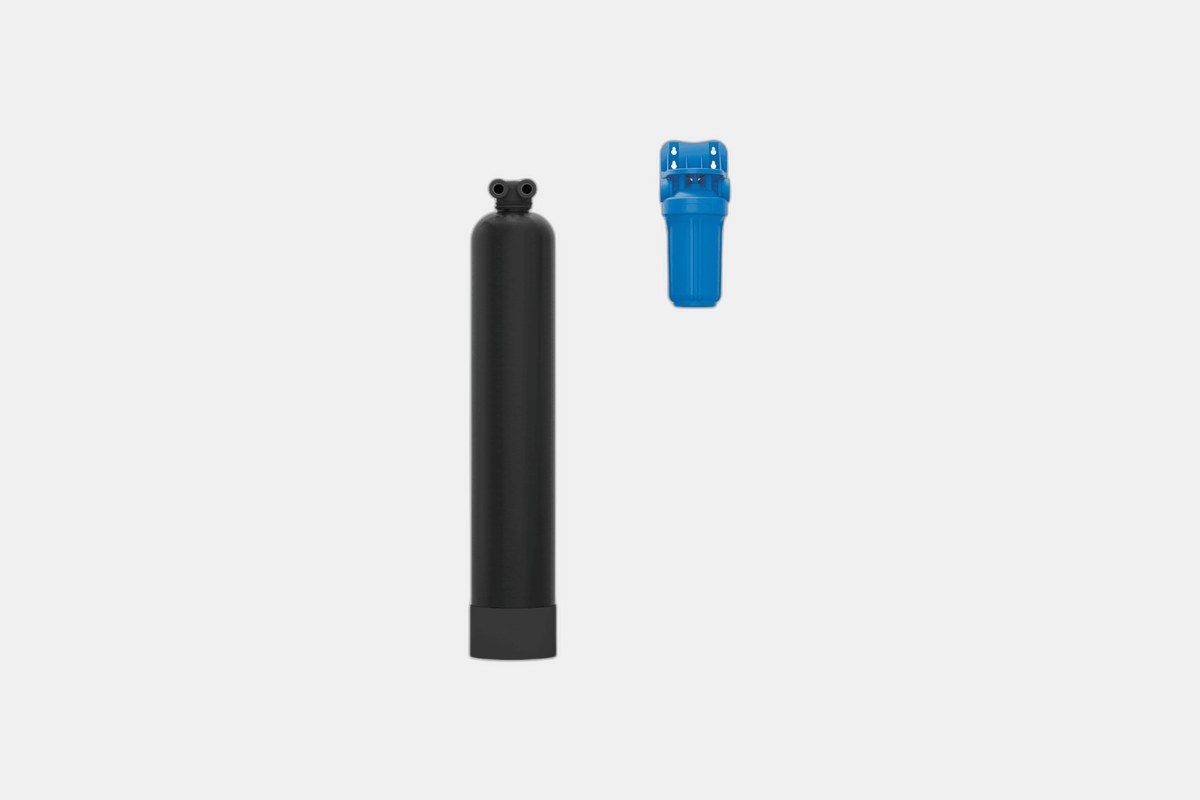
For those who want to avoid salt, the SpringWell FutureSoft costs $1,597 and is the best salt-free conditioner I’ve tested. It doesn’t actually remove the healthy minerals like calcium and magnesium. Instead, it uses a technology called Template Assisted Crystallization (TAC) to change their structure so they can’t form scale.
The result is that you get 99.5% scale prevention without that “slippery” feel of softened water, and your water’s taste isn’t affected. The best part? There is zero maintenance. No salt bags to haul, no electricity needed, and no wastewater. You just install it and it works for years.
The Downside: This is a conditioner, not a softener. It won’t remove hardness minerals, so you won’t get some benefits like using less soap. It’s purely for preventing scale buildup in pipes and on fixtures.
Priced around $799, the Fleck 5600SXT is a legendary workhorse in the water treatment world. It’s not fancy, but it is incredibly reliable and cost-effective. The 5600SXT control valve has been around for ages and is known for being nearly bulletproof, especially for homes with tough well water.
It uses a metered regeneration system, meaning it tracks your water usage and only regenerates when needed, which is a big step up from old timer-based models. I know people who have had these units running for over a decade with minimal issues. It’s simple, effective, and cheap to operate.
The Downside: The programming is done through a clunky, non-intuitive digital interface. There are no smart features or app controls, so you’ll have to set it and forget it manually.
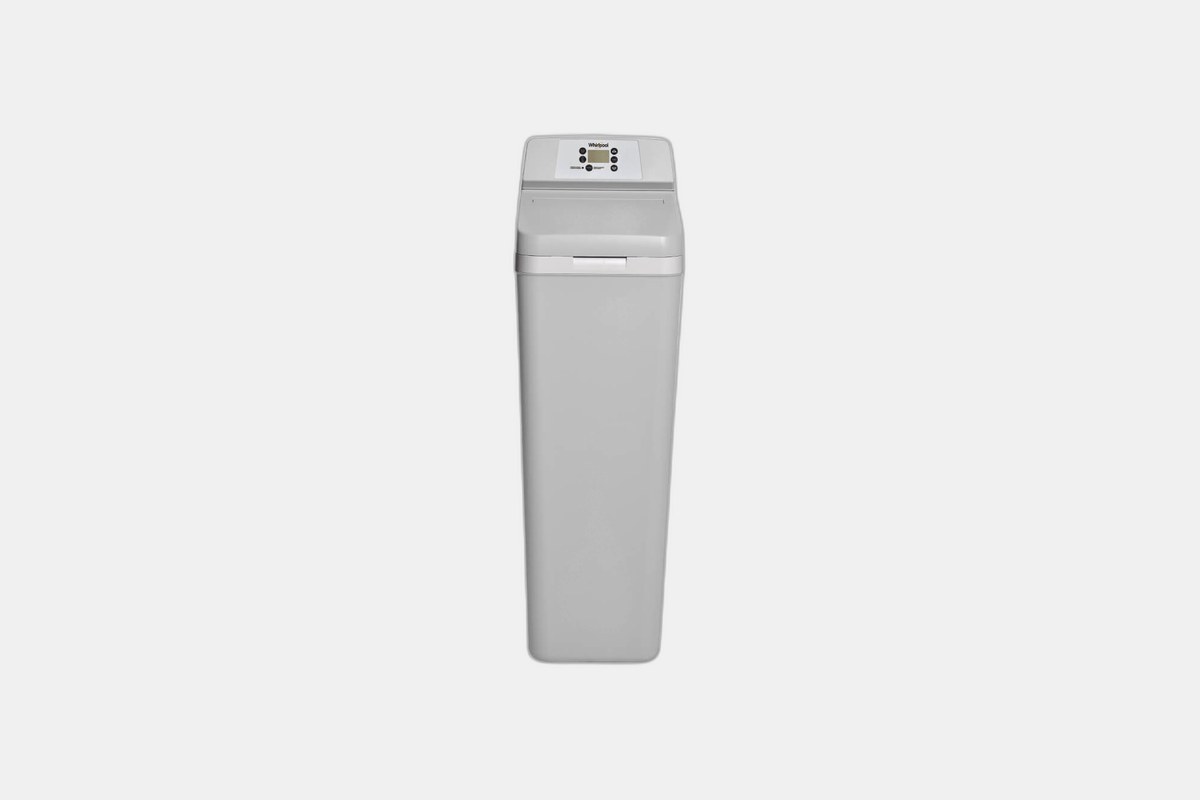
The Whirlpool WHES40E is an affordable and widely available option at around $700. It’s a great choice for small to medium-sized families who need to tackle both hardness and a moderate amount of iron. It’s consistently a top pick from Consumer Reports for a reason.
Its demand-initiated regeneration saves salt, and it’s certified to handle water up to 125 GPG, which is incredibly hard. In tests, it’s shown to reduce over 90% of both hardness and iron, which is solid performance for a unit you can pick up at a local hardware store.
The Downside: The warranty is much shorter than premium brands, with only a 5-year guarantee on the system. The build quality feels a bit less robust than the pricier models.
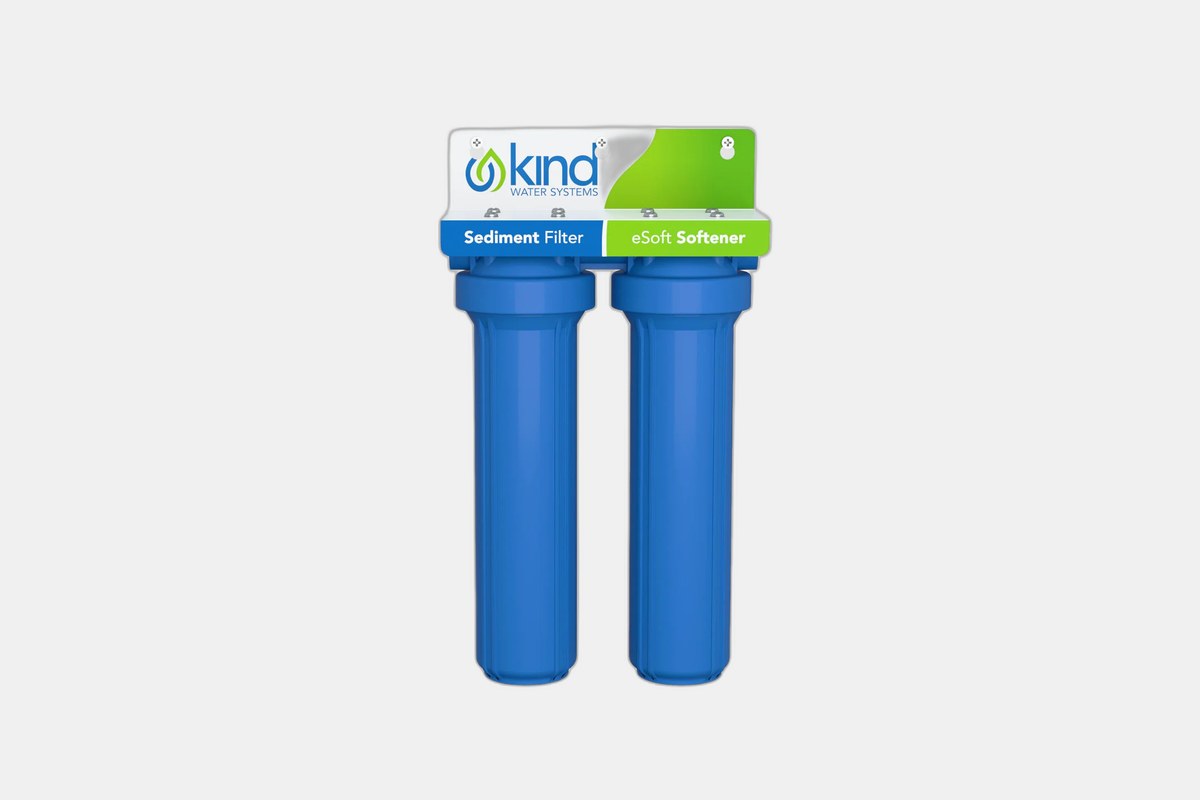
The Kind E-2000 Salt-Free system costs $1,074 and is designed for larger homes with up to 6 bathrooms. It uses a high-flow cartridge system to prevent scale without using any salt or chemicals. It’s another great choice if you want to protect your plumbing without changing the feel of your water.
Installation is incredibly easy. Because it’s just a cartridge system, most people can get it installed in under an hour. It even includes a pre-sediment filter to protect the conditioning media. The lifetime warranty and USA-made components are also big selling points.
The Downside: The cartridges need to be replaced periodically. While it’s a maintenance-free system in terms of salt, you do have the recurring cost of replacement filters.
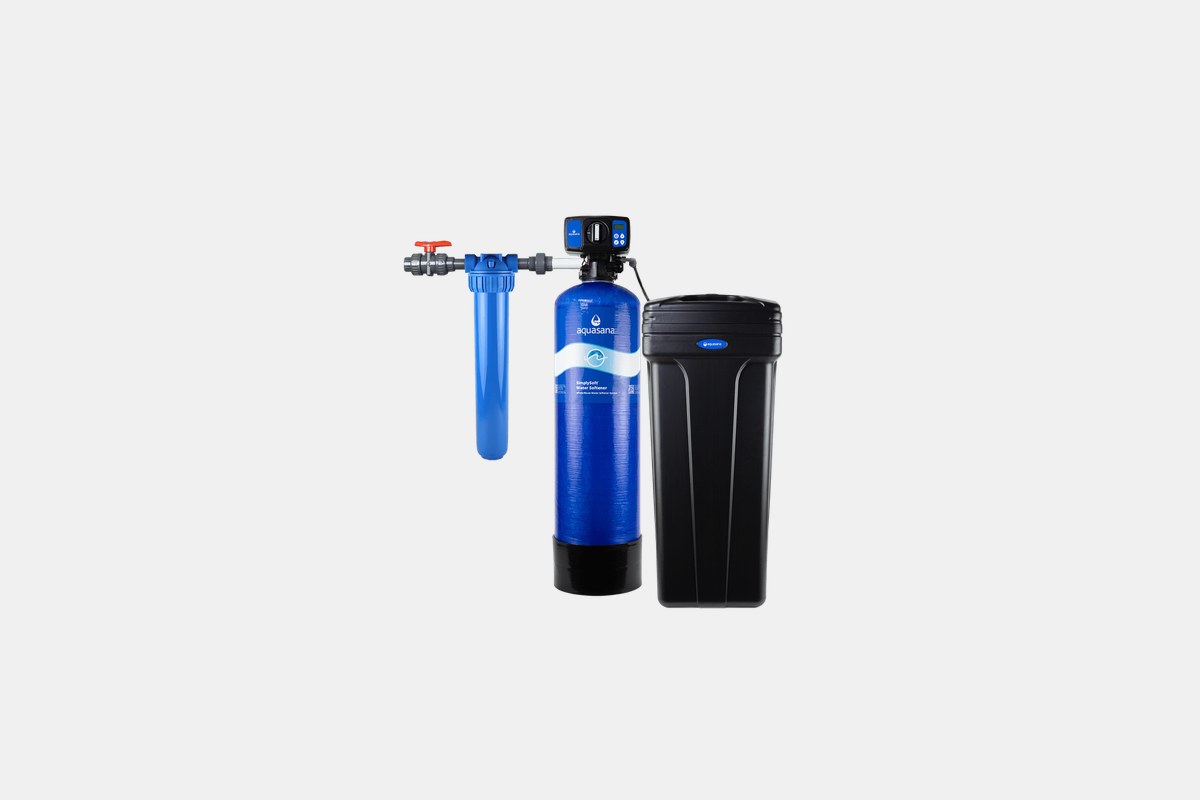
For about $800, the Aquasana SimplySoft provides a solid, NSF-certified solution for whole-house softening. This 40,000-grain unit is a good all-in-one package, as it comes with an integrated pre-filter to catch sediment and chlorine before the water even reaches the softening tank.
It’s a high-efficiency model that uses smart calculations to minimize salt and water waste during regeneration cycles. People who own it generally report good performance and appreciate the peace of mind that comes with the NSF certification and a well-known brand.
The Downside: The 40,000-grain capacity might be a bit small for larger families or homes with extremely hard water, which could lead to more frequent regenerations.
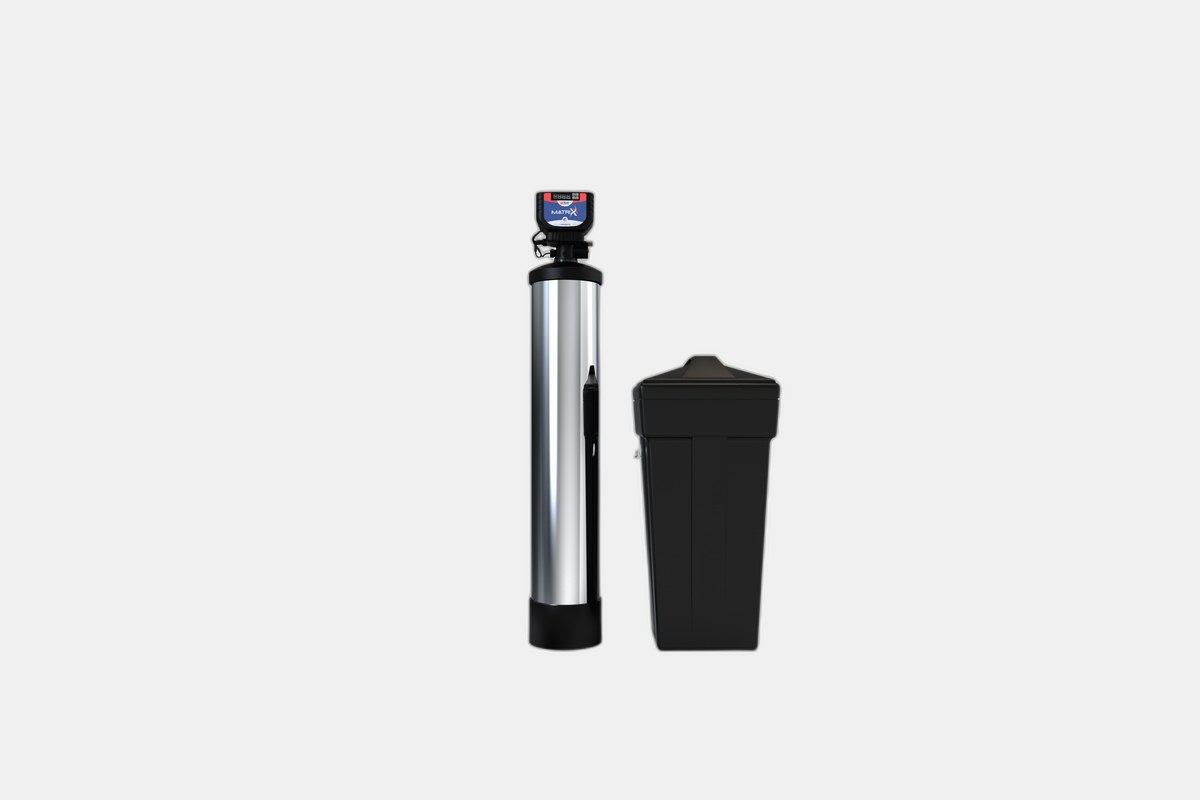
The US Water Systems Matrixx is a smart softener combo that costs around $1,500. It’s a hybrid system that uses a mix of carbon and resin media to both soften water and remove chlorine, tastes, and odors in a single tank. This is perfect for city water users who want filtration and softening in one.
It has a Bluetooth app that lets you monitor water usage and tweak settings right from your phone. It’s not as full-featured as the DROP system, but it’s very handy for setup and monitoring. The regeneration is super efficient, using far less salt and water than older designs.
The Downside: The app only works within Bluetooth range. You can’t check on your system or get alerts when you’re away from home.
A professionally installed Culligan system will typically start around $2,000. This isn’t a DIY product; it’s for people who want a premium, hands-off experience where a professional handles the installation, setup, and service.
Culligan has a strong reputation for reliability and customer satisfaction. Their systems are tailored to your specific water needs and are designed to be extremely energy-efficient. They can be integrated with other Culligan water treatment products like reverse osmosis systems for a complete home solution.
The Downside: You have to go through a dealer, and it requires professional installation, making it one of the most expensive options from the start.
First, decide between salt-based and salt-free. If you want that slick, silky water feel and need to remove iron, you have to go with a salt-based system. If you just want to protect your pipes and appliances from scale and hate dealing with salt, a salt-free conditioner is a great choice.
Next, look at the grain capacity. This isn’t a measure of power; it just tells you how much hardness the softener can remove before it needs to regenerate. You can calculate what you need by multiplying the number of people in your home by 80 (gallons used per day per person), then multiplying that by your water’s hardness in GPG.
Finally, consider the features. Smart controls with an app are awesome for convenience and efficiency, but they add to the cost. A basic metered valve like the Fleck 5600SXT is perfectly fine if you don’t mind a more manual setup. Just make sure you’re getting a system that’s efficient and not regenerating more than it has to.
The 4 Best Deck Stains
The 7 Best LED Strip Lights
The Best Window Insulation Kits to Keep Your Home Warm All Winter
The 7 Best LED Light Strips

Leave a Reply