The 4 Best Deck Stains
The 4 Best Deck Stains

Nobody thinks about smoke detectors until they start chirping at 3 AM. I learned that the hard way a few years back. After replacing one dead battery, another one would start chirping a week later. I finally got fed up and decided to replace every single, yellowed, 15-year-old detector in our house.
And let me tell you, things have gotten a lot better since then. The best smoke detectors in 2026 aren’t just loud noisemakers. They’re smarter, they talk to each other, and some can even tell you what kind of danger it is and where it’s happening. It’s a small upgrade that gives you a whole lot of peace of mind.
I’ve spent a lot of time testing and installing different models in my own home and for friends and family. Here are the ones that I trust to keep my family safe.
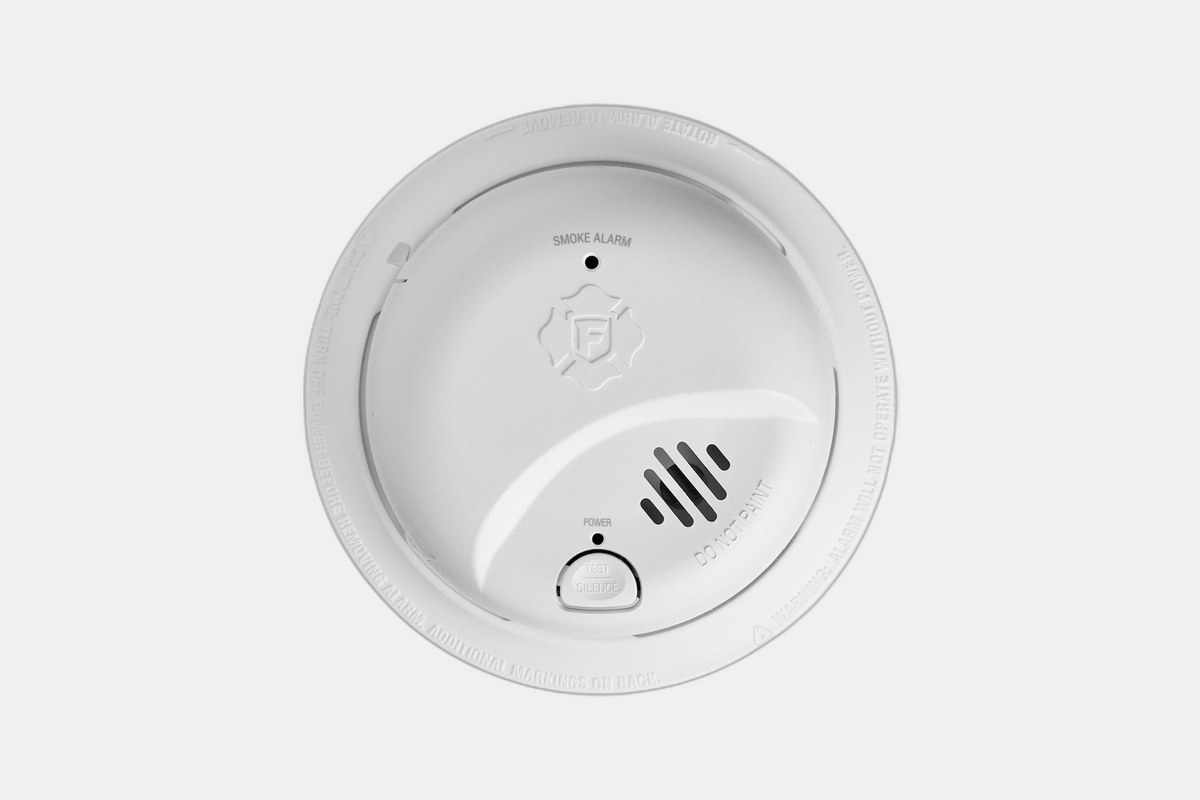
The First Alert SM300-AC costs around $40, and it’s what I’d call the perfect workhorse for most homes. It’s a hardwired unit, so you’ll need the existing wiring, but it also has a battery backup for power outages.
What I really like is the dual sensor. It has both ionization and photoelectric sensors, which means it’s good at detecting both fast, flaming fires and slow, smoldering ones. I put these in my main hallways because they cover all the bases. They also interconnect, so when one goes off, they all scream. I’ve never had a false alarm from cooking, either.
The Downside: It doesn’t have a voice alert to tell you if it’s smoke or where the fire is. It’s just a loud, piercing beep.
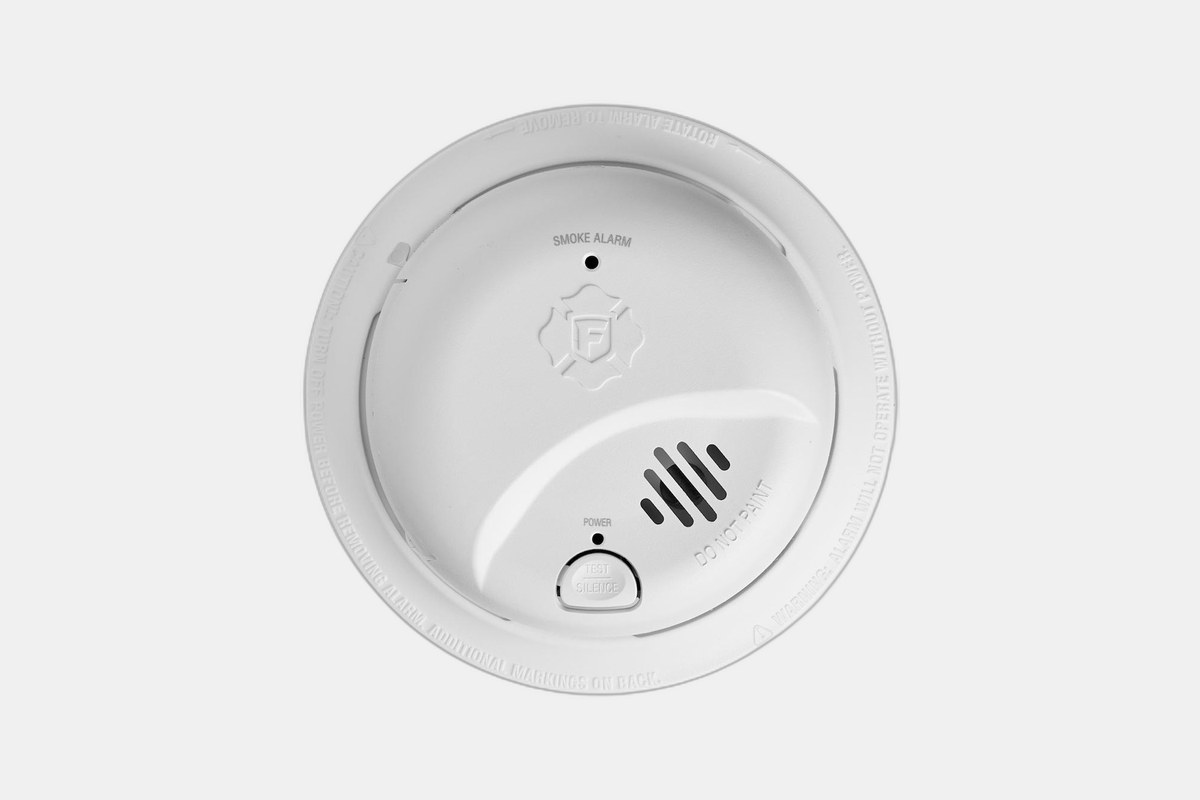
For about $25, the First Alert SMI100-AC is a solid choice if you need to replace a bunch of detectors on a budget. It has all the core features: it’s hardwired with a battery backup and connects with other First Alert alarms. It’s a simple, no-frills way to get your whole house protected.
I helped my brother install a half-dozen of these in his first house. They were easy to pop onto the existing mounts and get connected. They get the job done without breaking the bank.
The Downside: This is an ionization-only sensor. That means it’s great for flaming fires but not as quick to detect smoky, smoldering ones. I’d mix these with a few dual-sensor or photoelectric models.
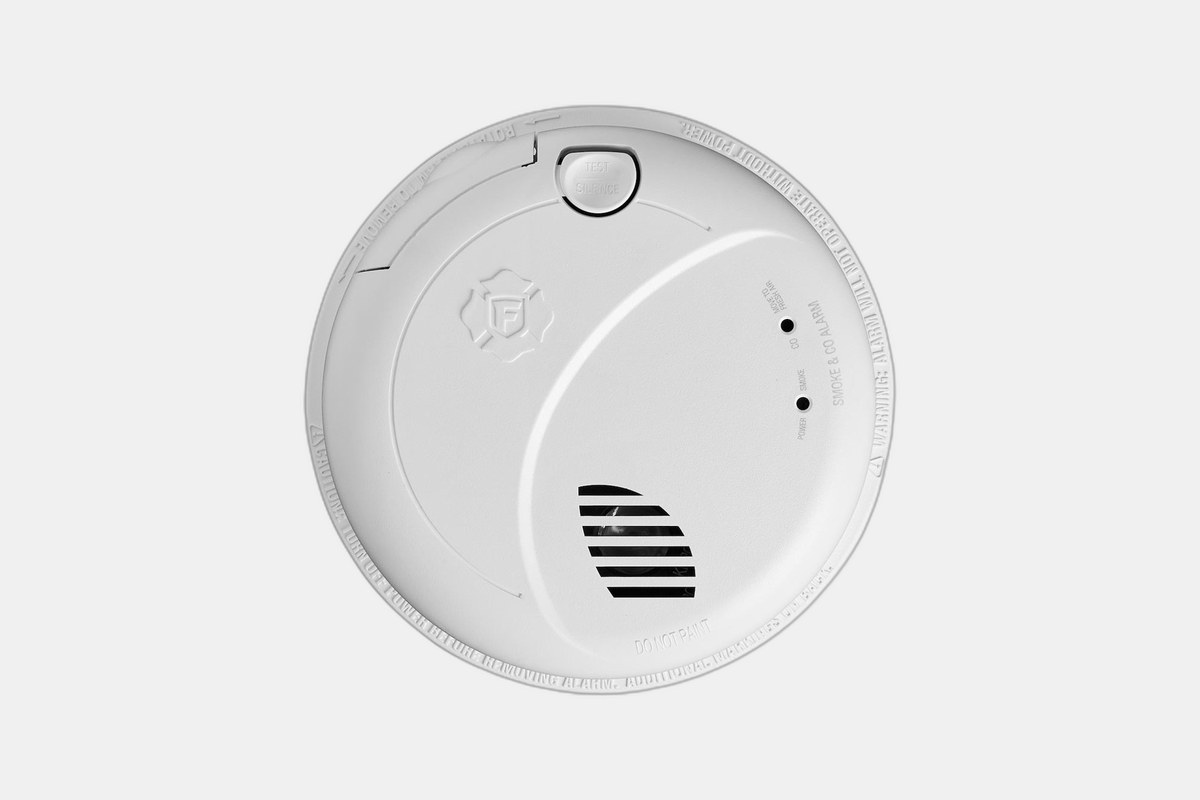
At around $50, this is my go-to for areas that need both smoke and carbon monoxide detection, like the hallway outside our bedrooms. The First Alert SMCO100V-AC is a combination alarm that does it all. It has dual smoke sensors plus a CO detector, so you’re covered for multiple threats in one device.
The best part is the voice alert. Instead of just beeping, a voice clearly says “Warning: Evacuate. Smoke in hallway,” or it will specify carbon monoxide. In the middle of the night, that clarity is huge. It connects with all our other hardwired First Alert units perfectly.
The Downside: It has to be hardwired. If you don’t have the existing wiring in the ceiling, installation is a much bigger job.

If you’re into smart home stuff, the First Alert SC5 is a great option for about $130. It’s a hardwired combo smoke and CO alarm that sends alerts right to your phone. It was super easy to set up with our Google Home system just by scanning a QR code.
It’s nice getting a notification if an alarm goes off when we’re not home. A cool feature is that it can interconnect with older Google Nest Protects, so if you have some of those, you don’t have to replace them all at once to get a connected system.
The Downside: It’s pretty expensive, especially if you need to buy several to cover your whole house.
The SMCO500V costs around $45 and is the perfect solution for older homes or rooms without hardwiring. It’s a battery-powered combo smoke and CO alarm, but it can still connect with other units wirelessly. This is a big deal for creating a whole-home system without tearing up drywall.
I installed one in our detached garage workshop. Even though it’s battery-only, it has the same loud voice alerts that tell you the type and location of the danger. The battery compartment is easy to access from the front, so you don’t have to twist it off the ceiling to make a change.
The Downside: It’s completely reliant on batteries. You’ll have to remember to change them when the unit tells you to.
This Kidde alarm, at about $75, is for anyone who hates changing batteries. It has a sealed battery that lasts for the entire 10-year life of the detector. You just install it and forget about it until it’s time to replace the whole unit a decade later.
It’s a hardwired combo unit with that 10-year battery backup, and it has voice alerts for “Fire!” or “Warning: Carbon Monoxide.” In my tests, it was very responsive to smoke and silenced quickly once the air was clear. It’s a great set-it-and-forget-it option.
The Downside: It doesn’t have any Wi-Fi or smart features, so you won’t get alerts on your phone.
For around $35, the X-Sense XS01-WX packs in a lot of smart features for a low price. It’s a battery-powered smoke detector that connects to your Wi-Fi. If it detects smoke, it sends an alert straight to an app on your phone, which is great for when you’re on vacation or at work.
The setup was pretty painless, and the app is simple to use. It gives me peace of mind knowing I’ll be notified of a problem at home no matter where I am. You can even link it to a monitoring center for a subscription fee if you want.
The Downside: It needs a reliable Wi-Fi connection to send alerts. If your internet goes down, so does the smart functionality.
This Kidde combo detector costs about $40 and is a simple, effective battery-powered option. It’s powered by a 10-year sealed battery, so there’s no low-battery chirping for a decade. It detects both smoke and carbon monoxide and uses different LED lights to show you what’s going on.
It’s a straightforward device. The alarm is incredibly loud, which is exactly what you want. This is a good pick for a bedroom or kid’s room where you just need basic, reliable protection without any complex features.
The Downside: It’s battery-powered only and can’t be interconnected with other alarms. Each one is a standalone unit.
The Nest Protect is definitely a premium product at $119, but it’s loaded with smart features that actually make sense. Before the full-blown alarm, a calm voice gives you a “heads-up” that there’s smoke, letting you handle a kitchen mishap before the whole house panics. You can also hush false alarms from your phone.
I love the Pathlight feature. It lights up with a soft white light when you walk under it in the dark, which is surprisingly useful for midnight trips to the kitchen. Its “split-spectrum” sensor is designed to be better at detecting both types of fires, and it connects seamlessly with other Nest products.
The Downside: The price is steep. Outfitting an entire home with Nest Protects is a serious investment.

Okay, this one is pretty wild. For about $249, the First Alert Onelink Safe & Sound is a smoke and CO alarm, a high-quality speaker, and a built-in Amazon Alexa smart assistant all in one. It’s definitely a luxury item, but it’s pretty slick.
The idea is you can use it to play music or podcasts, and in an emergency, it uses that powerful speaker to blast the alarm and voice alerts throughout your home. In a large, open-concept living area, one of these could replace a separate smart speaker and provide protection at the same time.
The Downside: The cost is extremely high for a smoke detector. It’s more of a smart home centerpiece than a simple safety device.
When you’re picking out a smoke detector, there are a few things I’ve learned to keep in mind. First is the sensor type. Ionization sensors are good for fast, flaming fires (think a grease fire in the kitchen), while photoelectric sensors are better for slow, smoldering fires (like a cigarette in a couch cushion). A dual-sensor unit gives you the best of both worlds.
Next, decide between hardwired and battery-powered. If your house is already wired for smoke alarms, I’d stick with hardwired models with a battery backup. They pull power from your home’s electrical system, so they’re very reliable. If you don’t have the wiring, battery-only is your only choice, and the 10-year sealed battery models are the most convenient.
Finally, I can’t stress this enough: get interconnected alarms. When one detector senses smoke, all of them go off at the same time. If a fire starts in the basement, you want the alarm in your bedroom to sound immediately. It’s probably the single most important safety feature you can get.
The 4 Best Deck Stains
The 10 Best Water Softeners
The 7 Best LED Strip Lights
The Best Window Insulation Kits to Keep Your Home Warm All Winter

Leave a Reply