The 10 Best Lawn Edgers
The 10 Best Lawn Edgers


I can’t tell you how many houseplants I’ve killed over the years. I always thought I was just bad with plants. Turns out, I was just bad at guessing when to water them. My fiddle-leaf fig would be bone dry while the snake plant next to it was drowning.
Then I bought a simple soil moisture meter. It completely changed things. Instead of guessing based on how the topsoil looks, I can now tell exactly what’s happening down at the root level. It’s such a simple tool, but it’s probably the most useful thing in my gardening tote.
There are a bunch of different plant moisture meters out there, from simple analog probes to smart sensors that send alerts to your phone. I’ve used quite a few in my own garden and indoor jungle, and these are the ones that have really stood out to me in 2026.

The XLUX Soil Moisture Meter costs just $13, and it’s probably the one I grab the most for quick checks. It’s dead simple to use. You just stick it in the soil and the big, color-coded dial tells you if the plant is wet, moist, or dry. No batteries, no buttons, no fuss.
I keep one of these right by my watering can for my indoor plants. It’s accurate enough to give me an instant reading and stop me from overwatering my succulents again. It just works.
The Downside: It feels a bit flimsy. I wouldn’t want to be jamming it into my compacted clay soil outside every day, but for potted plants, it’s perfect.
At around $18, the ECOWITT Soil Moisture Tester gives you a much more precise reading. The little LCD screen gives you a numerical percentage of moisture, which is great if you’re trying to get really specific with certain plants. It also has a little visual graph which is a nice touch.
I use this one in my raised garden beds. The sensor is waterproof, so I don’t worry about it getting ruined, and you can even calibrate it for different soil types. It gives me confidence that my tomatoes are getting exactly what they need.
The Downside: It runs on batteries, so you’ll have to replace those eventually. It’s not a huge deal, but something to keep in mind.
The IPPINKA Sustee Aquameter is just plain clever, and a pack of two is about $10. You stick this little white wand in your pot and leave it there. When the plant has enough water, the little window at the top turns blue. As the soil dries out, the blue fades back to white.
My wife loves these because they’re discreet and you can see the plant’s water status at a glance without having to poke holes in the soil every time. We use them in our pickiest houseplants, like the calathea that’s always so dramatic.
The Downside: It’s more of an indicator than a precise meter. It tells you “thirsty” or “not thirsty,” but not the exact moisture level.
This Gouevn meter is another super affordable option at only $8. It has a big, easy-to-read dial and even comes with a little watering guide printed on the back for common houseplants. It’s perfect for someone just starting out.
It gives you a quick reading on a 1-10 scale. I gave one of these to my mom to help her with her potted porch flowers, and she loves how straightforward it is.
The Downside: The probe feels a little thin. If you have rocky or really compacted soil, you’ll want to be careful not to bend it.
For about $13, the Sonkir 3-in-1 Soil Meter gives you a lot of info. It doesn’t just measure moisture; it also has a setting for soil pH and light levels. You just flip a switch to change what you’re measuring.
I find this really handy for figuring out the best spot for a new plant. I can check if that corner of the living room actually gets enough light, or if the soil in my azalea bed is acidic enough. The double-needle design seems to make the moisture readings pretty stable, too.
The Downside: The pH and light readings aren’t as precise as dedicated tools for those jobs. They give you a good ballpark idea, but I wouldn’t rely on them for serious soil amendments.

The Kensizer 2-in-1 meter, at $14, is a great tool if you’re focused on moisture and pH. I’ve found its pH readings to be a bit more consistent than some of the 3-in-1 models. The dual probes seem to give it a more stable connection with the soil.
This is my go-to for checking the lawn before fertilizing and for making sure my blueberry bushes are happy. It can get deep into the soil to give you a really solid reading of what’s going on at the root level.
The Downside: You have to leave it in the soil for a few minutes to get a stable reading, so it’s not quite as instant as some others.
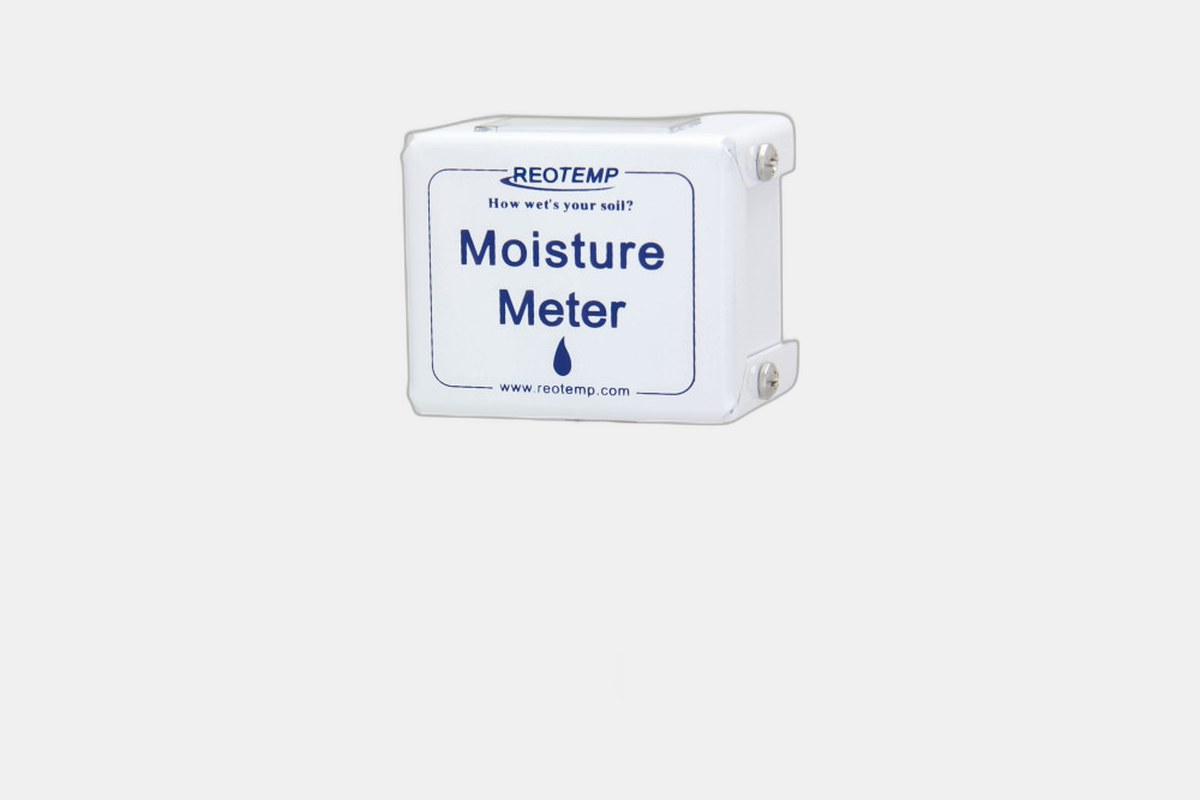
If you’re into composting, the $20 Reotemp meter is fantastic. It has a super long, sturdy probe that’s designed to get right into the center of a compost pile or deep into a garden bed. It’s much more rugged than the smaller meters.
I use this to check my compost pile weekly. Getting the moisture content right is key for good compost, and this tool takes all the guesswork out of it. The 0-10 scale is clear and easy to understand.
The Downside: The sensor is only at the very tip of the probe, so it’s only measuring moisture at that specific depth. You might need to take a few readings at different levels.
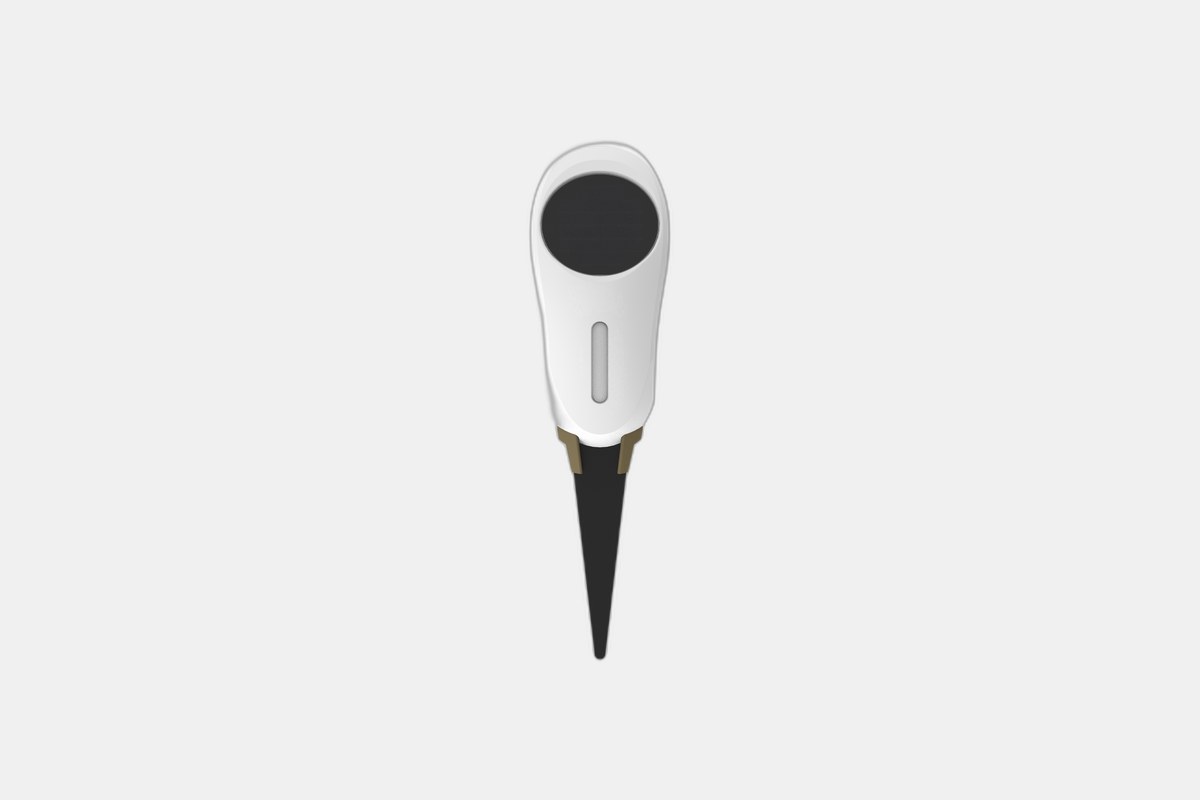
Okay, the Netro Whisperer is for the person who loves data and gadgets. At $70, it’s definitely an investment. You stick this sensor in your garden or a pot, and it connects to an app on your phone, giving you 24/7 data on moisture, light, and temperature.
It’s solar-powered, so you just set it and forget it. It will even send you a notification when it’s time to water. It’s pretty cool for monitoring a vegetable garden when you’re out of town.
The Downside: The price. It’s way more than most people need, but if you love tech, it’s a really neat tool.

The Gain Express meter costs about $15 and it’s built like a tank. The probe is thick and long, so you can really push it into tough, compacted lawn soil without worrying about it breaking. It gives both moisture and pH readings.
I reach for this one when I’m working in new garden areas where the soil is hard and hasn’t been worked much. It’s durable and gives me a consistent reading every time.
The Downside: This is another one that requires some patience. You need to leave it in the soil for a good 5-10 minutes for the reading to fully stabilize.
At around $15, the XLUX Long Probe is a lifesaver for anyone with large, deep pots. It’s basically the same simple, no-battery design as the standard XLUX, but with a much longer probe to reach deep down into the container.
I have a huge monstera in a pot that’s almost two feet tall. The top of the soil can be totally dry while it’s still wet at the bottom. This meter is the only way I can accurately check the moisture down where the roots actually are.
The Downside: It only does one thing—measure moisture. It’s a basic analog tool with no extra features.
Honestly, the best plant moisture meter is the one you’ll actually use. For most people with a few houseplants, a simple, battery-free analog meter like the XLUX is all you’ll ever need. They’re cheap, reliable, and get the job done.
But if you’re dealing with deeper pots or outdoor garden beds, think about probe length. A short probe won’t do you any good in a big container or out in the yard. That’s when a longer model like the Reotemp or the long-probe XLUX comes in handy.
And don’t get too carried away with extra features unless you need them. The 3-in-1 meters are nice for getting a general idea of light and pH, but if you’re serious about amending your soil, you’re better off getting a dedicated pH test kit. For just watering, a simple moisture meter is perfect.
The 10 Best Lawn Edgers
The 48 Best Gifts for Men
The 10 Best Succulent Soils
The 39 Best Hostess Gifts

Leave a Reply