The Best Over-the-Range Microwaves
The Best Over-the-Range Microwaves

A microwave feels like it should be a simple purchase, right? But I’ve learned the hard way that a bad one can be a daily frustration. You’re stuck with unevenly heated food, confusing buttons, and a door that sounds like a cannon going off. It’s one of those appliances you don’t think about until it stops working or you get one that’s just plain awful.
After going through a couple of duds over the years, I’ve gotten pretty particular about what makes for one of the best microwave ovens. I want something that heats my coffee without boiling it over and defrosts chicken without cooking the edges. It needs to be simple enough that a houseguest can figure it out without a manual.
So, I’ve put together a list of the microwaves that I’ve either used myself, my friends swear by, or have top marks from people who test these things for a living. These are the models that actually get the job done right for 2026.
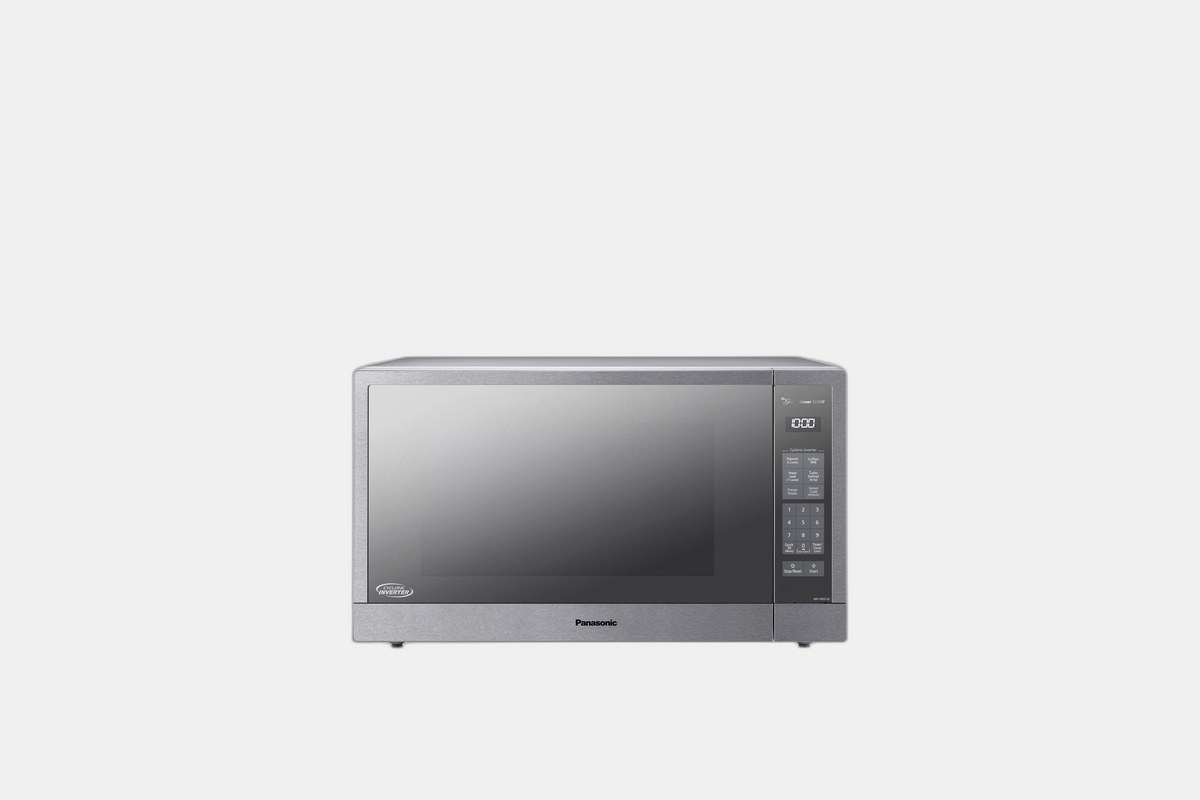
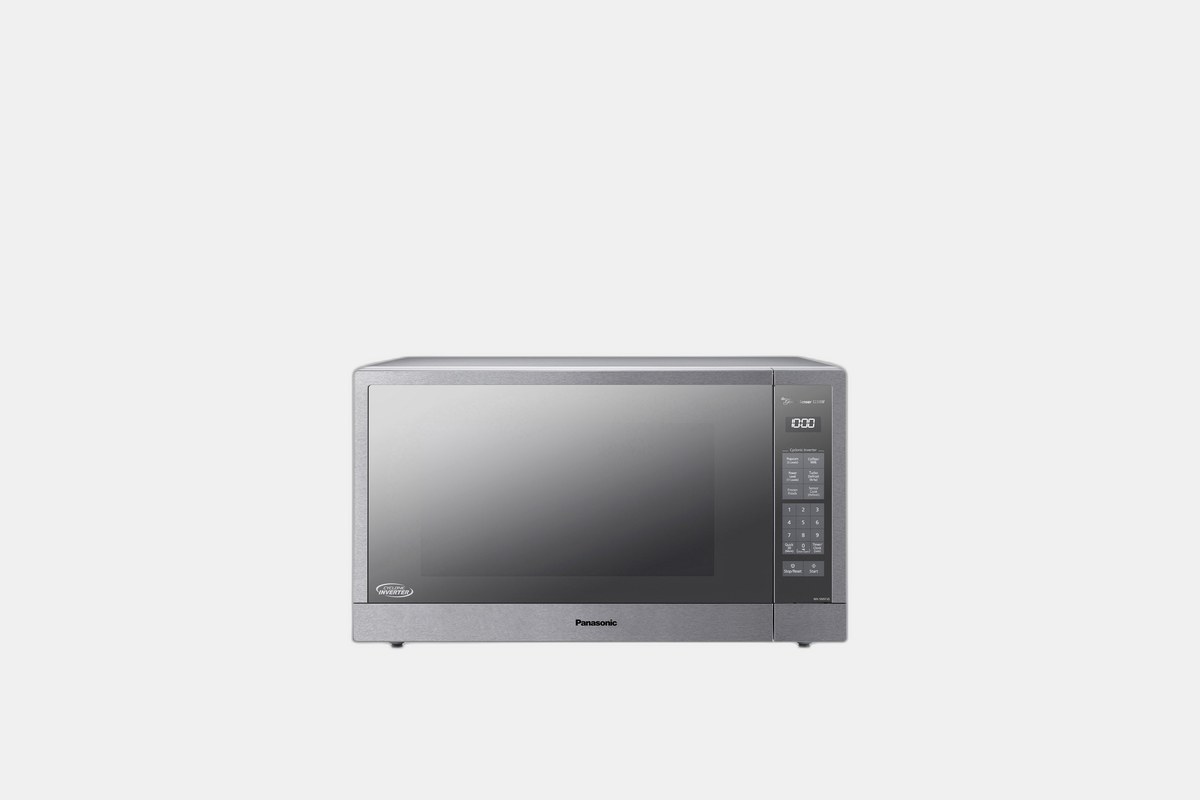
The Panasonic NN-SD975S costs around $430, and it’s a beast. At 2.2 cubic feet, this thing is huge, which is perfect for our big family. I can fit an entire 9×13 casserole dish in there with room to spare, which is something I couldn’t do with my old microwave.
It uses what they call “Cyclonic Wave Inverter” tech, and whatever it is, it works. Food comes out evenly heated, with no cold spots in the middle of my lasagna. It’s fast, powerful, and just a solid performer for a busy kitchen that sees a lot of leftovers.
The Downside: It’s definitely on the expensive side. You’re paying a premium for the size and that even-heating technology.
For about $400, the Breville Smooth Wave is all about the little details. It has a soft-close door, which is surprisingly nice, and it runs so quietly. I can make a late-night snack without waking up everyone in the house.
The smart presets are actually smart, and it defrosts meat more evenly than any other microwave I’ve ever owned. People who have this model seem to really love it, and I can see why. It just feels well-built and thoughtfully designed.
The Downside: It’s not the fastest at heating things up. If speed is your number one priority, you might find it a bit slow.
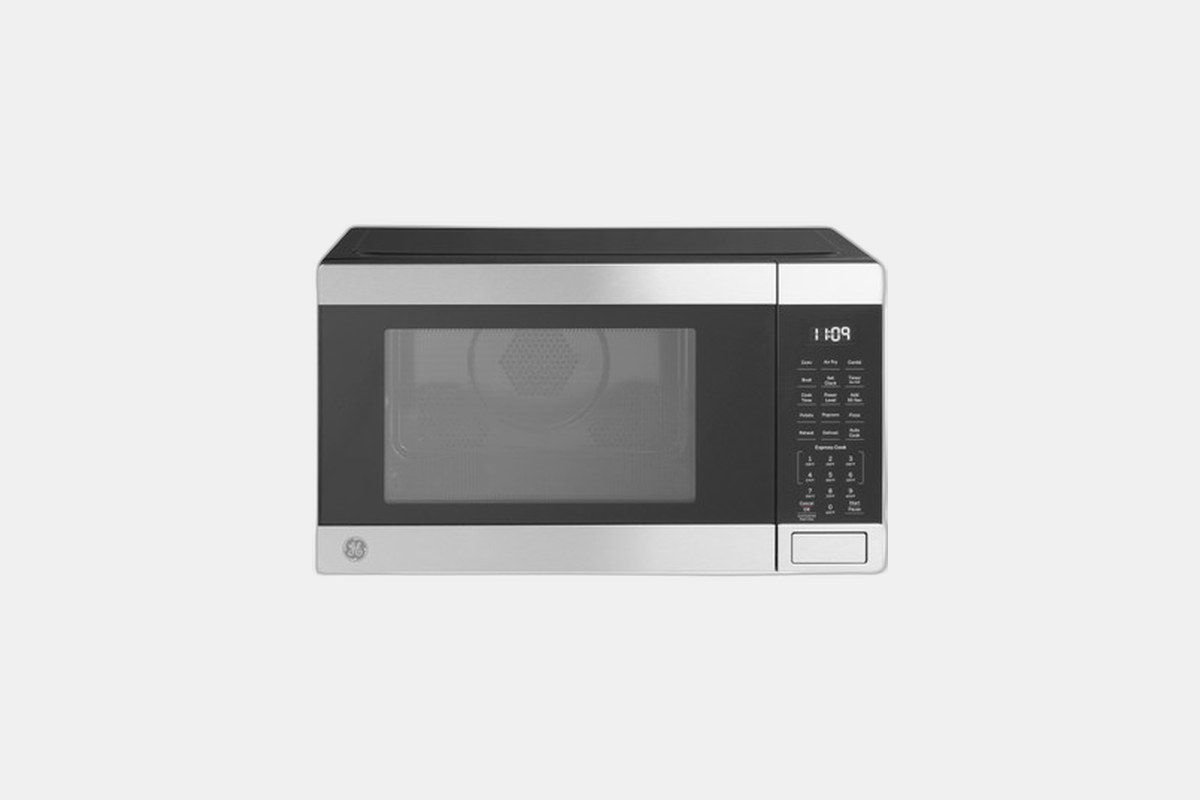
This GE model runs about $215 and does a lot more than just microwave. It’s also a convection oven and an air fryer, which is great for saving counter space. I love being able to make crispy fries or roast some vegetables without firing up my big oven.
It’s a great all-around performer. The defrosting is solid, it heats evenly, and it’s not too loud. For the price, getting three appliances in one is a pretty sweet deal.
The Downside: The heating speed is just okay. It gets the job done, but it’s not going to win any races.
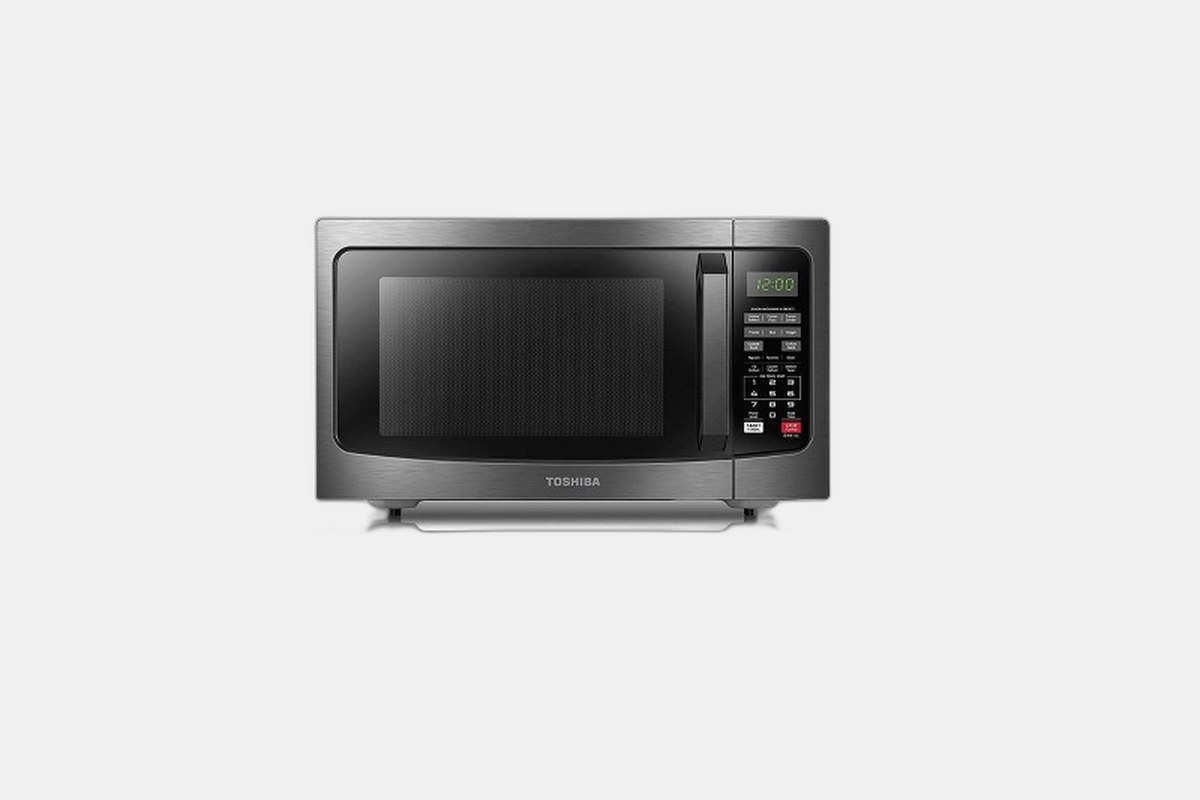
At around $140, this Toshiba is probably the best value on the list. It’s what I’d recommend to anyone who just wants a great, no-fuss microwave without spending a ton. It’s surprisingly fast and cooks evenly.
It even has a humidity sensor, which automatically adjusts the cooking time for things like vegetables so they don’t get rubbery. The interior is also really easy to wipe clean. It’s just a workhorse.
The Downside: The look is pretty basic. It’s not going to win any design awards, but it functions perfectly well.
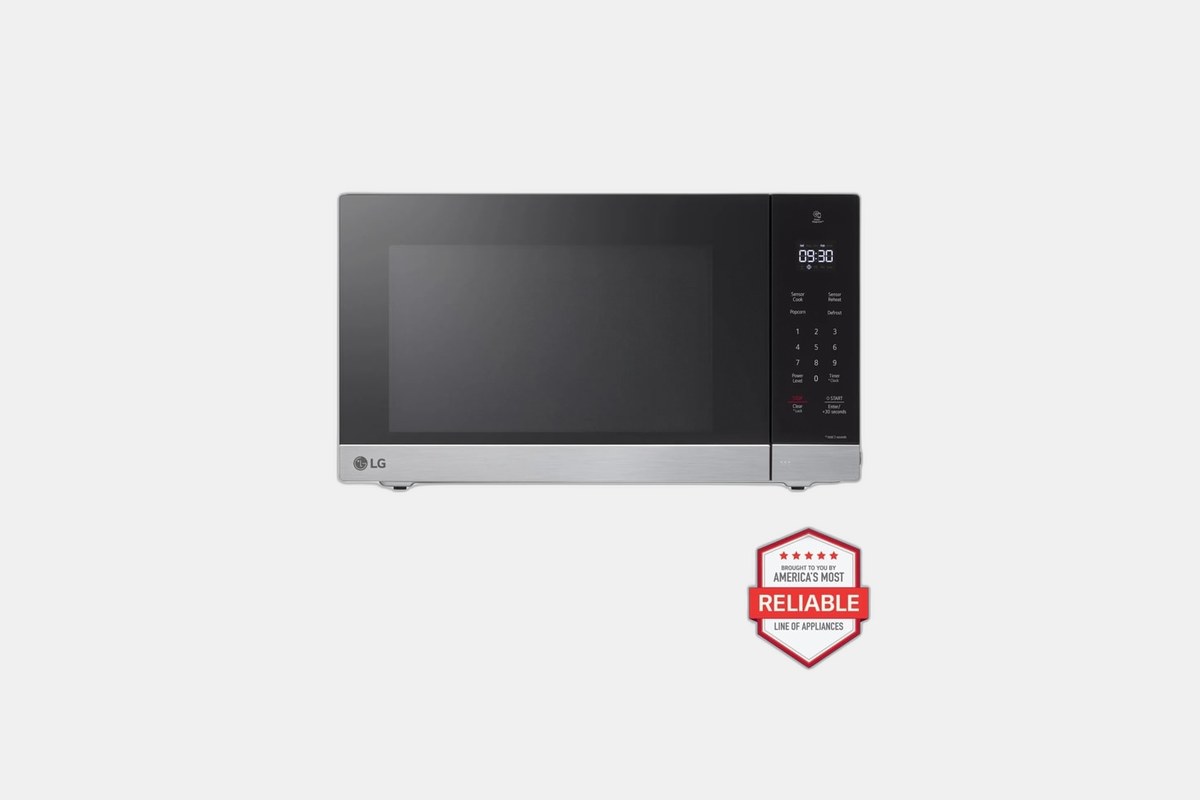
The LG NeoChef is about $290 and is a really solid choice for everyday use. It’s super quiet and gets top marks in tests for heating food evenly, which is one of the most important things for me. No more stirring my soup halfway through.
The sensor cooking takes the guesswork out of reheating leftovers, which is a feature I use all the time. It’s a reliable machine that just works as it should, day in and day out.
The Downside: For whatever reason, owner satisfaction scores aren’t as high as for other models. It seems to be a solid performer, but maybe it just doesn’t wow people.

For about $110, this Commercial Chef model is a fantastic budget pick. It’s perfect for a dorm room, a workshop, or if you just don’t use a microwave that often and don’t want to invest much.
It does all the basic things really well. It heats food without creating weird hot spots, the defrost setting works fine, and the controls are super simple to understand. You’re not paying for any fancy features, just a machine that does its job.
The Downside: It’s a bit on the slow side for heating. You’ll need to add an extra 20-30 seconds compared to more powerful models.
This Panasonic model costs around $200. It’s a great option if you don’t have a ton of counter space but still want a powerful, 1200-watt machine. It heats things up fast and, like its bigger cousin, cooks very evenly.
The inverter technology really seems to make a difference in preventing those overcooked edges and frozen centers. It’s a reliable and compact powerhouse.
The Downside: The viewing window is pretty dark and small, making it tough to see what’s going on inside. You have to squint to check if your butter is about to explode.

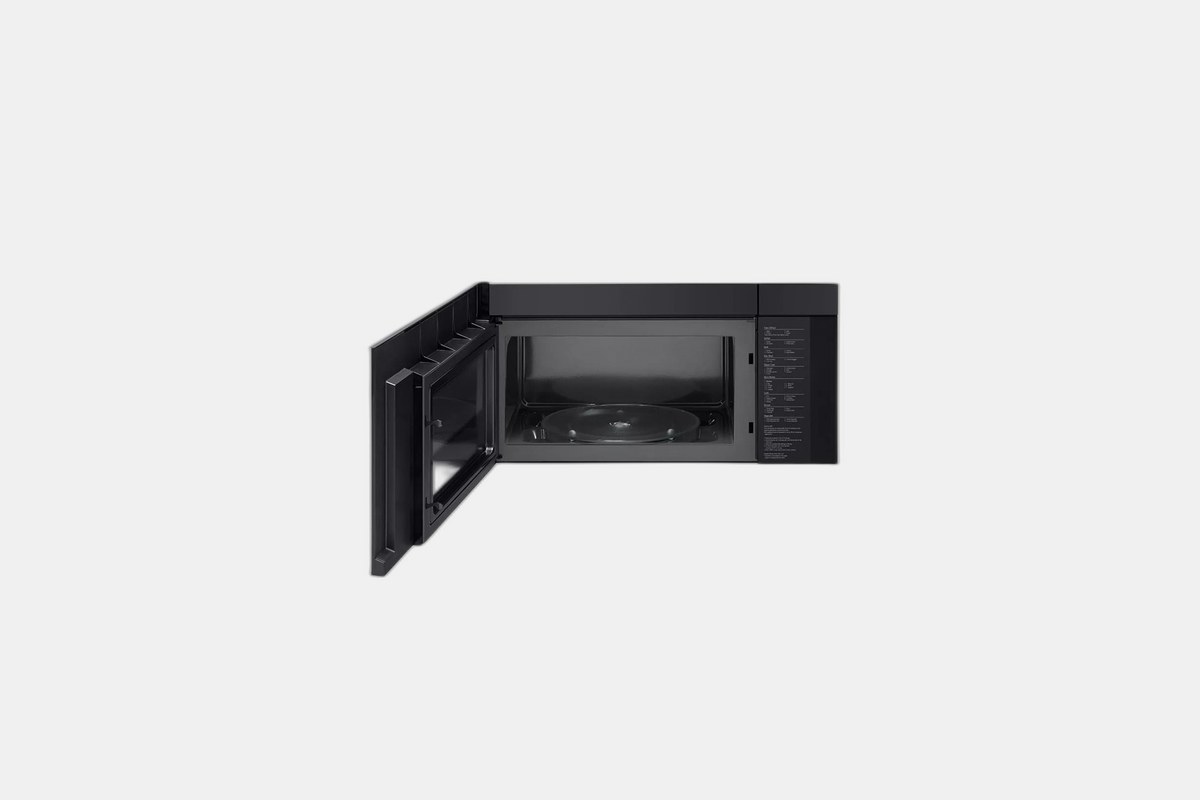
At $350, this LG over-the-range microwave is a lifesaver for smaller kitchens. Getting that big box off my counter was one of the best things I did for my kitchen workflow. This one is consistently rated at the top for OTR models.
It’s quiet, heats evenly, and does a great job defrosting. It does exactly what you need it to do while freeing up valuable prep space.
The Downside: The built-in vent fan is just average. If you do a lot of heavy stovetop cooking, you might want a more powerful, dedicated hood.
This Whirlpool OTR model is a great deal at $259. It’s a perfect replacement if your old built-in microwave finally gave up. It doesn’t have a lot of bells and whistles, but it’s a dependable workhorse from a brand I trust.
It has plenty of power and a clean, streamlined look that fits well in most kitchens. Sometimes you just need something simple that works, and this fits the bill perfectly for a kitchen update on a budget.
The Downside: The feature set is very basic. You’re not getting sensor cooking or any fancy presets with this one.
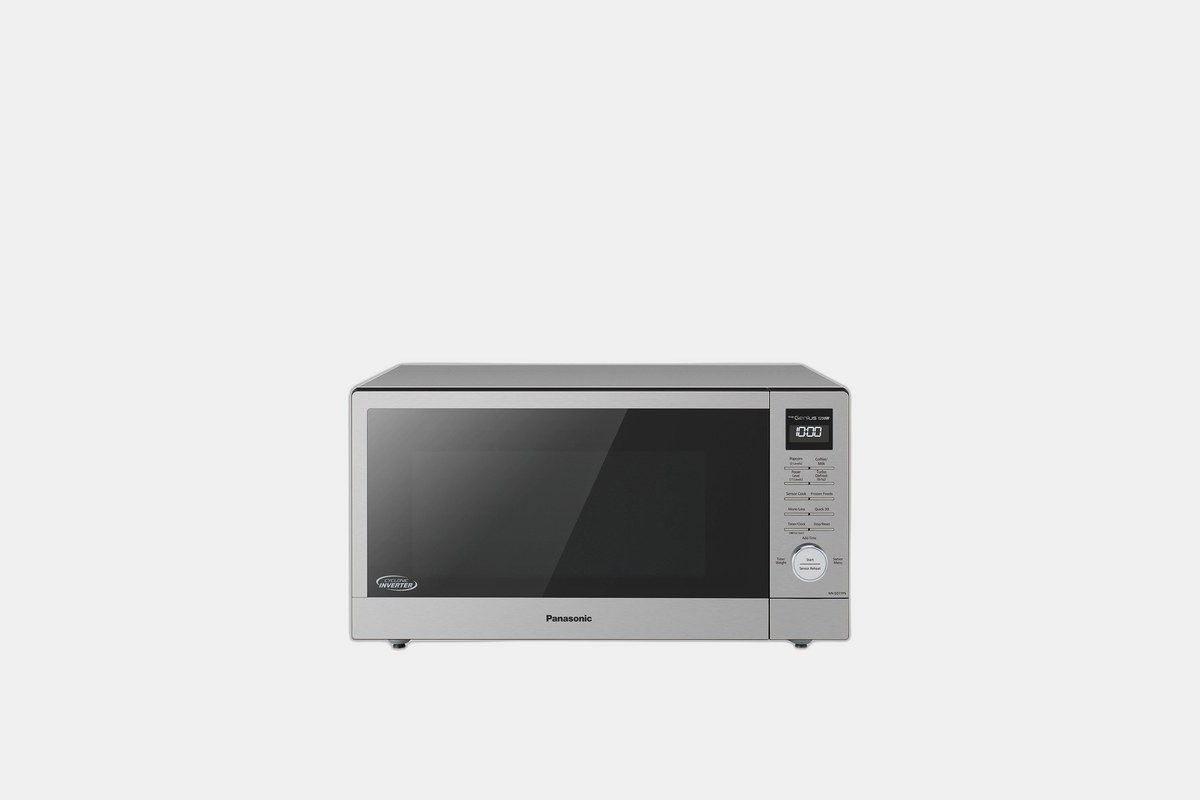
Priced at $250, this Panasonic is another winner. What I really like about this one is the control dial. Instead of endlessly tapping a plus-30-seconds button, you just turn the knob. It’s so much faster and more intuitive.
My parents have this one, and they love how simple it is to use. It’s also a fantastic performer, with the same even heating and speed I expect from Panasonic. It’s a great pick for anyone who hates complicated button layouts.
The Downside: It lacks the more advanced features like air frying or convection that you can find on other models in a similar price range.
The first thing I always check is the wattage. Anything under 1,000 watts is going to feel slow. Most of the ones I like are in the 1,100 to 1,250-watt range, which seems to be the sweet spot for heating things quickly without being overkill.
Then I think about size, both inside and out. You need to measure your counter space, of course. But also think about what you put inside. If you use large dinner plates or big casserole dishes, bring one to the store or check the interior dimensions online to make sure it will fit and still be able to turn.
Finally, I consider the features. I personally love sensor reheat because it takes the guesswork out of warming up leftovers. But I don’t need 20 different presets for things I’ll never make. Simple, useful functions are always better than a cluttered control panel full of buttons I’ll never touch.
The Best Over-the-Range Microwaves
The 5 Best Flatware Sets
The 6 Best Stainless-Steel Cookware Sets
The 8 Best Glass Food Storage Containers
Leave a Reply