The 10 Best Retractable Awnings
The 10 Best Retractable Awnings

A good pool cover is one of the best investments you can make for your pool. I learned that the hard way after my first season of constantly skimming leaves and paying insane heating bills. It’s not just about keeping junk out; it’s about saving money and time.
There are a few different types, from the bubble-wrap-looking solar covers that heat the water to heavy-duty safety covers that can support a person’s weight. What you need really depends on your pool, your climate, and whether you have kids or pets running around.
I’ve tried a few different kinds over the years and talked to neighbors about what they use. After a lot of research and real-world use, here are the best pool covers I’ve found for 2026.
Solar covers are fantastic for warming up the water and cutting down on evaporation. They look like giant sheets of bubble wrap and just float on the surface. They won’t keep kids safe, but they will extend your swimming season.
This one costs about $80. I used a clear cover like this for a while and was shocked at how fast it heated the water. The sunlight punches right through and warms everything up a few extra degrees.
It’s a solid 12 mils thick, so it doesn’t feel flimsy when you’re pulling it across the pool. They give you a little extra material, which is nice because I could trim it for a perfect fit on my 18-foot round pool.
The Downside: Because it lets so much sun through, it doesn’t block UV rays well. I definitely noticed I was using more chlorine to keep things balanced.
At around $70, this is a great budget-friendly solar blanket. It’s not clear, so it blocks some UV rays while the bubbles still do a good job of absorbing heat. It’s a nice middle ground.
Just like the Sun2Solar, it’s pretty durable and easy to trim if you have an odd-shaped pool. For the price, it holds up really well for a season or two.
The Downside: After a couple of years of dragging it on and off, some of the bubbles started to pop and get brittle. It’s expected for the price point, but just be aware.
You can’t beat the price on this one, which is usually about $40. If you have one of those popular Intex or other framed above-ground pools, this is a perfect fit right out of the box.
It has these little drain holes that prevent water from collecting on top, which helps it lay flat. The blue color helps stop some UV and it does a decent job of keeping the heat in overnight.
The Downside: It’s cut pretty precisely for an 18-foot pool, so there’s not much extra material if you need to trim it for a slightly different size.
This cover runs about $120, and it’s a real step up in quality. It’s 16 mils thick, and you can feel the difference. The bubbles are bigger and it holds onto heat much better when the temperature drops at night.
I found this one to be way more tear-resistant than the cheaper ones. If you plan on using a solar reel and want a cover that will last for several seasons, this is a solid choice.
The Downside: It’s noticeably heavier and stiffer than the 12-mil versions. It was a bit of a pain to fold up and move by myself.
For around $110, this is another heavy-duty option focused on saving your chemicals. The deep blue color is great for blocking sunlight, which means your chlorine lasts longer. It still lets enough heat through to warm the pool, too.
It has tiny “micro-bubbles” that are supposed to provide better insulation. I can’t say if the bubble shape made a huge difference, but it definitely felt thick and well-made.
The Downside: Like the other 16-mil covers, it’s heavy. It’s more of an effort to get it on and off the pool compared to the lighter options.
This heavy-duty cover costs about $100. My neighbor swears by this one. He said it raised his water temperature by almost 10 degrees, which is pretty amazing.
It’s another thick, 1600 series cover, so it’s built to last. It’s very effective at stopping evaporation, which saves a ton of water over the summer, and it keeps the pool cleaner, too.
The Downside: The initial cost is higher than a basic cover, so it’s more of an investment upfront.
At just $60, this is a great no-frills solar cover. It does exactly what you expect: warms the water and stops evaporation. There’s nothing fancy about it, but it works.
It’s easy to handle and cut to size. If you just want to get a couple more weeks of swimming in at the start and end of the season without spending a lot, this is a good way to go.
The Downside: It’s not as thick or durable as the 1600 series covers. You’ll probably be replacing it every two seasons or so.
If you need to close your pool for the winter or have serious safety concerns, a solar cover won’t cut it. You need a proper safety cover or a dedicated winter cover that anchors to the deck or pool frame.
This is a serious investment at around $1,500, but it’s for safety. These are custom-fit to your inground pool and anchored into the concrete. They meet safety standards, giving you peace of mind if you have children.
The mesh material is great because it blocks almost all sunlight and debris, but it lets rain and snowmelt drain through. That means no gross swamp water sitting on top all winter. It also cuts evaporation and chemical use by over 95%.
The Downside: It’s expensive, and you absolutely need a professional to install it correctly. This isn’t a DIY job.
For about $90, this is what you need for closing an above-ground pool. It has a generous overlap (about 3 feet) so you can secure it tightly with the included cable and winch. It keeps all the fall leaves and gunk out.
The mesh lets water through, which prevents a heavy, saggy mess from forming in the middle after a rainstorm. It’s a simple, effective solution for winterizing.
The Downside: These are made for specific standard round pool sizes. If you have a custom shape, this won’t work.
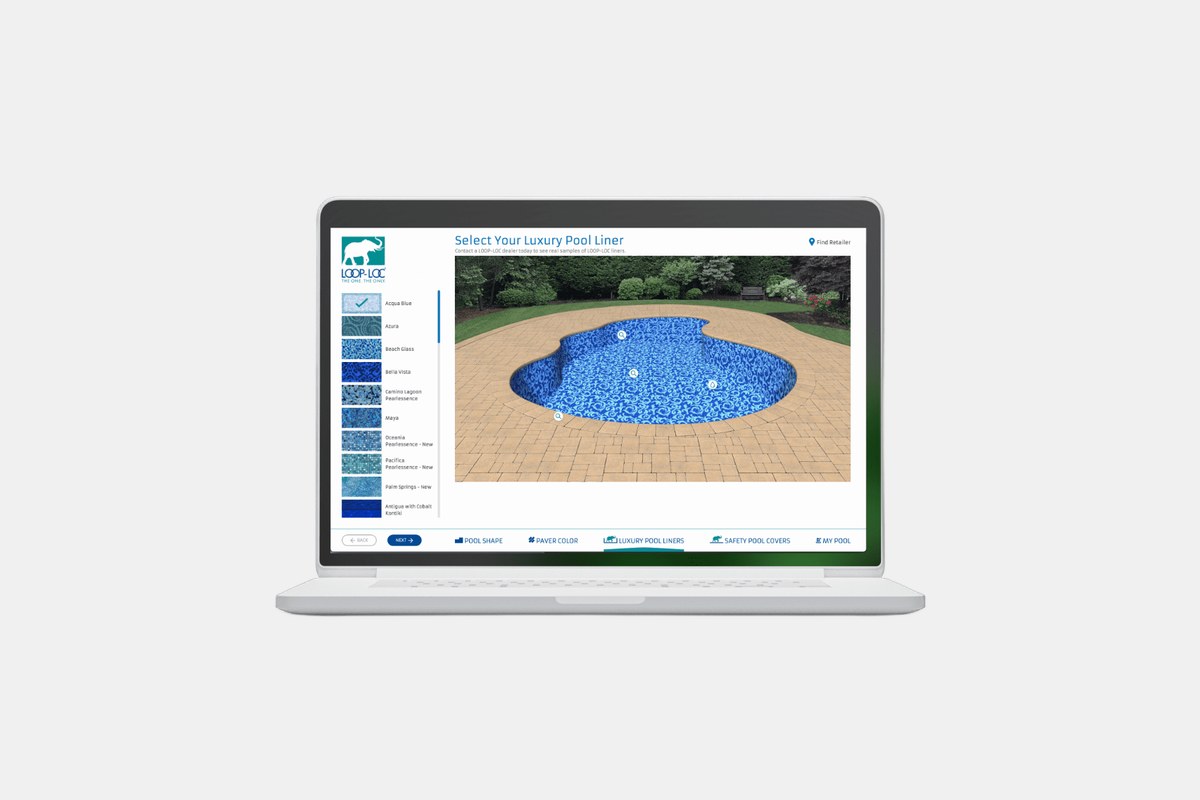
This is the top-of-the-line safety cover, often costing $2,000 or more. Loop-Loc is famous for its strength; they have pictures of an elephant standing on one. I wouldn’t try it, but it shows how secure they are.
It’s a super-dense mesh that blocks debris and sun while still letting water drain. They are custom-made for a perfect, tight fit on any inground pool, and the quality is unmatched.
The Downside: This is one of the most expensive options on the market, and like other safety covers, it requires professional installation.
So, how do you choose? It really comes down to your main priority. Are you just trying to warm the water and save on the water bill during the summer? A solar cover is perfect.
If safety is your number one concern because of kids or pets, you have to go with a real safety cover like a Loop-Loc or Pool Guard. They cost a lot, but you can’t put a price on peace of mind. For winterizing, a simple mesh or solid winter cover does the job just fine.
Whatever you pick, a cover makes pool ownership so much easier. You’ll spend less time skimming and more time actually enjoying the water. For me, that alone makes it worth every penny.
The 10 Best Retractable Awnings
The 11 Best Pool Floats
The 10 Best Pool Lights
The 5 Best Pool Thermometers