The 10 Best Lawn Edgers
The 10 Best Lawn Edgers

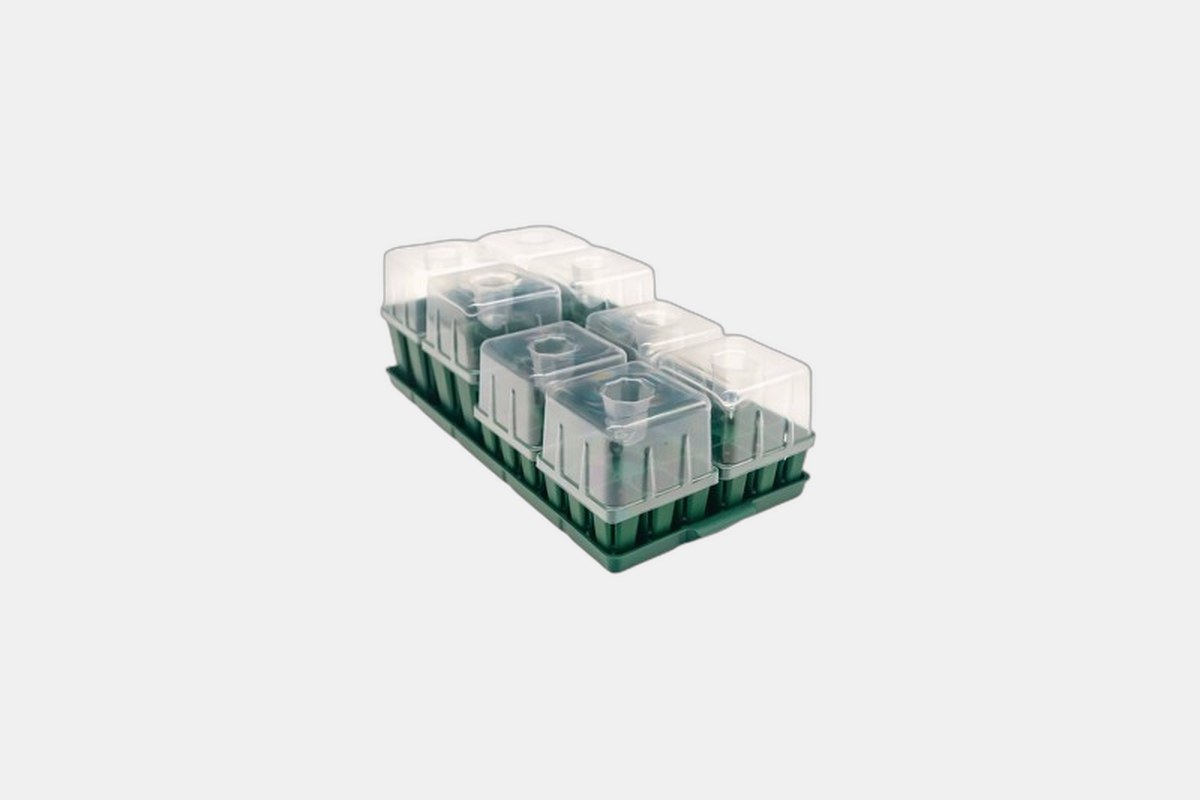
I’ve learned the hard way that a good seed starting tray is one of the best investments you can make for your garden. For years, I used those flimsy black trays from the big box store. They’d crack by the end of the season, and I’d be buying new ones every single spring. What a waste.
Once I finally spent a little more on a sturdy, reusable system, everything changed. My germination rates went up, my seedlings were stronger, and I wasn’t creating a pile of plastic trash every year. It just makes the whole process of starting seeds indoors so much less frustrating.
So, after trying dozens of different kinds over the years for my own vegetable and flower gardens, I’ve put together a list of the ones that actually work. Whether you’re a beginner just starting a few herbs on a windowsill or you’re planning a massive garden, there’s a tray here that’s right for you.
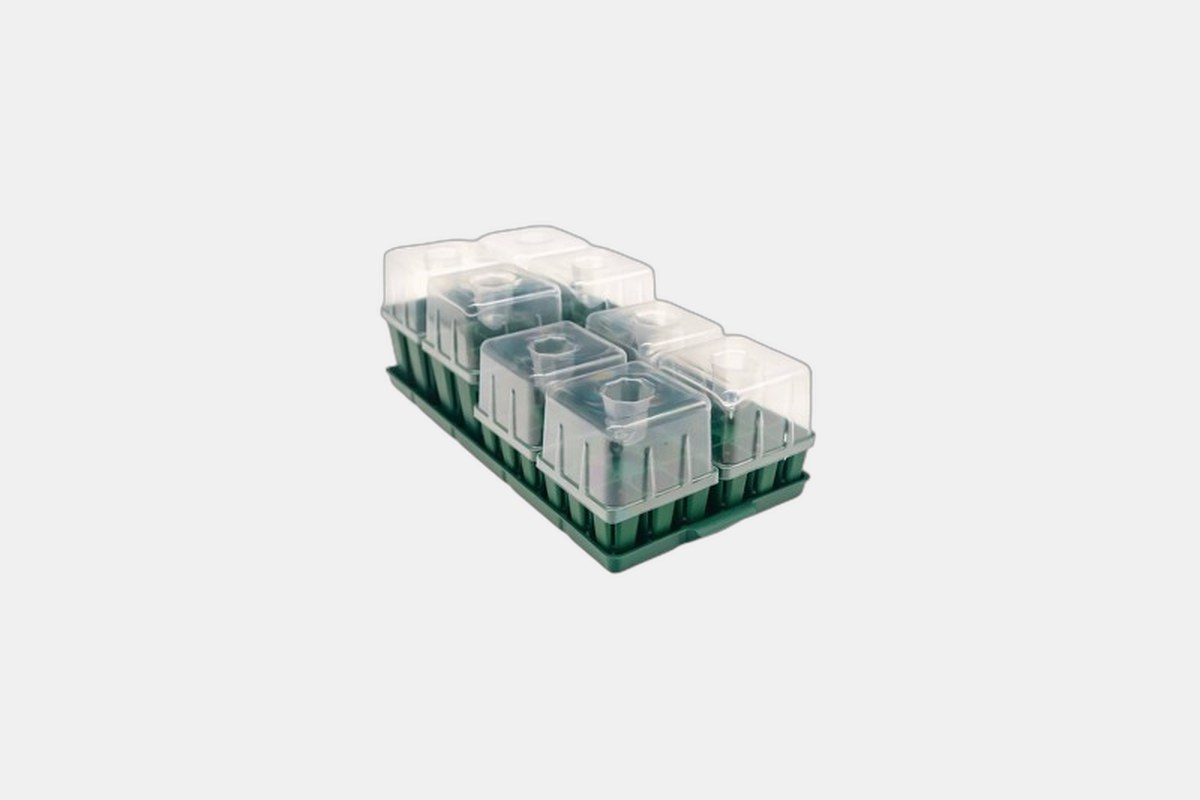
The Vego bundle costs about $80, and it’s what I’d recommend for a serious gardener. This isn’t a one-and-done tray; it’s a whole system. The plastic is super thick and feels like it will last a decade, easy.
What I really love are the individual domes for each seedling pod. This is perfect when you’re starting peppers that love high humidity right next to something that doesn’t. The slits in the sides of the cells also air-prune the roots, which gives you a much healthier plant with no root circling. It’s a fantastic design.
The Downside: The price is steep if you’re just dipping your toes into seed starting. It’s a real investment.

At around $15, this is probably the kit most of us started with. And for good reason! It’s incredibly simple and clean. You just add water to the little peat pellets, and they swell up, ready for seeds. No bags of potting mix to lug around.
It’s perfect for a first-timer or for doing a small project with kids. The clear dome holds in humidity to get things sprouting, and you really can’t mess it up. It’s cheap, and you can find it almost anywhere.
The Downside: The plastic tray and dome are super thin. Don’t expect to get more than one, maybe two, seasons out of it before it cracks.
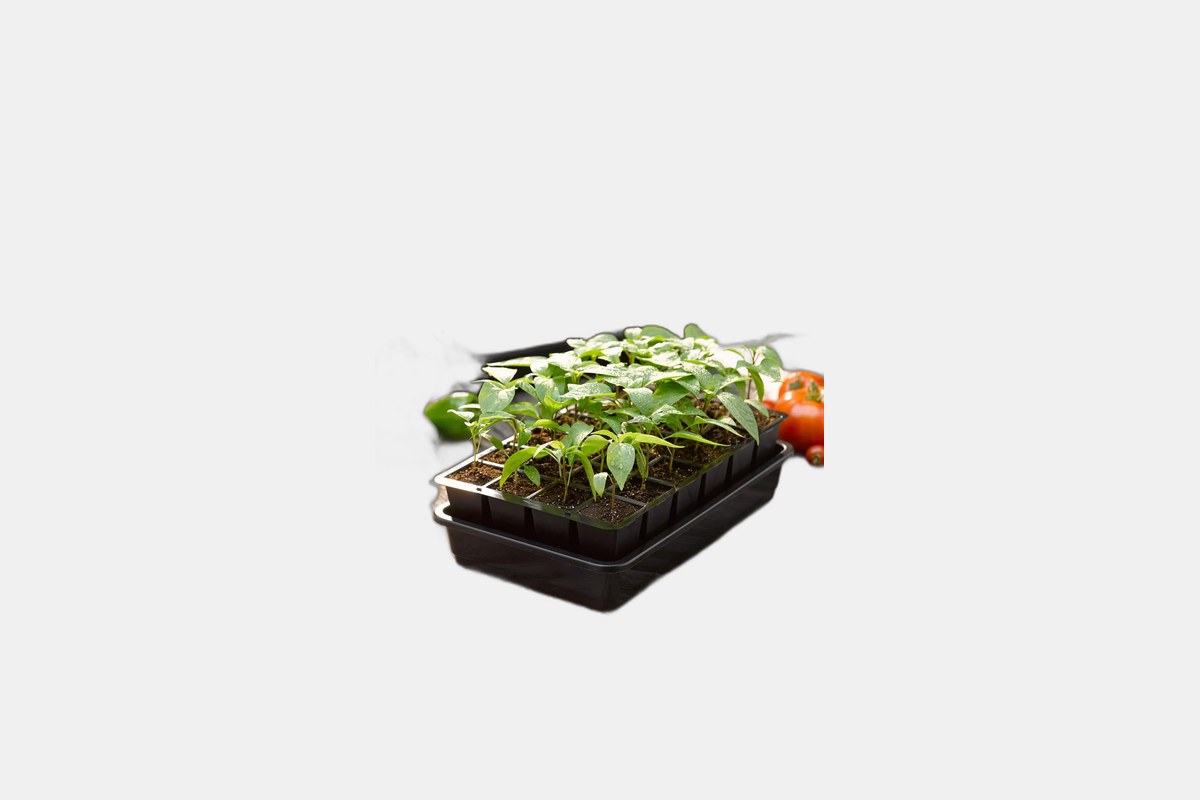
This kit from Gardener’s Supply is about $40. Its best feature is the self-watering capillary mat. You fill the reservoir, and the mat wicks water up to the seedlings as they need it. This totally prevents overwatering, which is how I killed a lot of my early seedlings.
The plastic is much more durable than the cheap kits, and the compact size is great for an apartment or if you just don’t have a ton of space. It’s a great low-maintenance option if you’re busy or a bit forgetful with watering.
The Downside: The dome doesn’t have vents to release excess humidity. And I’ve found getting the seedlings out of the cells can be a little tricky without pulling on the stem.
The Park Seed Bio Dome runs about $35. Instead of soil, this one uses little planting sponges that are super easy to handle and make zero mess. This is a big plus when you’re starting seeds on the kitchen counter.
I like the big, tall dome that gives seedlings plenty of room to grow, and it has two adjustable vents on top. This gives you great control over airflow and humidity, which helps prevent fungus and mold issues like damping-off.
The Downside: You have to keep buying their specific bio sponges, which adds to the cost over time compared to just buying a bag of seed starting mix.
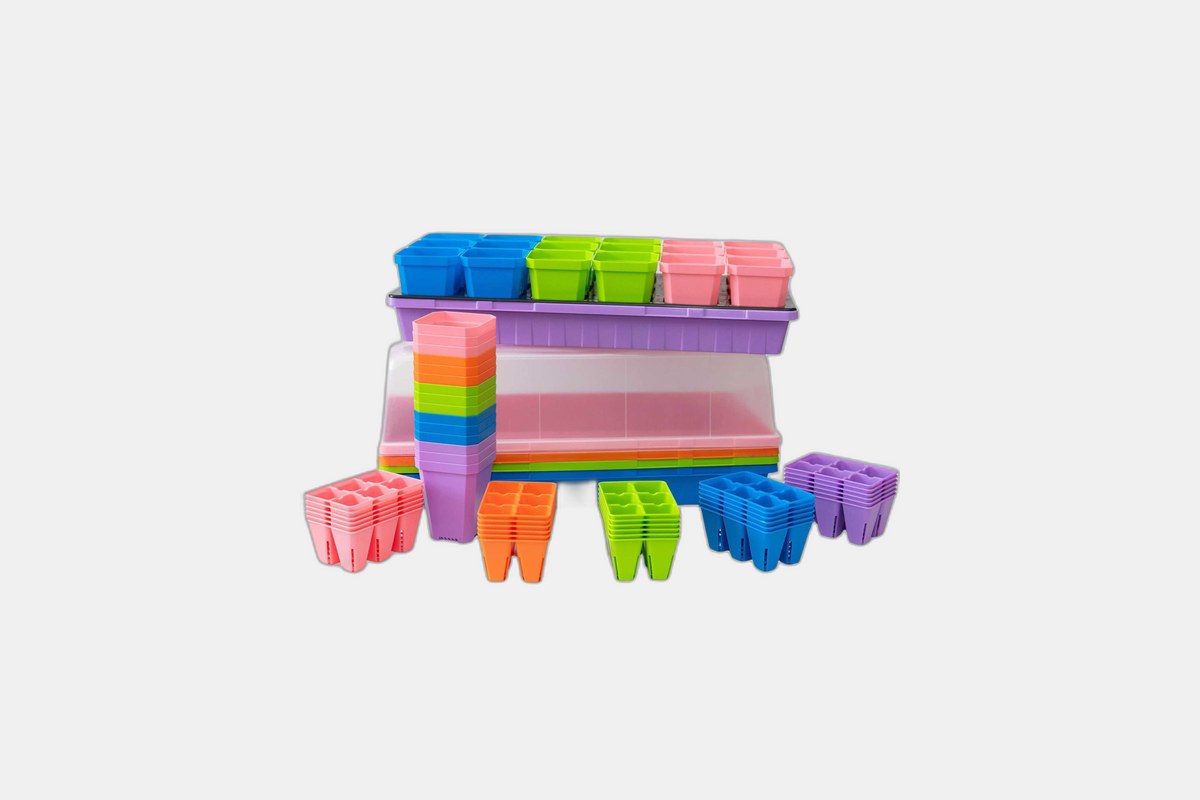
Okay, this bundle from Bootstrap Farmer is a whopping $250, so it’s not for everyone. This is for the gardener who is tired of buying new trays every year and is scaling up. These are professional-grade trays that will literally last a lifetime. You can twist them, drop them, and they won’t break.
The kit comes with everything—multiple cell sizes, bottom trays, and domes. The color-coded trays are surprisingly helpful for keeping track of all my different tomato and pepper varieties. The air-pruning cells also lead to much better root systems when it’s time to plant out.
The Downside: The price. It’s a huge upfront cost, but if you’re a serious gardener, it’s cheaper in the long run than replacing flimsy trays year after year.
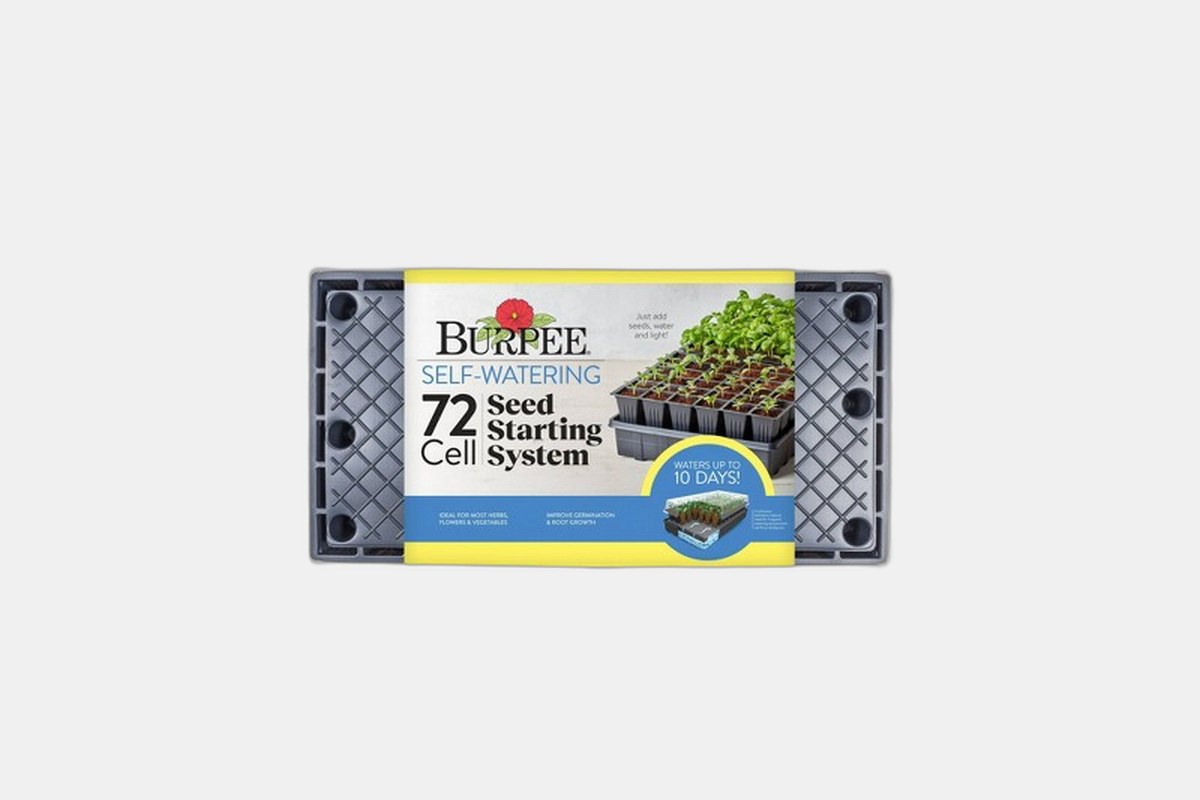
For about $30, this Burpee self-watering system is a solid deal. Like the Gardener’s Supply kit, it uses a capillary mat to keep the soil perfectly moist. It takes the guesswork out of watering, which is awesome when you’re busy.
With 72 cells, you can start a lot of plants in a pretty small footprint. I use systems like this for starting flats of lettuce, broccoli, and flowers that I’ll be planting in large numbers. It really simplifies the process.
The Downside: The cells are quite small. They’re fine for smaller plants, but things that need more root space, like tomatoes or squash, will need to be potted up pretty quickly.
This little tray is around $20 and is designed specifically for a windowsill. It’s narrow and long, so it fits perfectly in that sunny spot. The cells are extra-deep and wide, which is fantastic for things that need a strong root system like tomatoes and peppers.
My favorite feature is the silicone bottom. You can just push up from the bottom, and the seedling pops right out, soil and all, without any root damage. It’s a really smart design for such a small tray.
The Downside: It only has eight cells, so you can’t start a lot of plants with it. It’s really just for a few special plants.
This 12-pack from Bonviee costs about $25, making it a great budget option if you need to start a ton of seeds. You get 12 complete mini-greenhouses, each with its own tray, cell insert, and vented dome.
I was surprised that even at this low price, the domes have adjustable vents to control humidity. The base trays are solid and don’t leak, so they’re safe to use indoors on shelves or tables. It’s a very cost-effective way to get a lot of seeds going.
The Downside: The plastic is pretty thin. It’s a step up from the super flimsy Jiffy tray, but you’ll still need to be careful with them if you want them to last.
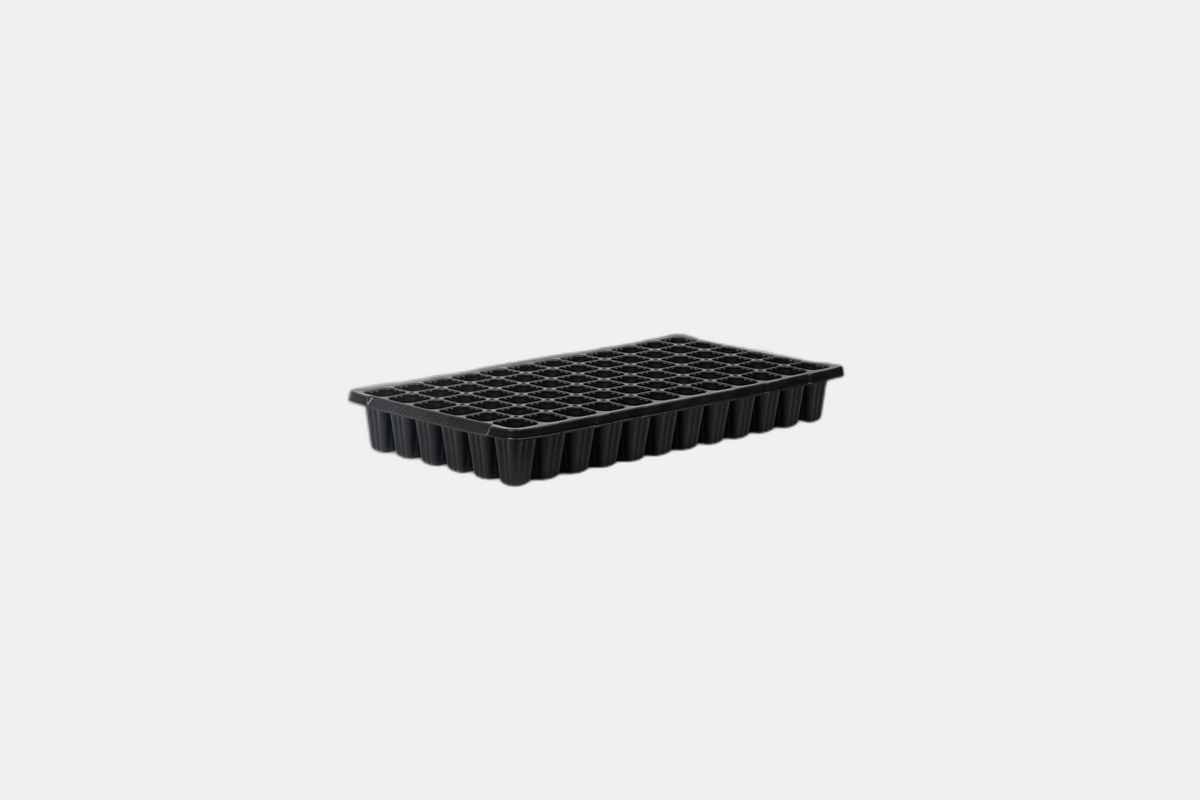
A single tray insert is about $12. This is just the 72-cell insert, but it’s made from Bootstrap Farmer’s signature bomb-proof plastic. If you already have standard 1020 bottom trays, this is the best way to upgrade your system for durability.
The square cells with tapered sides make it easy to remove seedlings, and I’ve found they prevent roots from circling much better than round cells. I bought a bunch of these three years ago, and they still look brand new despite heavy use.
The Downside: It’s just the insert. You need to already have or buy a separate bottom tray to hold water.

A pack of these costs about $10. If you’re trying to avoid plastic, CowPots are a fantastic alternative. They are made from composted cow manure and are 100% biodegradable. You just plant the entire pot directly in the garden.
This is perfect for plants that hate being transplanted, like cucumbers, squash, and melons. There’s zero root disturbance, so the plants don’t suffer any transplant shock. They’re surprisingly sturdy when dry, but soften up in the soil for roots to grow through.
The Downside: They dry out much faster than plastic cells, so you have to stay on top of watering. And yes, they have a faint “farmy” smell when they get wet, but it fades.
The biggest thing I look for now is durability. I want a tray made from thick, sturdy plastic that I can reuse for years. It might cost more at first, but it saves money and hassle in the long run. Bootstrap Farmer and Vego are the best I’ve found for this.
Cell size is another big deal. Small cells are fine for lettuce or onions, but tomatoes, peppers, and squash need more room for their roots to develop. If the cells are too small, you’ll have to “pot up” your seedlings into bigger containers, which is an extra step I’d rather avoid.
Finally, think about features that make your life easier. Self-watering systems are amazing if you’re forgetful. Vented domes give you better control over the growing environment. And little things, like the silicone bottoms on the Burpee tray, can make a surprisingly big difference.
The 10 Best Lawn Edgers
The 48 Best Gifts for Men
The 10 Best Succulent Soils
The 39 Best Hostess Gifts