The 5 Best Car Vacuums
The 5 Best Car Vacuums

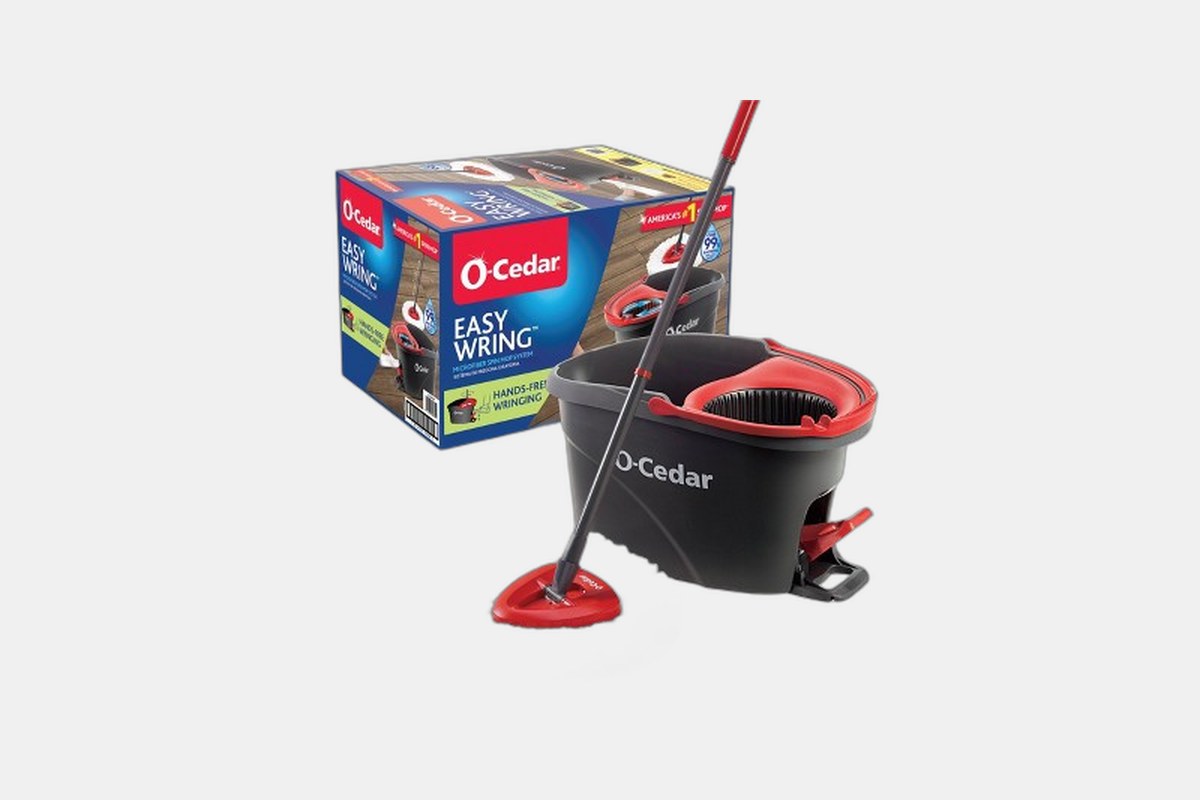
Let’s be honest, mopping is a chore nobody really looks forward to. For years, I used a soggy string mop and a bucket of sloshing, dirty water, and my floors never felt truly clean. But thankfully, we’re living in a golden age of floor cleaning mops, and the right tool can make a huge difference.
I’ve tested a ton of these on my own floors—a mix of hardwood in the living room and tough-as-nails tile in the kitchen and mudroom. After countless spills, muddy paw prints, and general family messes, I’ve figured out which ones actually work. These are the best mops I’ve found for 2026 that make cleaning faster, easier, and a lot less miserable.
These are the mops I find myself reaching for most often. They’re versatile, effective, and just plain easy to use for everyday cleaning around the house.
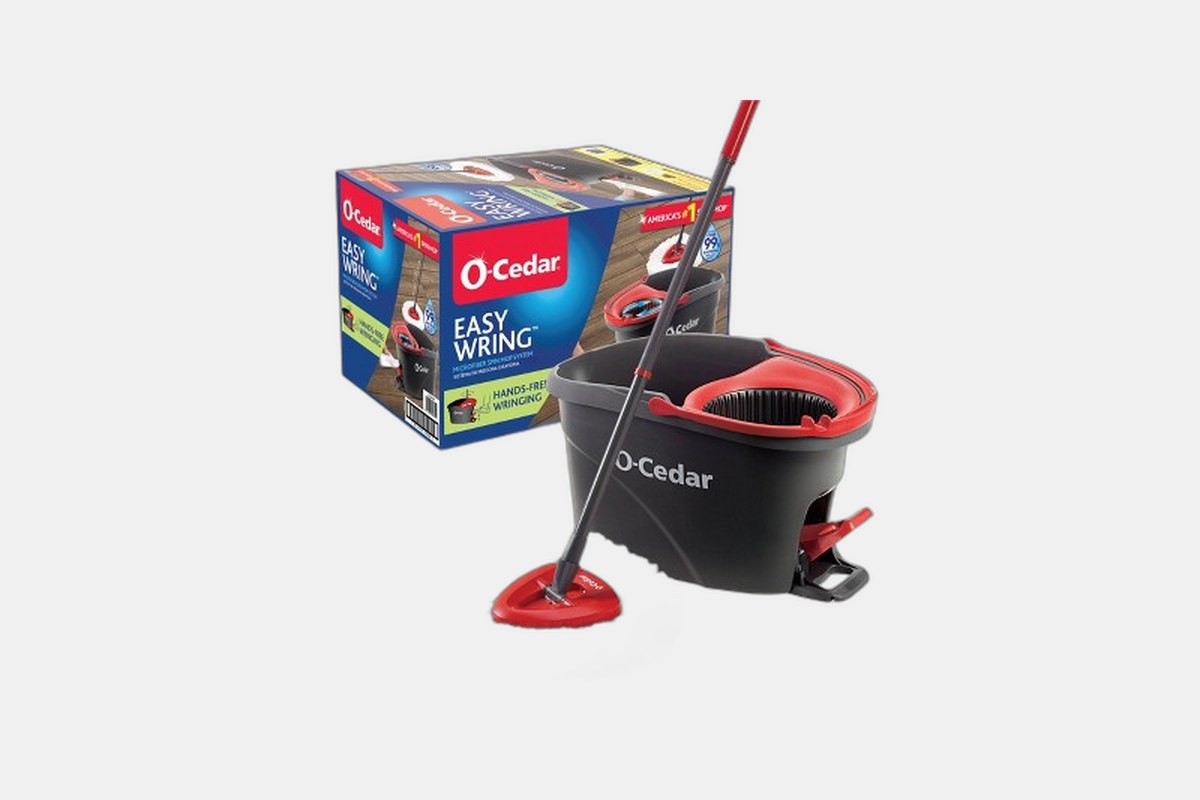
This system costs about $40, and it’s popular for a reason. I love that I don’t have to touch the dirty mop head or bend over to wring it out. You just pop it in the spinner and push the foot pedal—it gets the mop as damp or as dry as you want.
The triangular head is great for getting right into corners, which my old round mops always missed. It cleans really well with just hot water, so I don’t have to buy special cleaners. It’s my go-to for deep cleaning my tile and sealed hardwood floors.
The Downside: The bucket is effective but a bit bulky. You’ll need a dedicated spot in a closet or utility room to store it.
At around $55, this mop is a dream for my hardwood floors. It’s incredibly lightweight, and the head is extra large, so I can clean the whole living room in just a few minutes. It swivels so easily around furniture legs and gets right up to the baseboards.
The best part is how it leaves my floors looking totally streak-free, just clean and shiny. The microfiber pads are machine washable, and they seem to last forever. I’ve been washing the same two pads for over a year and they still work great.
The Downside: It really does work best with Bona’s own cleaning solution. While you can technically use other cleaners, you won’t get that same perfect, streak-free finish.
For just $25, this is one of the best deals in floor care. I keep this one handy for quick cleanups in the kitchen. The bottle on the front is refillable, so I can use my own mix of vinegar and water or any other floor cleaner I have on hand.
It’s a simple, no-fuss tool. The microfiber pad picks up a surprising amount of dirt and dust. It’s sturdy enough for some real scrubbing, too, which is great for sticky spots on the laminate in our basement.
The Downside: If you’re cleaning a really dirty floor, you’ll probably have to stop and rinse the pad out or swap for a clean one halfway through.
Sometimes you need a little more power. For sanitizing tile, erasing sticky messes, or just saving your back from scrubbing, these electric and steam mops do the hard work for you.
The Bissell SpinWave is about $130, and it’s worth it if you have pets or kids. Instead of you pushing a mop back and forth, this one has two spinning pads that do all the scrubbing. It feels like you’re just gliding it across the floor while it does the work.
It has completely saved me from getting on my hands and knees to scrub dried-on messes. Spilled juice, muddy paw prints, you name it—the spinning pads lift it right off without any effort from me. It leaves my floors looking polished and clean.
The Downside: It’s cordless, which is great, but the battery only lasts about 20-35 minutes. For my small house it’s fine, but you might need to recharge to do a very large home.

This Shark steam mop costs around $85. I use this in my bathrooms and kitchen where I want to sanitize without using harsh chemicals. It heats up in under a minute and uses just plain tap water to create a powerful steam that blasts away grime.
I love the two-sided mop pads. When one side gets dirty, you just flip the head over and keep going with a clean surface. It’s fantastic for cleaning tile and especially the grout lines that always seem to collect dirt.
The Downside: You have to be careful. Steam is not safe for unsealed floors like some hardwood, laminate, or vinyl, as it can cause damage.

For about $80, this mop does more than just floors. The main body detaches and becomes a handheld steamer with a bunch of different attachments. I’ve used it to clean my tile grout, steam wrinkles out of curtains, and clean the gunk off my stove top.
As a floor mop, it works really well, using steam to sanitize and cut through dirt. It’s a great value because you’re getting multiple cleaning tools in one. It’s a workhorse for deep cleaning days.
The Downside: It takes a bit longer to heat up and start producing steam compared to the Shark model.
You don’t always need a deep clean. For daily spills, specific floor types, or just keeping things simple, these mops fill a perfect niche.
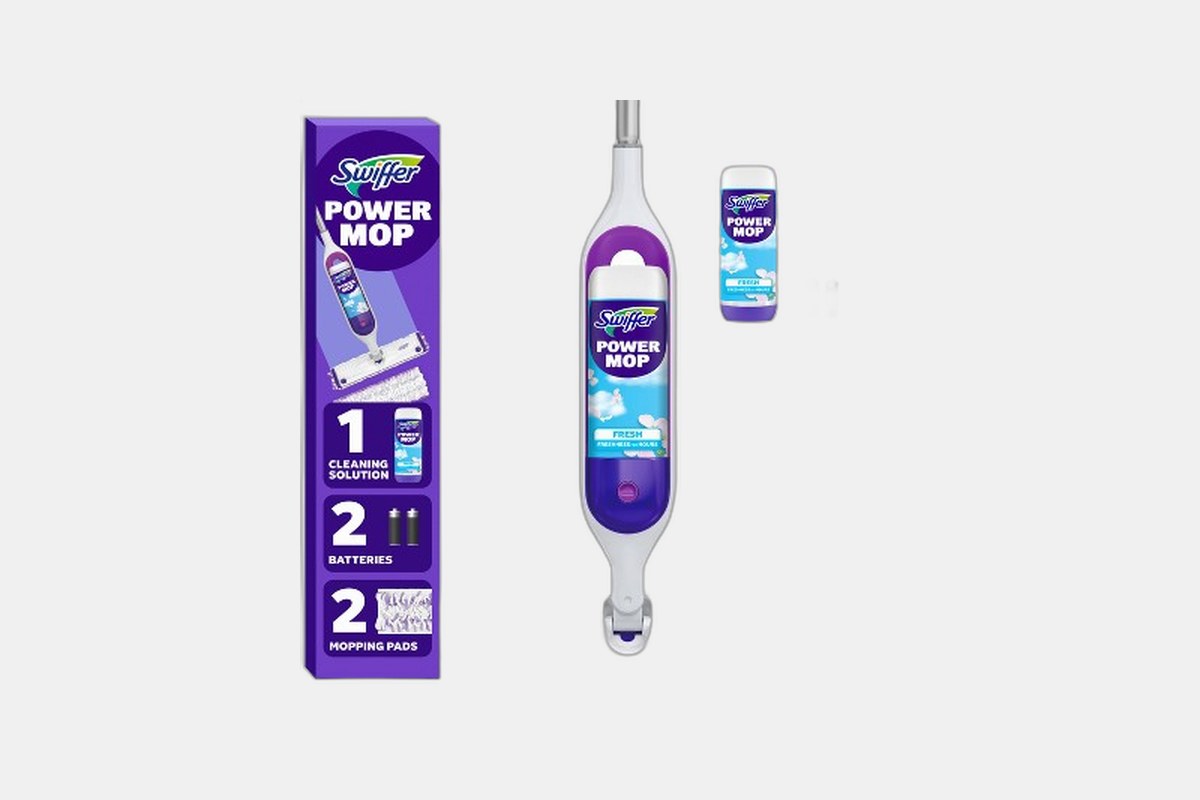
The Swiffer PowerMop kit is only $20, and it’s the definition of convenience. This is what I grab when the dog tracks in mud or someone spills something in the kitchen and I have 60 seconds to clean it up. There’s no bucket, no rinsing, no mess.
You just attach a disposable pad, spray, and wipe. The pads have these little scrubbing strips that are surprisingly good at getting up dried-on spots. And the cleaning solution leaves a nice, fresh scent behind.
The Downside: The convenience comes at a cost. You have to keep buying the disposable pad refills, which can add up over time.
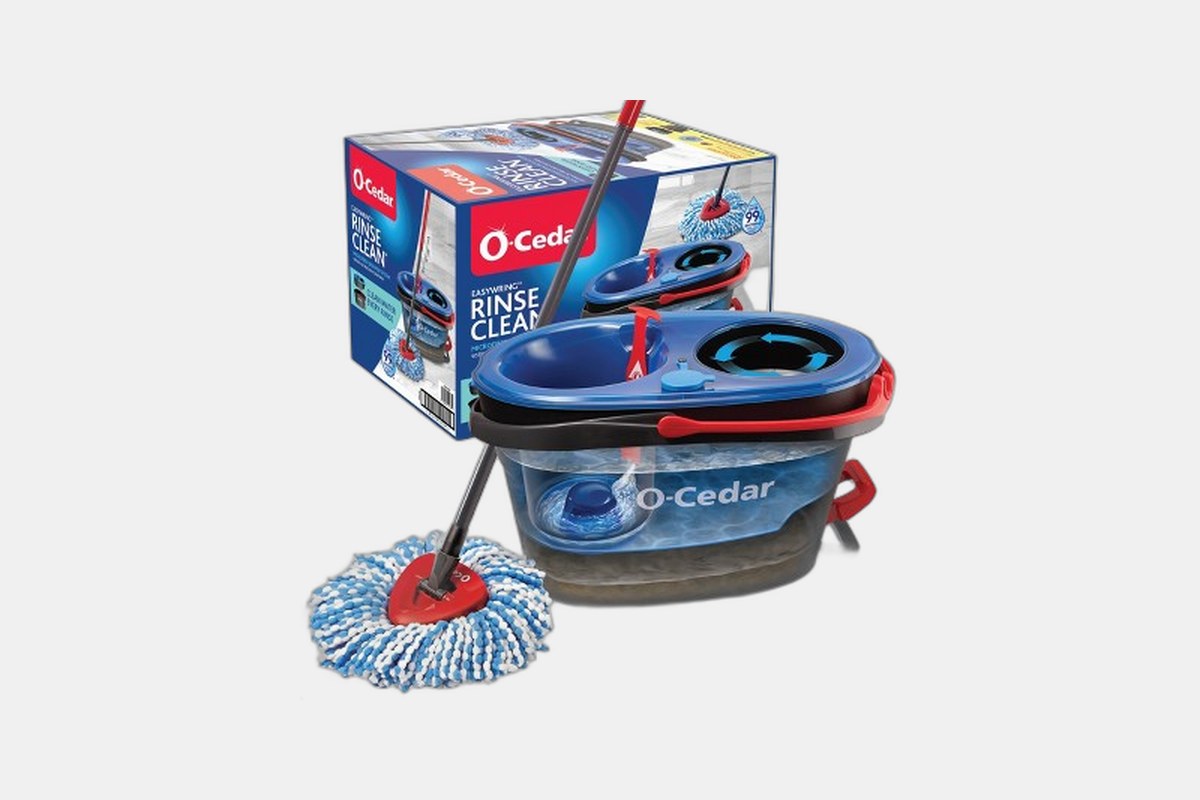
This is the upgraded version of the original O-Cedar, and it costs $50. The big difference is the two-tank bucket system. One side holds clean water and the other collects the dirty water, so you’re never mopping your floor with a dirty mop.
If you have a large area to mop, this is fantastic because the water stays clean the whole time. It has the same great foot-pedal wringer and corner-cleaning mop head as the original. It just provides a much cleaner mopping experience from start to finish.
The Downside: The two-tank system makes an already big bucket even larger and a bit more cumbersome to store.
You can get this classic mop for just $15. Sometimes, you just want a simple, traditional mop that works, and this is it. It’s a step up from an old string mop because the microfiber strips grab way more dirt.
It has a built-in wringer on the handle that you just slide down to squeeze out the water. It’s not as fancy as a spin mop, but it’s simple, cheap, and gets the job done for basic wet mopping on durable floors like tile or vinyl.
The Downside: The manual wringer doesn’t get the mop as dry as a spin system, so it can leave floors pretty wet if you’re not careful.
This spray mop costs around $30. It’s similar in design to the Rubbermaid but feels a little more robust. It’s very easy to use—just spray and wipe. It comes with different pads for dusting, cleaning, and buffing.
I find it works really well for maintaining the shine on my floors between deep cleans. It doesn’t leave streaks and the pads do a good job of picking up dust and pet hair. It’s a solid choice for daily touch-ups.
The Downside: It’s best for light, everyday cleaning. It struggles a bit with really heavy, stuck-on messes that require more scrubbing power.
Finding the right mop really depends on your house and your cleaning style. First, think about your floor types. If you have a lot of unsealed hardwood or delicate laminate, a steam mop is probably not for you. A microfiber spray mop like the Bona or Rubbermaid is a much safer bet.
Also, consider your storage space. I love my O-Cedar spin mop, but the bucket does take up a good chunk of closet real estate. If you’re tight on space, a slim spray mop that can hang on the back of a door is a much better option.
Finally, think about recurring costs. A Swiffer is super convenient, but you’re signing up to buy refills forever. Mops with washable, reusable pads, like the Bona or O-Cedar, cost more upfront but can save you money in the long run. There’s no single “best” mop, just the best one for your home.
The 5 Best Car Vacuums
The 5 Best Portable Carpet Cleaners
The 5 Best Hepa Vacuums
The 10 Best Irons