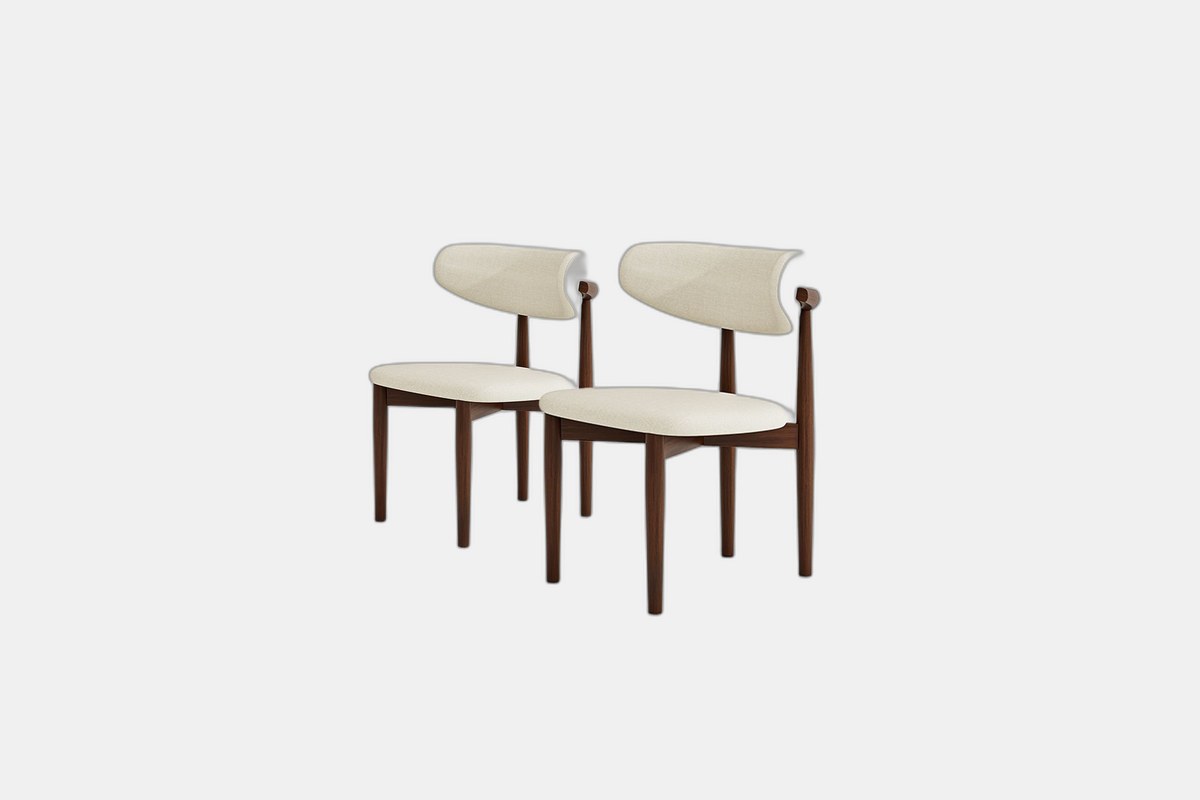
The 15 Best Dining Chairs
The 15 Best Dining Chairs
Getting your first sewing machine is a huge step. I remember being so overwhelmed by all the options—computerized this, mechanical that, a zillion different stitches. It’s tough to know what you actually need versus what’s just a fancy feature you’ll never use.
You don’t need to spend a fortune to get a great beginner sewing machine. The goal is to find something that’s easy to set up, won’t jam every five minutes, and can handle the basic projects you want to start with, like making pillow covers or hemming a pair of pants.
After trying out a few models myself and talking to friends who sew, I’ve put together this list of the best sewing machines for beginners. These are the ones that are actually easy to use and will grow with you as your skills get better.
The Brother CS7000X is around $230, and it’s a fantastic machine if you think you might get into quilting down the road. It feels sturdy and reliable, not like a cheap toy.
What I really like for beginners is the adjustable speed control. You can set it to go super slow, so you don’t feel like the fabric is running away from you. The automatic needle threader and drop-in bobbin are also lifesavers and save a ton of frustration when you’re just starting out.
It comes with a bunch of different presser feet, so you can try all sorts of projects without having to buy extra accessories right away. It’s the kind of machine you won’t outgrow in six months.
The Downside: I did notice it can be a little fussy with very slippery fabrics like polyester satin. The stitches weren’t always perfectly straight, but for cottons and everyday fabrics, it’s perfect.
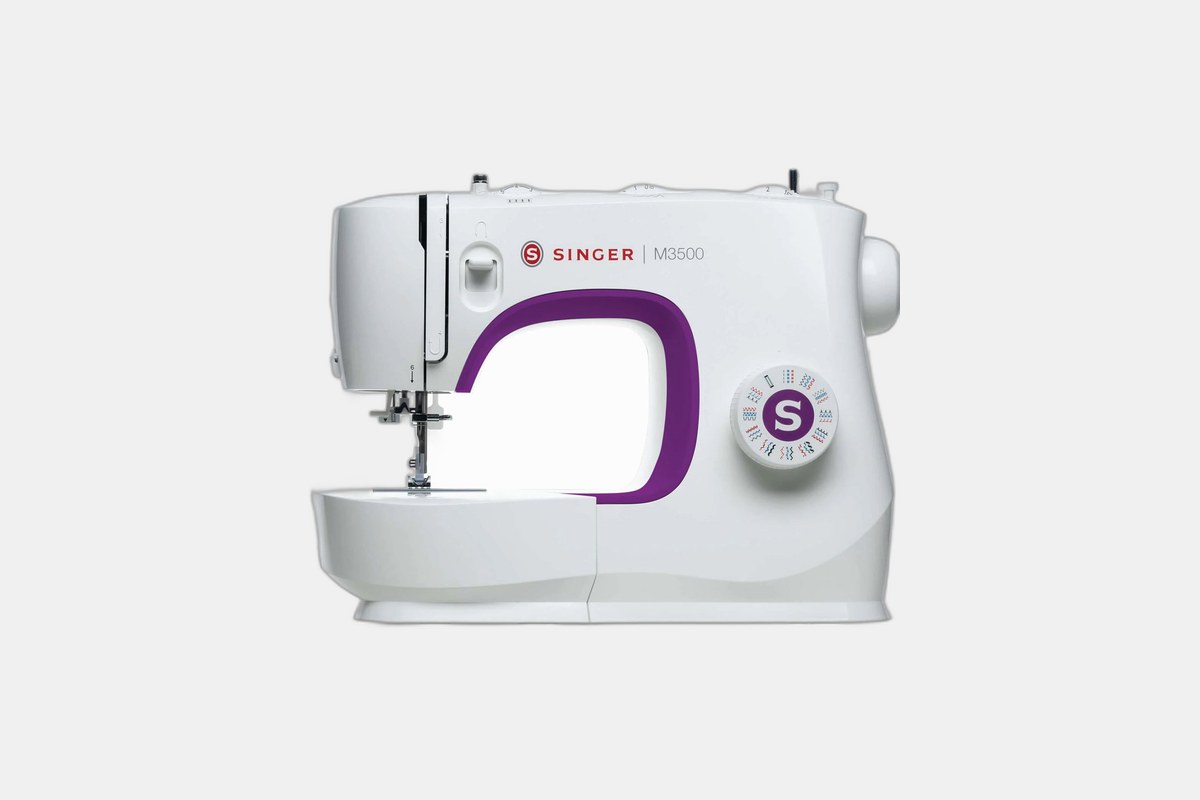
At about $155, the Singer M3500 is a solid, no-fuss choice for someone who is truly brand new to sewing. It’s incredibly straightforward and doesn’t have a million buttons to intimidate you.
This is a great home sewing machine for simple repairs and starter projects. Threading it is easy to figure out, and it’s so lightweight you can easily store it in a closet when you’re not using it. My niece got one for her first machine and was making her own tote bags in an afternoon.
The Downside: It’s not a powerhouse. If you try to sew through multiple layers of denim or thick canvas, you can hear the motor struggle. It’s best for light- to medium-weight fabrics.
For just $40, this little machine is honestly surprising. It’s definitely a budget pick, designed for kids or for someone who just wants to see if they even like sewing without a big investment.
It weighs less than three pounds, so you can literally take it anywhere. It comes with a little starter kit, which is a nice touch. It’s a true entry level sewing machine for very basic tasks like mending a seam on a t-shirt or making a doll’s dress.
The Downside: There’s no backstitch function, which is a pretty big deal for securing your stitches. It’s also not built for the long haul, so don’t expect it to last for years of heavy use.
If you’ve been eyeing those cool embroidered sweatshirts and want to try it yourself, this machine is your entry point. The Brother SE700 costs around $580, which is a great price for a combination sewing and embroidery machine.
It’s surprisingly easy to use. You can see your embroidery designs on the color LCD screen before you stitch, and you can even send designs to it from your computer over Wi-Fi. As a regular sewing machine, it has all the features you’d want, like an automatic threader and plenty of built-in stitches.
The Downside: The embroidery area is 4×4 inches. That’s fine for names, small logos, and patches, but you won’t be doing huge, intricate designs like you see on expensive jackets without re-hooping a lot.
This is another fantastic Brother machine, priced around $270. The XR9550 is a workhorse that feels like a step up from a basic beginner model but is still super easy to operate.
It comes with a wide table attachment, which is amazing if you’re working on bigger projects like quilts or curtains. The extra space keeps the fabric from pulling and makes everything so much easier to manage. The LCD screen is bright and makes selecting one of the 165 stitches simple.
The Downside: While it has a ton of decorative stitches, they are on the small side. They’re great for accents, but they don’t look as bold as the ones on more expensive machines.
Coming in at about $250, this Singer Heavy Duty is the machine you want if you plan on sewing tough stuff. I’m talking about hemming jeans, making canvas bags, or even working with thin leather.
It has a strong motor and a metal frame, so it doesn’t bounce around on the table when you’re sewing fast. And it is fast! But because it’s a mechanical machine with simple dials instead of a computer screen, it’s not overwhelming for a beginner. It just feels solid and powerful.
The Downside: Some tests and user reviews have mentioned that it can be tricky to get perfect, consistent buttonholes with this model. It takes a bit of practice to get them right.
When you’re shopping, don’t get distracted by a machine that boasts 200+ stitches. You’ll probably only use a handful: the straight stitch, zigzag, and maybe a buttonhole stitch. Instead, focus on the features that make sewing less of a headache.
An automatic needle threader is a huge help, trust me. So is a top-loading, or “drop-in,” bobbin system. They are so much easier to deal with than the old front-loading style ones. Speed control is another great feature that lets you build confidence without the machine getting away from you.
Ultimately, the best beginner sewing machine is one that feels approachable and makes you want to actually use it. Any of the machines on this list will be a reliable partner for starting your sewing journey.
The 15 Best Dining Chairs
The 32 Best Desks
The 9 Best Office Chairs
The 10 Best Jewelry Organizers