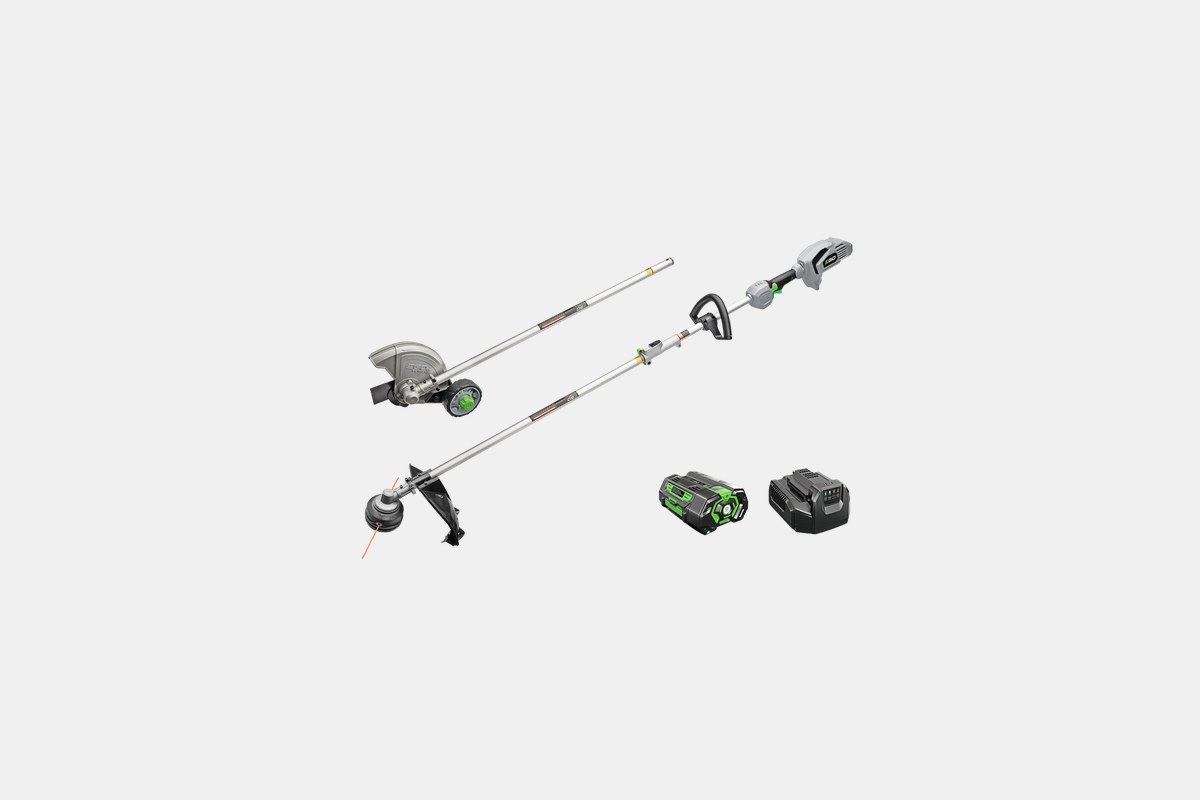
The 10 Best Lawn Edgers
The 10 Best Lawn Edgers

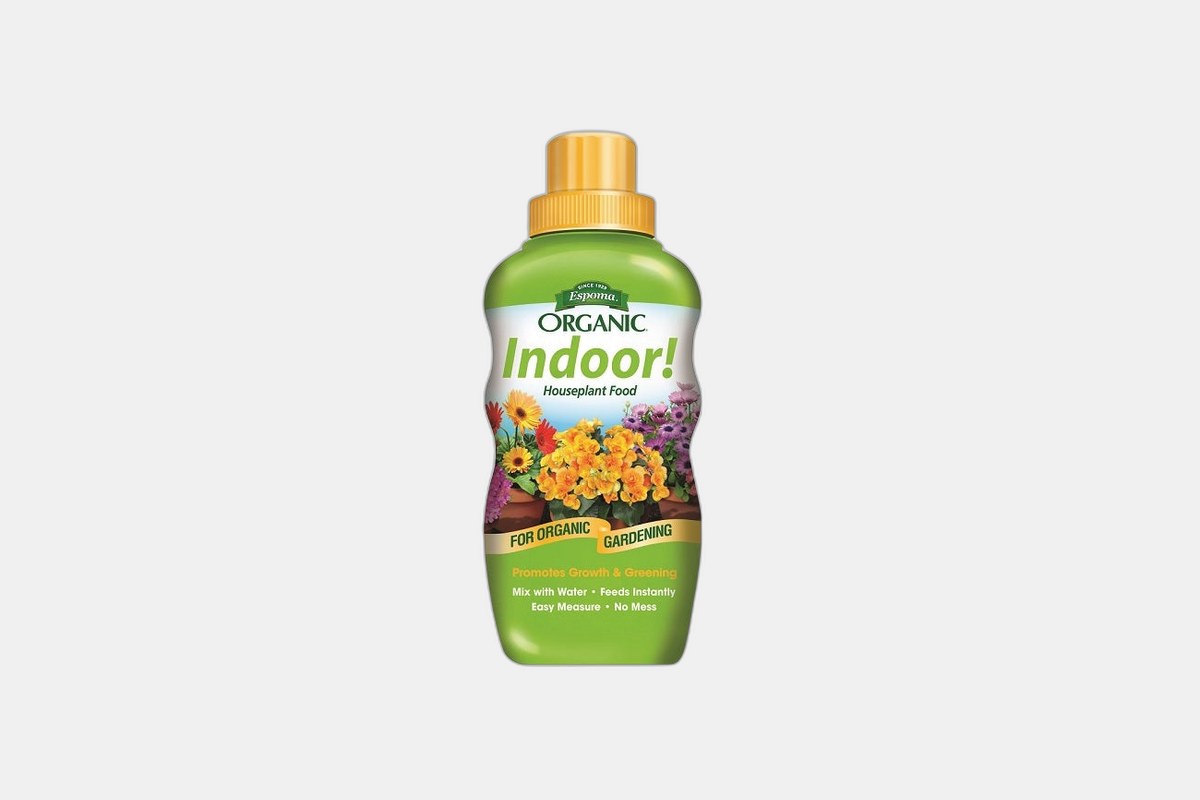
I used to think all my houseplants needed was a sunny window and some water. A few sad, yellowing leaves later, I realized I was basically starving them. The soil they come in only has so many nutrients, and after a few months, it’s pretty much depleted.
So, I started using indoor plant fertilizers, and it made all the difference. It’s like giving your plants a vitamin boost to keep them pushing out new leaves and looking their best. But not all plant food is the same, and I’ve definitely tried my share of them over the years.
After a lot of trial and error with my own indoor jungle, these are the best fertilizers I’ve found that actually work. I’ve picked options for every type of plant parent, from the forgetful waterer to the organic enthusiast.
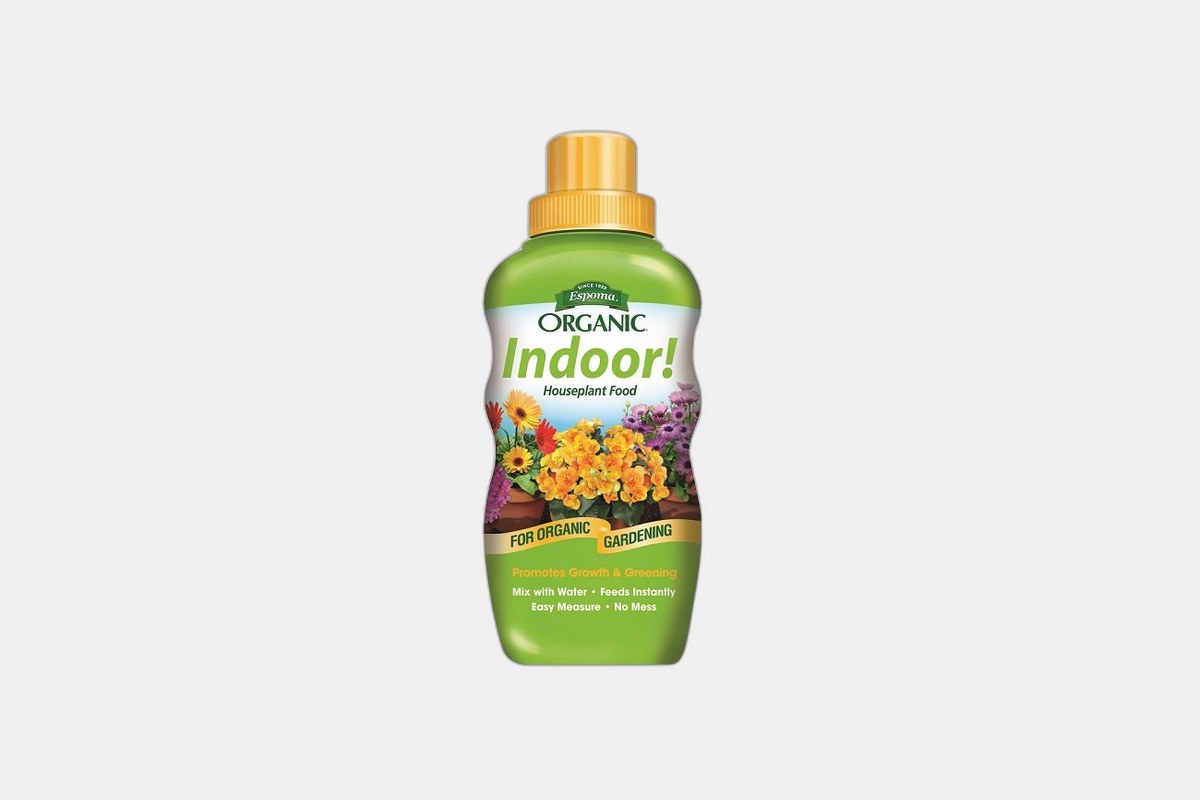
This little bottle costs about $9.99 and it’s my go-to for most of my leafy friends like my pothos and philodendrons. It’s an organic plant fertilizer that’s super gentle, so I never worry about burning the roots.
The 2-2-2 formula is perfectly balanced for steady, consistent growth, not a sudden, leggy burst. You just mix a little into your watering can every couple of weeks. It’s easy and my plants have consistently looked healthy and vibrant since I started using it.
The Downside: Because it’s organic and gentle, the results aren’t immediate. You won’t see an explosion of growth overnight like you might with a synthetic fertilizer, but it builds healthier soil over time.
You can’t beat the price on this stuff, usually around $6.99 for a box that lasts forever. It’s a classic for a reason. This is the stuff my mom always used, and it just flat-out works.
When one of my plants is looking a little lackluster and needs a fast boost, this is what I reach for. The bright blue granules dissolve in water instantly, and you can see new growth perk up within a week or so. It’s a great all-around houseplant fertilizer for quick results.
The Downside: It’s easy to use too much, which can lead to fertilizer burn and a buildup of salts in the soil. I always make sure to flush the soil with plain water every few months when I’m using this regularly.
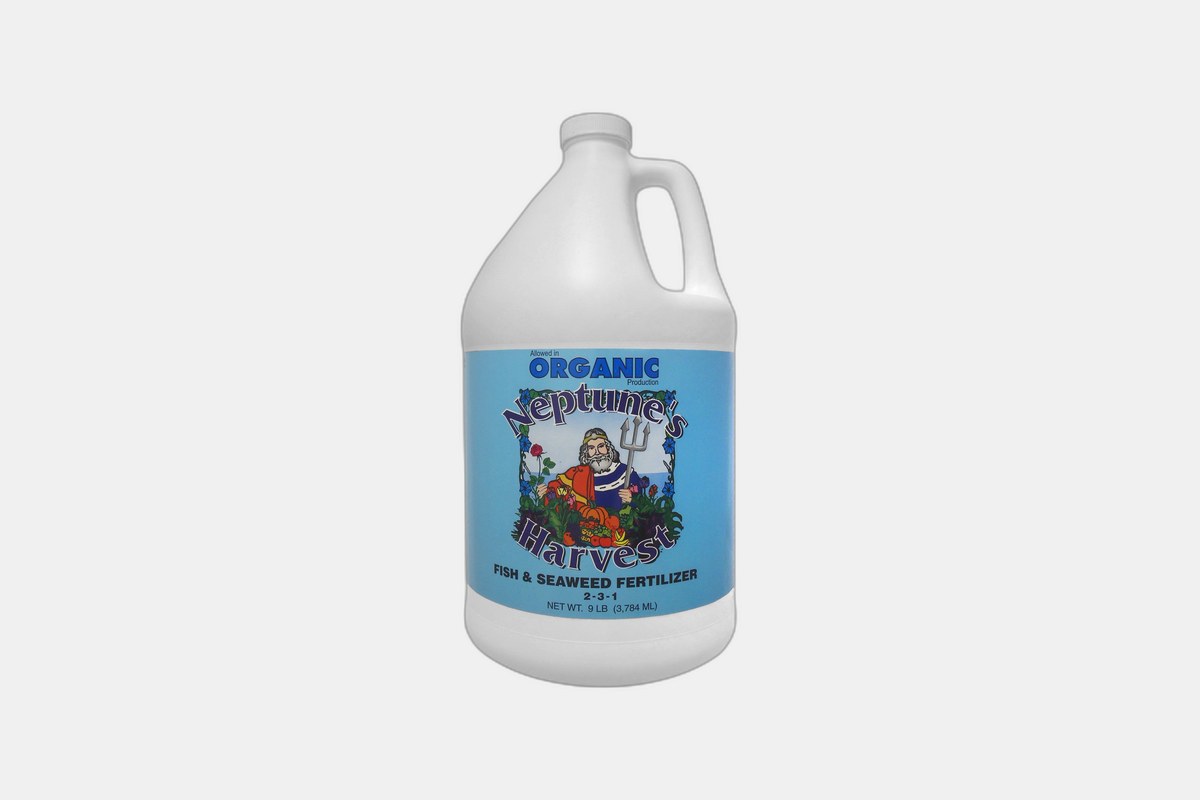
This one is about $14.99, but it’s super concentrated. I swear by this for my flowering plants like my peace lily and even my fussy prayer plant. It’s made from fish and seaweed, so it’s packed with natural goodies.
It seems to really encourage strong roots and more vibrant blooms. Plus, it improves the soil structure, which is a big win for long-term plant health. I just feel good using something so natural on my plants.
The Downside: Okay, let’s be honest, this stuff stinks. The fishy smell is pretty strong when you first mix it, but it does go away in an hour or two. I just make sure to open a window after I water.
For around $12.99, you get a fertilizer that does the work for you for months. This is my “set it and forget it” option for my bigger plants, like my big fiddle leaf fig in the living room.
You just sprinkle the little pellets on top of the soil, and they slowly release nutrients every time you water for up to six months. It’s perfect if you’re busy or tend to forget to fertilize regularly. It’s almost impossible to over-fertilize with these.
The Downside: It’s not great for very small pots. The pellets can be a little big, and it’s hard to get an even distribution in a tiny 2-inch container. I stick to liquid food for my baby plants.
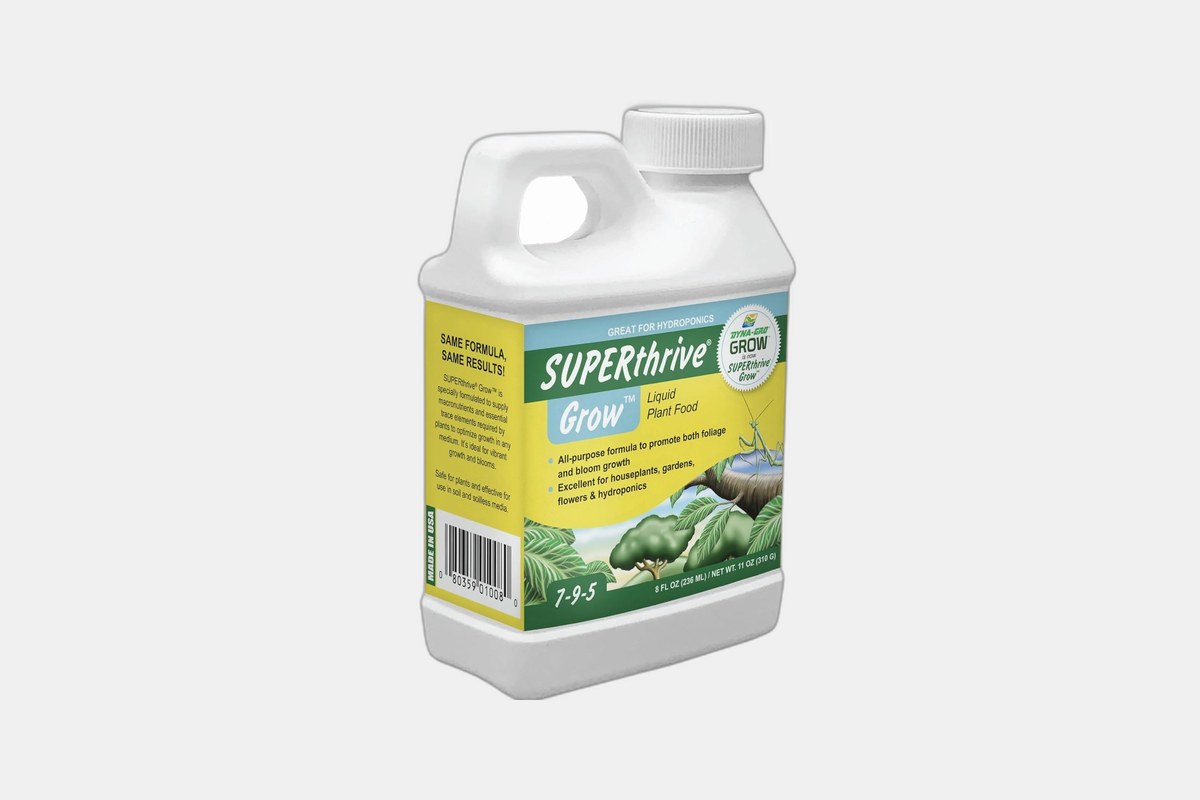
p>This one is a bit more expensive at $15.99, but it feels like a professional-grade product. I use this on some of my more prized plants that I want to push a lot of new, lush foliage on.
It contains all the essential micronutrients that a lot of other fertilizers leave out. A tiny bit goes a long way, and I’ve noticed my monsteras and alocasias have much more vibrant leaves when I’m using this stuff during the growing season.
The Downside: You really need to measure this carefully and dilute it properly. It’s potent, and if you just eyeball it, you could easily burn your plants. I use a little medicine dropper to get it just right.
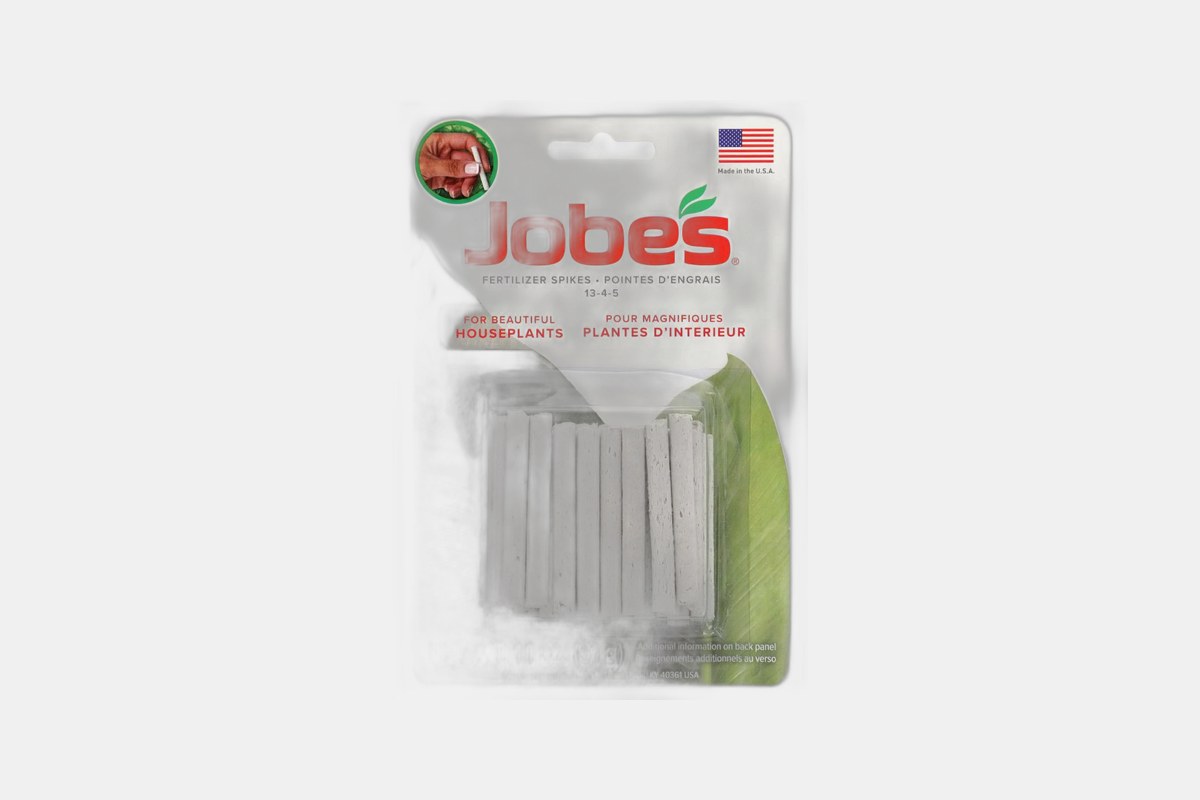
A pack of these costs about $8.99 and they might be the absolute easiest indoor plant food to use. There’s no mixing, no measuring, and no mess. You just poke them into the soil and you’re done for two months.
I use these in my snake plants and ZZ plants that are pretty low-maintenance anyway. The spikes deliver nutrients right to the roots, so there’s no waste. And there’s zero smell, which is a nice bonus.
The Downside: It can be a little hard to gauge how many spikes to use. The instructions are based on pot diameter, but it can feel like you’re either using too many or not enough, especially in odd-shaped pots.
At $10.49 a bottle, this is a must-have if you have a collection of succulents and cacti like I do. Regular plant food is way too strong for them and can cause weak, leggy growth.
This stuff has a special 1-7-6 formula that’s low in nitrogen, which is exactly what desert plants need. It helps them stay compact and encourages them to flower without making them grow all stretched out. It’s gentle enough for even my most sensitive succulents.
The Downside: It’s a very specialized product. You obviously wouldn’t want to use this on your leafy tropicals that need a lot of nitrogen, so it’s another bottle you have to have on the shelf.
This tub is usually around $11.99. It’s a very well-known brand among serious gardeners and greenhouse growers, and for good reason. It provides a perfectly balanced 20-20-20 ratio of nutrients.
It dissolves really cleanly in water and I find it gives very consistent, reliable results across a huge range of plants. If you just want one solid, no-fuss fertilizer that works for almost everything, this is a fantastic choice.
The Downside: It’s a synthetic fertilizer, so it doesn’t do anything to improve the soil itself. If you’re committed to organic gardening, this isn’t the one for you.
A bag of this will run you about $13.99. This is another great organic option, but it comes in a dry, granular form. I love mixing this directly into my potting soil when I’m repotting a plant.
It’s packed with beneficial microbes and fungi that help build a really healthy soil ecosystem right in the pot. This gives the plant a great head start in its new home and helps it build stronger roots and fight off disease.
The Downside: It does have a mild, earthy smell when you first apply it, especially if you just sprinkle it on top of the soil. It’s not terrible, but it’s noticeable for a day or so after watering.
Honestly, the best fertilizer for your indoor plants really depends on you and your collection. If you want something foolproof and low-effort, the spikes or slow-release granules are perfect. If you like being more hands-on and want to see fast results, a liquid fertilizer is probably your best bet.
I also think about organic versus synthetic. I use both! For my edible herbs in the kitchen window, I stick strictly to organic options like Espoma or Neptune’s Harvest. For a big decorative plant that I just want to look amazing, I’m not afraid to use a synthetic like Miracle-Gro for a quick boost.
Don’t get too hung up on the N-P-K numbers (like 2-2-2 or 20-20-20). For most houseplants, a balanced, all-purpose formula is all you need. Just remember to fertilize less in the winter when plants aren’t actively growing, and you’ll have a happy, healthy indoor garden.
The 10 Best Lawn Edgers
The 48 Best Gifts for Men
The 10 Best Succulent Soils
The 39 Best Hostess Gifts