The 4 Best Deck Stains
The 4 Best Deck Stains

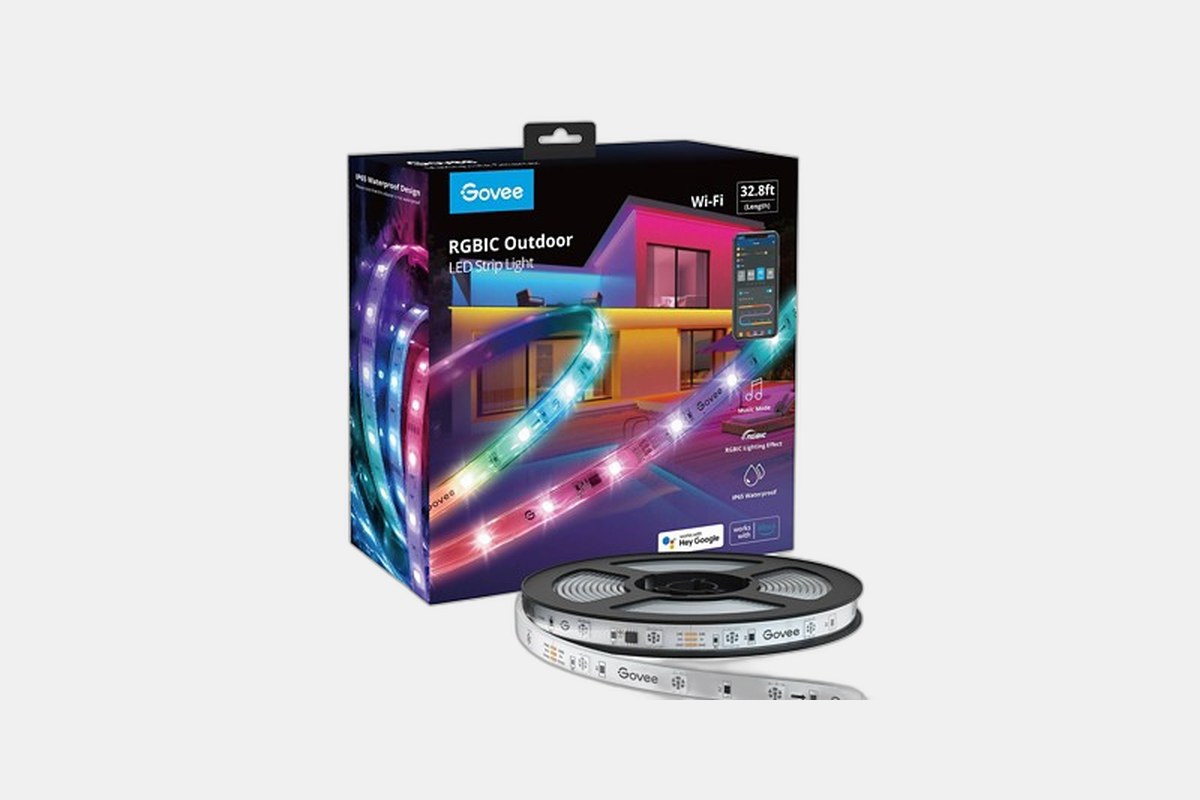
I’ve gone a little crazy with LED strip lights over the last few years. What started as a simple backlight for my TV has turned into a mission. I’ve put them under kitchen cabinets, in my kid’s closet, and even along the back of my workbench in the garage. They’re just so useful for adding a little light or a lot of color exactly where you need it.
You can spend a little or a lot, and it’s not always easy to tell what you’re getting. Some are super bright and perfect for tasks, while others are just for setting a mood. After trying out way too many, I’ve figured out which ones are actually worth the money for different spots around the house.
These are the LED strip lights I’d recommend to my neighbors in 2026. They’re the ones that have held up, were easy to install, and just plain worked without a lot of fuss.
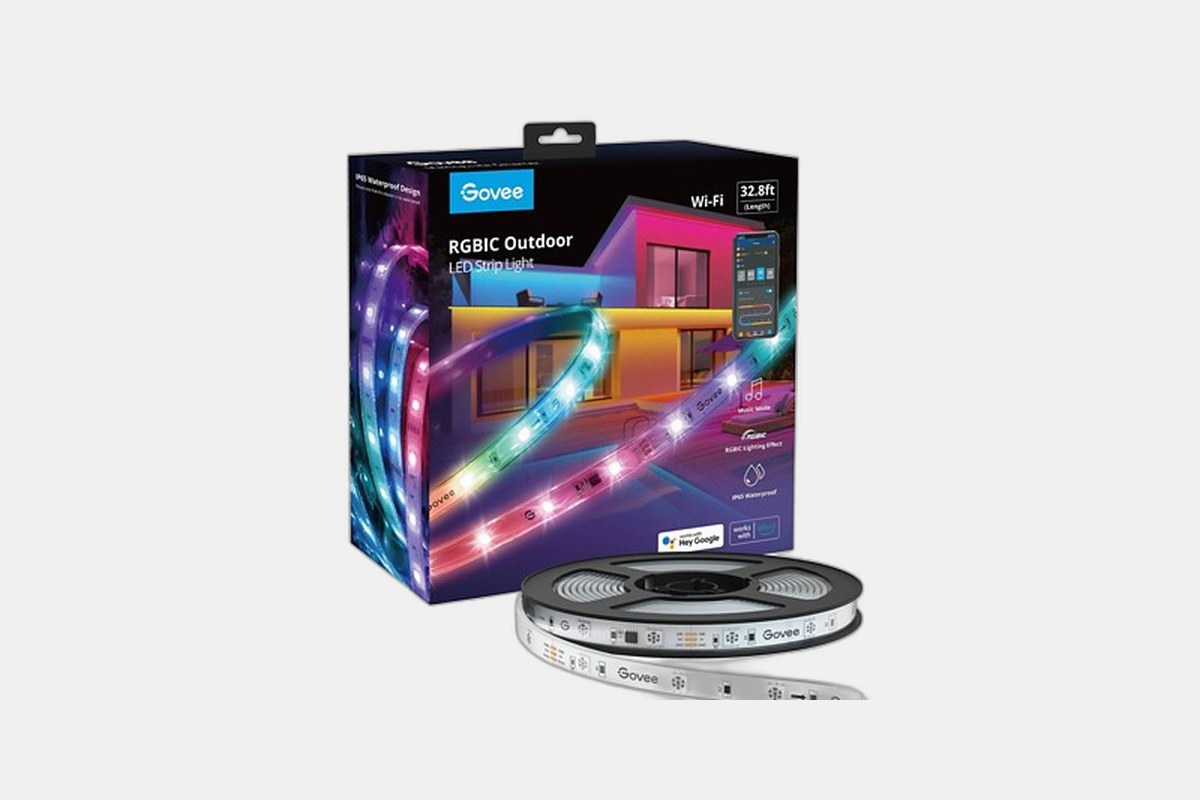
This Govee strip costs about $30, and it’s my go-to for most projects. It’s just a fantastic all-arounder. I put a strip behind my desk, and it’s bright enough to actually help me see what I’m doing without turning on the big overhead light.
The app is simple to use, and you can pick pretty much any color you can imagine. Setting it up to sync with music is a fun little party trick, too. It just works exactly like you’d expect, which is all I really ask for.
The Downside: The adhesive is good, but the power cord section is a bit heavy and can pull the strip down. You’ll definitely want to use the little support clips they include to keep it secure.
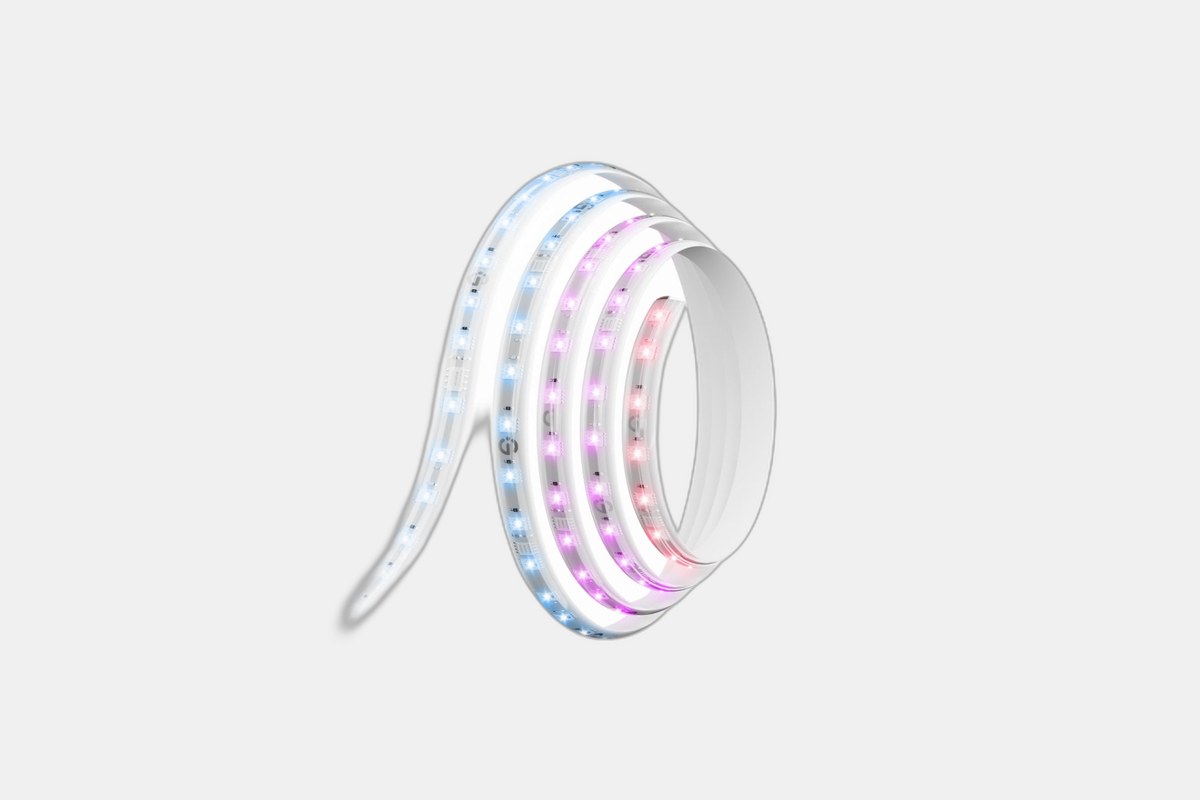
At around $20, this is the one to get if you just want to add some color to a room without spending much. We got this for my son’s bedroom to run along the top of his walls, and he loves it. Fifty feet is plenty of length for most rooms.
The app has a decent amount of customization, and the adhesive tape on the back stuck to his painted walls with no problem at all. It’s just a simple, effective way to get that ambient glow.
The Downside: These are not super bright. They’re great for mood lighting behind a headboard or TV, but don’t count on them for lighting up a workspace.
This one’s a bit of an investment at $80. But if you’re already in the Philips Hue ecosystem, it’s a no-brainer. I have Hue bulbs all over my house, and this strip integrates perfectly.
The color quality is just better than the cheaper options, it looks richer and more vibrant. I can control it with my Alexa, and it’s incredibly reliable. I put this under my kitchen cabinets and the light quality is fantastic for prepping food.
The Downside: You really need the Philips Hue Hub to get all the features, which is an extra cost if you don’t already have one. Without it, it’s just a very expensive light strip.
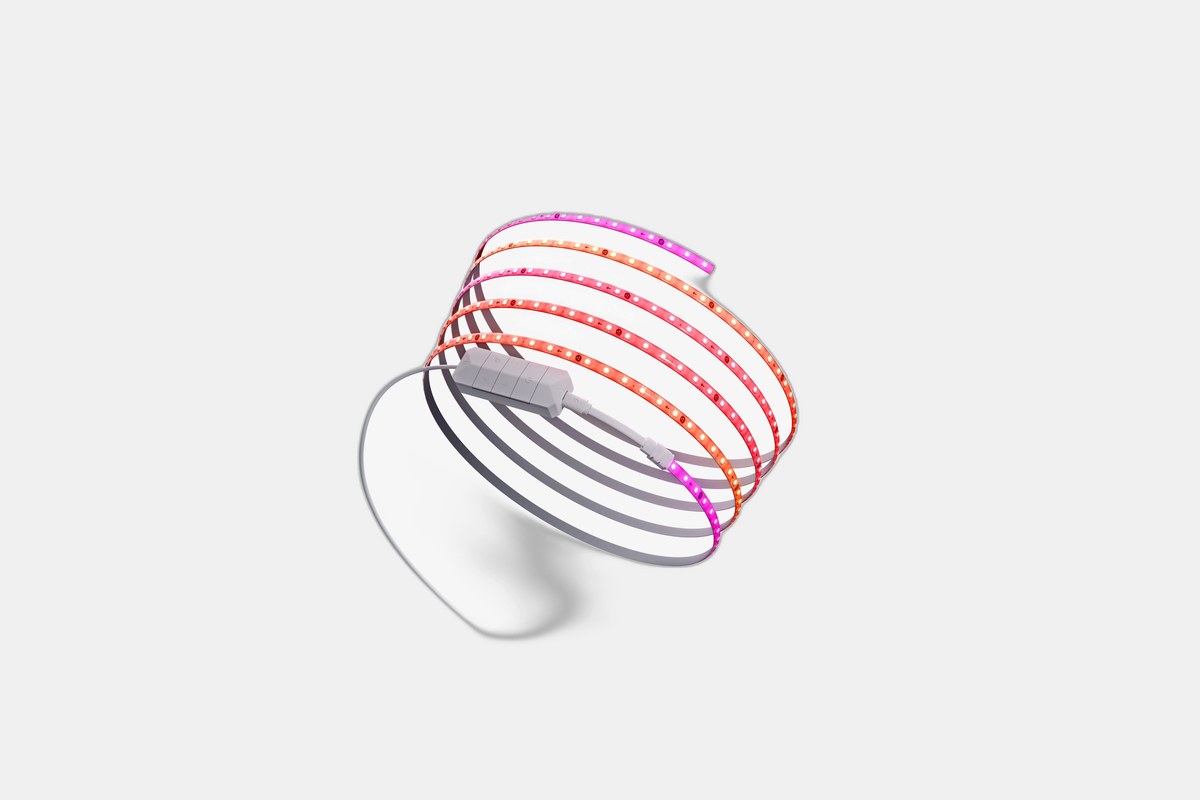
For about $70, the Govee M1 is for people who love to tinker. This is an “RGBIC” strip, which is a fancy way of saying it can show multiple colors at once. You can create these cool flowing or chasing patterns that look amazing.
It’s also really bright and supports Matter, which is supposed to make all our smart home gadgets work together better in the future. Setup was a breeze, and the Govee app has endless options for creating your own light scenes.
The Downside: The adhesive is really strong. That’s good for keeping it in place, but I’ve heard it can pull off paint or leave a sticky mess if you ever need to remove it.
The Nanoleaf strip is another premium option at $70. Its main claim to fame is its incredible brightness. At 2200 lumens, this is easily the brightest strip I’ve ever used. It’s perfect for under-cabinet lighting where you really need to see clearly.
The colors are really rich, and like the Govee M1, it supports Matter, so it’ll play nice with Apple HomeKit, Google Home, and whatever else you’re using. It feels really well-built and durable.
The Downside: The strip itself is noticeably thicker and less flexible than others. This can make it a little tricky to tuck into tight corners or small channels.
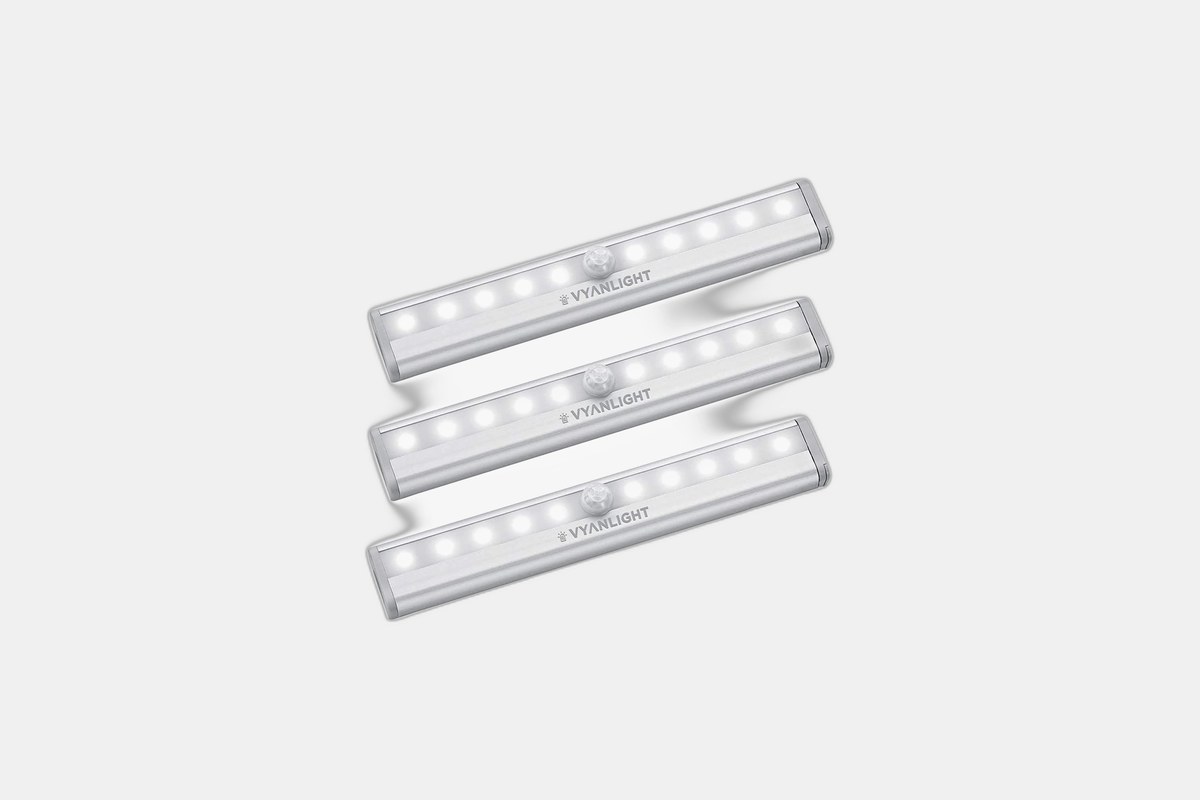
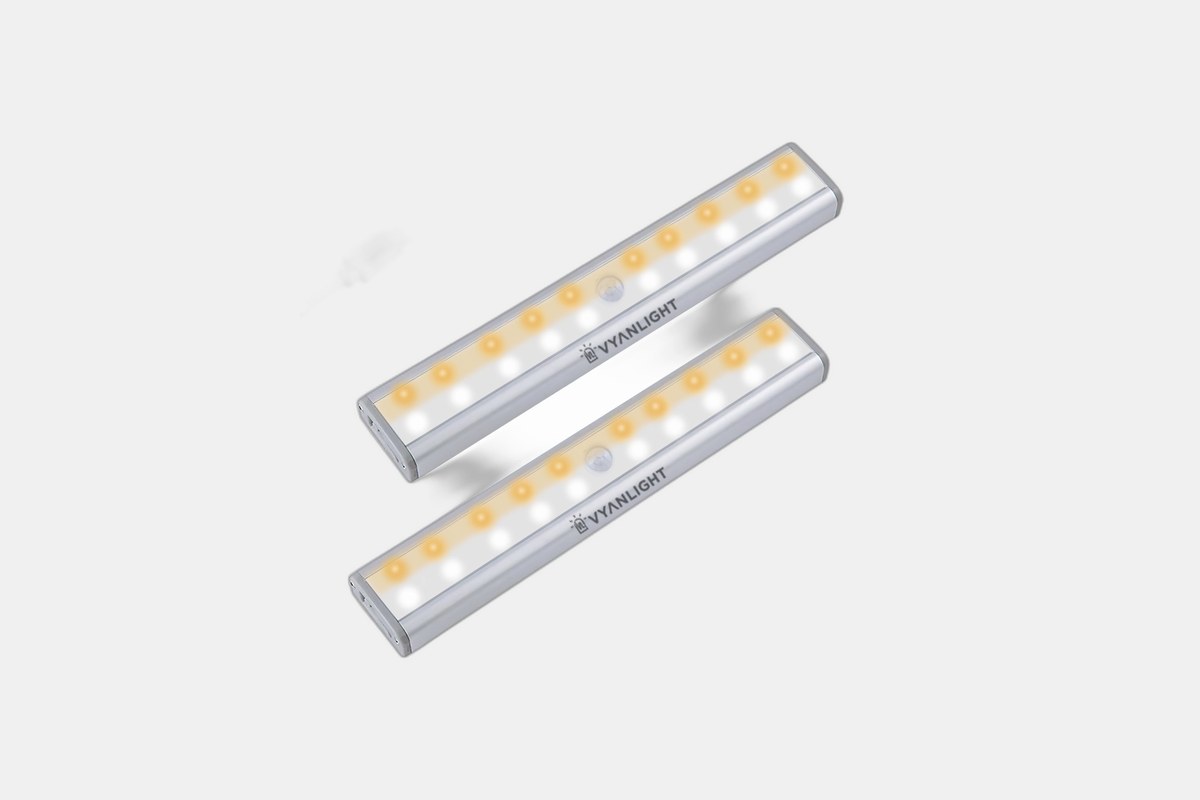
This little guy is a problem-solver, and it’s only about $25. It’s a short, battery-powered strip with a motion sensor. There are no wires, no apps, no fuss. I stuck one inside my dark pantry and another under the sink in our guest bathroom.
It just works. You open the door, the light pops on, and then it turns itself off after you leave. The back is magnetic, and it comes with a little metal plate with adhesive, so you can just pull the light off to change the batteries without ripping anything off the wall.
The Downside: It runs on batteries, so you will have to replace them eventually. How often depends on how much you open that closet door.
For around $40, you get a massive 100 feet of lights. If you have a big rec room, basement, or home theater you want to outline, this is the kit to get. It’s enough to go around the ceiling of a pretty large space.
It connects to your phone via Bluetooth, and you can control the colors and sync it to music through the app. It’s a quick and easy way to totally change the vibe of a big room.
The Downside: The app can be a little flaky sometimes. I’ve had to try connecting a couple of times to get it to work, which can be annoying.
When I’m picking out a new set of lights, I really just think about two things: where is it going, and what do I need it to do? For my workshop, brightness is everything. I need to see what I’m doing, so I look at the lumen count. A higher number means brighter light.
For pure decoration, like behind a TV or a headboard, brightness doesn’t matter as much. In that case, I care more about the app and the color options. Being able to set schedules or have cool effects is more important than raw power.
And don’t forget to measure! It sounds obvious, but I’ve definitely bought a strip that was too short before. It’s always better to have a little extra that you can trim off than to come up a foot short of where you need to be.
The 4 Best Deck Stains
The 10 Best Water Softeners
The Best Window Insulation Kits to Keep Your Home Warm All Winter
The 7 Best LED Light Strips