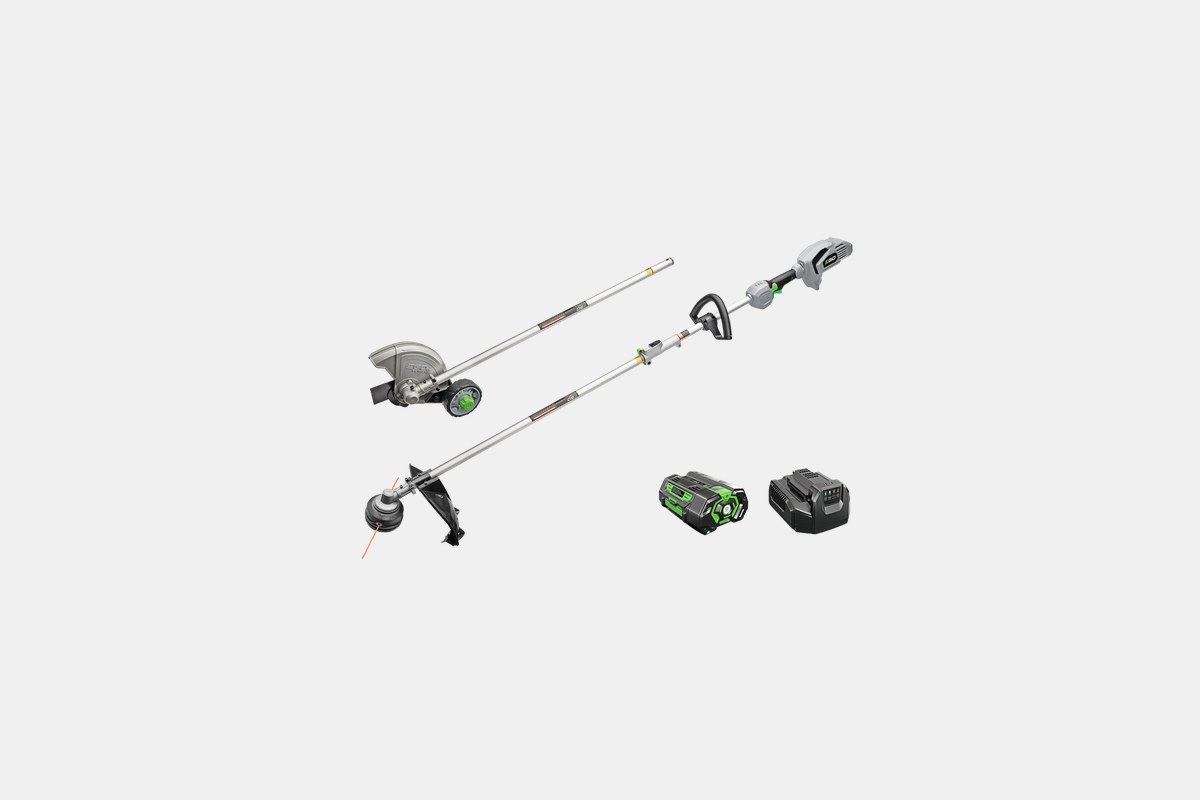
The 10 Best Lawn Edgers
The 10 Best Lawn Edgers
I spend a lot of time in my yard, and getting the lawn just right is a point of pride. After years of trial and error, I’ve learned that the secret to a great lawn isn’t just watering and mowing. The best grass fertilizer can make all the difference, turning a patchy, sad-looking yard into something your neighbors envy.
But walking into a home improvement store can be overwhelming. There are so many bags, bottles, and numbers. Do you need slow-release? Weed and feed? Organic? What do those N-P-K numbers even mean?
I’ve put together this list based on my own experience and talking with fellow gardeners. This isn’t a lab test; it’s a real-world guide to the lawn care fertilizers that actually work for regular people. Here are my picks for the best grass fertilizers for 2026.
This one costs around $60 a bag, and for good reason. It’s what I use when I want professional results without hiring a service. The particles are super fine, so they cover the lawn evenly without any weird stripes or burn spots.
The Andersons PGF Complete has a balanced 16-4-8 formula that works on pretty much any lawn type. It’s a slow-release fertilizer, so it keeps feeding my lawn for up to two months. I really notice the difference in root strength and overall thickness.
The Downside: It’s definitely on the pricier side. You’re paying for a premium, professional-grade product.
A bag of Milorganite is about $20, and it’s my go-to for an eco-friendly option. I’ve used this for years because it’s organic and I never have to worry about it burning the lawn. It’s practically foolproof.
It’s also great if you have pets or kids running around, since it doesn’t have harsh chemicals. It feeds the grass for a long time, over two months, and it does a fantastic job of improving the actual soil underneath, not just feeding the plant.
The Downside: It doesn’t give you that instant, super-dark green color you get from some synthetic fertilizers. It’s a slower, more natural green-up.
This stuff runs about $30. If you live down South like my sister, this is the product she swears by. It’s a 3-in-1 that feeds the lawn, kills weeds like dollarweed, and even handles fire ants.
It’s built to help grasses like St. Augustine and Zoysia handle the intense heat and potential for drought. You get a lot of bang for your buck by tackling multiple problems with just one application from your spreader.
The Downside: It’s specifically designed for Southern lawns. You wouldn’t want to use this on a Kentucky Bluegrass or Fescue lawn up north.
For around $25, this is the easiest way to get fast results. It’s a liquid fertilizer that you just hook up to your hose and spray. No spreader, no mess. It’s perfect if you need your lawn to look good in a hurry for a backyard party.
The balanced 16-4-8 formula works on all grass types, and it has seaweed and fish ingredients that help the grass absorb the nutrients. I use this sometimes in between granular applications for a quick boost.
The Downside: Some states and counties have restrictions on using fertilizers with phosphorus, so you need to check your local rules first.
At just $18, this is what you need if you’re putting in a new lawn. Whether you’re spreading seed or laying down sod, this is the stuff to use. I used it when I re-seeded a big bare patch in my backyard last fall.
That middle number, 24, is phosphorus, which is exactly what new grass needs to develop strong roots. It helps the grass get established much faster and healthier than just using regular fertilizer.
The Downside: This is not for your regular, established lawn. It’s a special-purpose fertilizer just for new plantings.
This is a classic for a reason, and it costs about $35. It’s a great general-purpose lawn food that works pretty much everywhere in the country. The particles are designed so every little bit has the proper nutrient mix, so you get very even greening.
I like that it doesn’t contain phosphorus, so I don’t have to worry about runoff issues. It’s just a reliable, straightforward choice for keeping an established lawn thick and green.
The Downside: It’s not a slow-release formula, so you’ll need to reapply it every 6-8 weeks throughout the growing season.
For about $28, this is a critical step in my fall lawn care routine. Putting this down in September or October really helps the lawn recover from summer stress and prepares it for winter.
It does two jobs at once: it kills off fall weeds like clover and dandelions while feeding the roots. You don’t see the results right away, but you’ll be rewarded with a much greener, healthier lawn first thing next spring.
The Downside: You can only use this in the fall when weeds are actively growing. It’s not an all-season product.
This one costs around $32. If you’re someone who just wants to fertilize once and be done with it, this might be your best bet. The polymer-coated nitrogen releases slowly for up to four months.
It also prevents crabgrass and kills other common weeds, so it’s a true multi-purpose product. My neighbor uses this on his fescue lawn and only has to apply it once in the spring.
The Downside: It’s designed specifically for grasses like fescue and Bermuda, so it’s not a universal solution for every lawn.
At $22, this is another really convenient hose-end sprayer option. It’s great for people who don’t own a push spreader or just want to get the job done quickly. You just screw it onto your hose and walk the yard.
It’s very effective at killing broadleaf weeds—things like dandelions and clover. At the same time, the high-nitrogen formula gives your lawn a quick shot of food to help it green up fast.
The Downside: It doesn’t work as well on grassy weeds like crabgrass. It’s mainly for the broadleaf types.
This runs about $40 a bag. As the name suggests, this is what I’d grab for that first spring feeding, especially on cool-season lawns. It really wakes the grass up after a long winter.
It uses slow-release nitrogen that feeds for up to 12 weeks, so one application covers you for most of the spring. They even offer a money-back guarantee, which shows they’re pretty confident in the results.
The Downside: It’s really optimized for that one spring application. It’s not meant to be used all season long.
Picking the best grass fertilizer really comes down to three things: your grass type, the time of year, and what you’re trying to accomplish. You wouldn’t use a fall fertilizer in the spring, and a product for Southern lawns won’t do much good up north.
Always look at the three numbers on the bag (N-P-K). Nitrogen (N) is for green, leafy growth. Phosphorus (P) is for root development, which is great for new lawns. Potassium (K) helps with overall plant health and stress resistance. An established lawn usually just needs high nitrogen and some potassium.
And decide if you need a “weed and feed” product. If you don’t have a big weed problem, there’s no sense in spreading herbicide all over your lawn. In that case, a simple lawn care fertilizer is all you need to get that lush, green look.
The 10 Best Lawn Edgers
The 48 Best Gifts for Men
The 10 Best Succulent Soils
The 39 Best Hostess Gifts