The 4 Best Deck Stains
The 4 Best Deck Stains

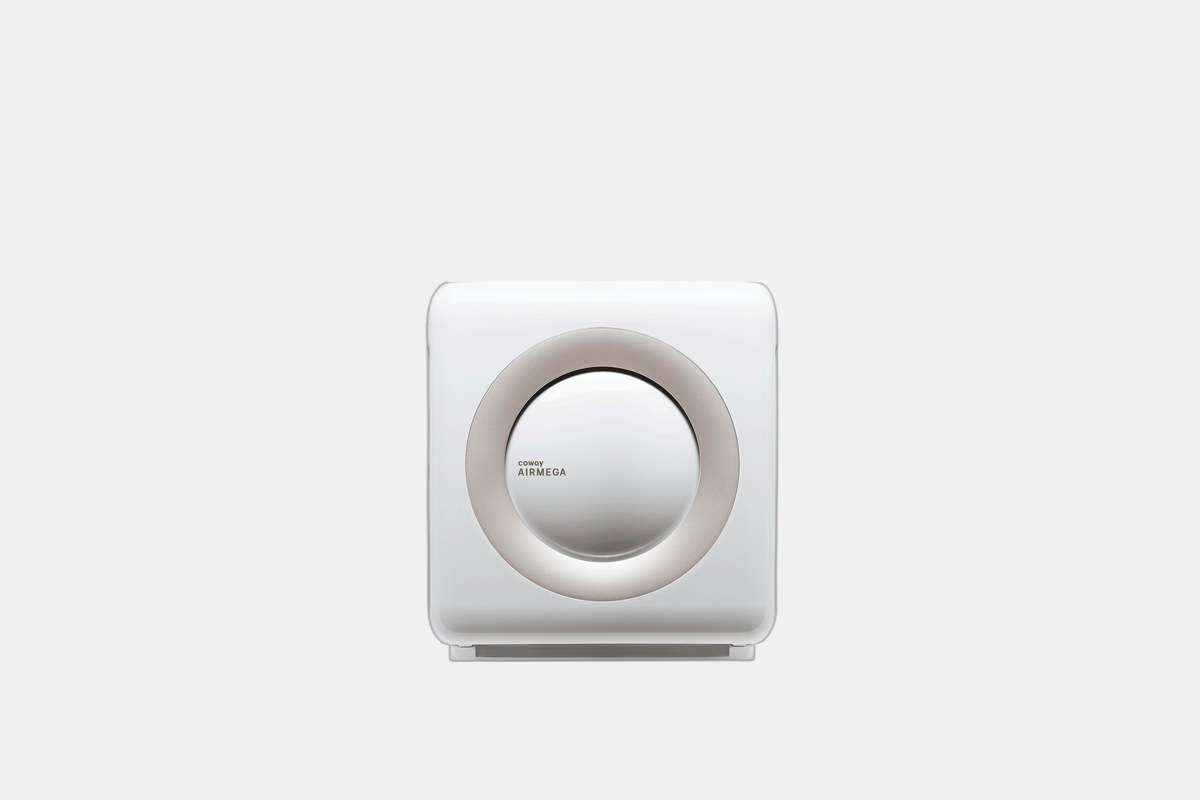
Whether it’s wildfire season creeping in again or just the smell from a neighbor’s bonfire, smoke in the house is no joke. It gets into everything and lingers for days. I’ve learned the hard way that just opening a window doesn’t cut it, especially when the smoke is coming from outside.
That’s where a good air purifier comes in. But not just any purifier will do. You need one specifically designed with filters that can trap those super-fine smoke particles and odors. After trying a few and doing way too much research, I’ve found some solid options that actually work.
These are the air purifiers for smoke that have made the biggest difference in my home.
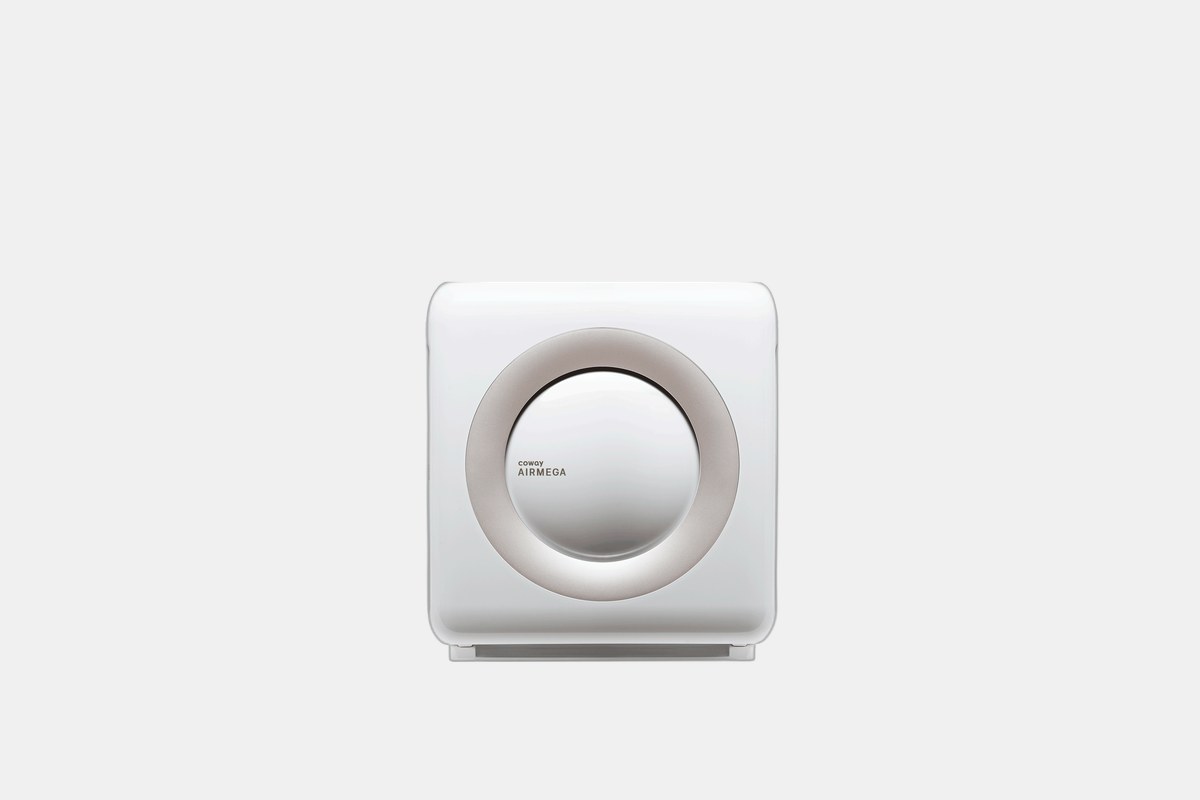
The Coway Mighty is around $175 and it’s probably the most recommended purifier for a reason. I’ve had this one running in my living room for two seasons now. It’s a real workhorse for medium-sized rooms and does a fantastic job on both smoke and seasonal pollen.
Its four-stage filtration system is the key. The activated carbon filter grabs the odors, and the True HEPA filter catches the tiny particles you can’t even see. I mostly just leave it on Auto mode, and it spins up when it detects anything funky in the air, like when I accidentally burn toast. It clears the air impressively fast.
The Downside: When it does kick into its highest speed, you’ll definitely hear it. It’s not horrible, but it’s loud enough that you might need to turn the TV up a notch.
At about $230, the Blueair 311i Max is a bit more of an investment, but it’s built for bigger, open-concept spaces. We use this one in our main living area that connects to the kitchen. It’s amazing how quickly it can clear the air in a large room.
The best part is how quiet it is. Even when it’s working hard, it’s more of a gentle whoosh than an annoying fan noise. Its HEPASilent technology really seems to work, capturing a ton of dust and smoke without sounding like a jet engine.
The Downside: The filters aren’t cheap. You have to factor in the replacement cost, so it’s a bigger long-term commitment than some of the others.
The Winix 5510 is usually around $180, and it’s a great tech-friendly option. It has a smart sensor that adjusts the fan speed automatically, and I like that I can control it from an app on my phone. It’s a solid performer for smoke and general dust.
It combines a True HEPA filter with what they call PlasmaWave technology. I was skeptical, but it does seem to break down odors and allergens without producing any weird smells or ozone. It’s been great for keeping the air feeling fresh.
The Downside: Just like the Blueair, the replacement filters for this one can be pricey. It’s something you definitely need to budget for.
For just $100, the Levoit Core 300 is a fantastic little machine. It’s not meant for a huge living room, but it’s absolutely perfect for a bedroom or a small home office. I have one in our guest room and it makes a noticeable difference.
It has a simple three-stage filter system that works really well for its size. It’s super quiet, especially on the lowest setting, so it’s great for sleeping. For the price, you really can’t beat its performance in a smaller space.
The Downside: It’s only rated for about 220 square feet. Don’t expect it to clear the smoke out of your whole first floor, because it just doesn’t have the power.
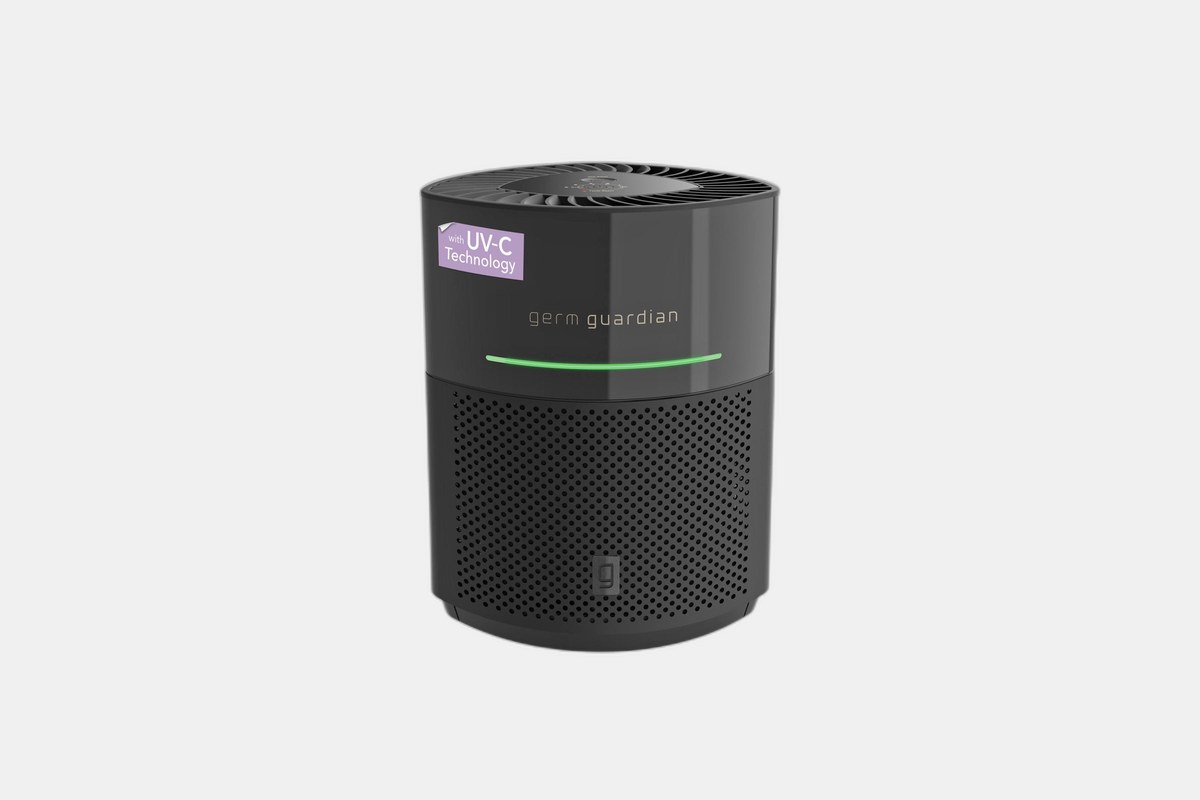
This GermGuardian model costs about $130 and it brings a little something extra to the table. On top of its 360-degree HEPA filter for smoke and allergens, it has a UV-C light to help kill airborne germs like bacteria and viruses.
I like this one for the family room, especially during cold and flu season. The auto sensor adjusts the fan based on the air quality, so I don’t have to mess with it. It just sits in the corner and does its thing, pulling in air from all directions.
The Downside: It can get a bit noisy when it ramps up to the higher settings. It’s not terrible, but it’s definitely not as quiet as the Levoit or Blueair.
When you’re dealing with smoke, two things matter most: the filter type and the power. You absolutely need a unit with a True HEPA filter. That’s what captures the incredibly small particles that make up smoke.
But that’s not enough. You also need an activated carbon filter. This is the part that actually absorbs the smelly gases and volatile organic compounds (VOCs) that cause that lingering smoky odor. A purifier without a carbon filter will clean the air, but it won’t get rid of the smell.
Finally, pay attention to the CADR, or Clean Air Delivery Rate. A higher number means it can clean the air in a larger room more quickly. Make sure the purifier’s recommended room size matches the space you plan to use it in. Putting a small unit in a big room is just a waste of electricity.
The 4 Best Deck Stains
The 10 Best Water Softeners
The 7 Best LED Strip Lights
The Best Window Insulation Kits to Keep Your Home Warm All Winter