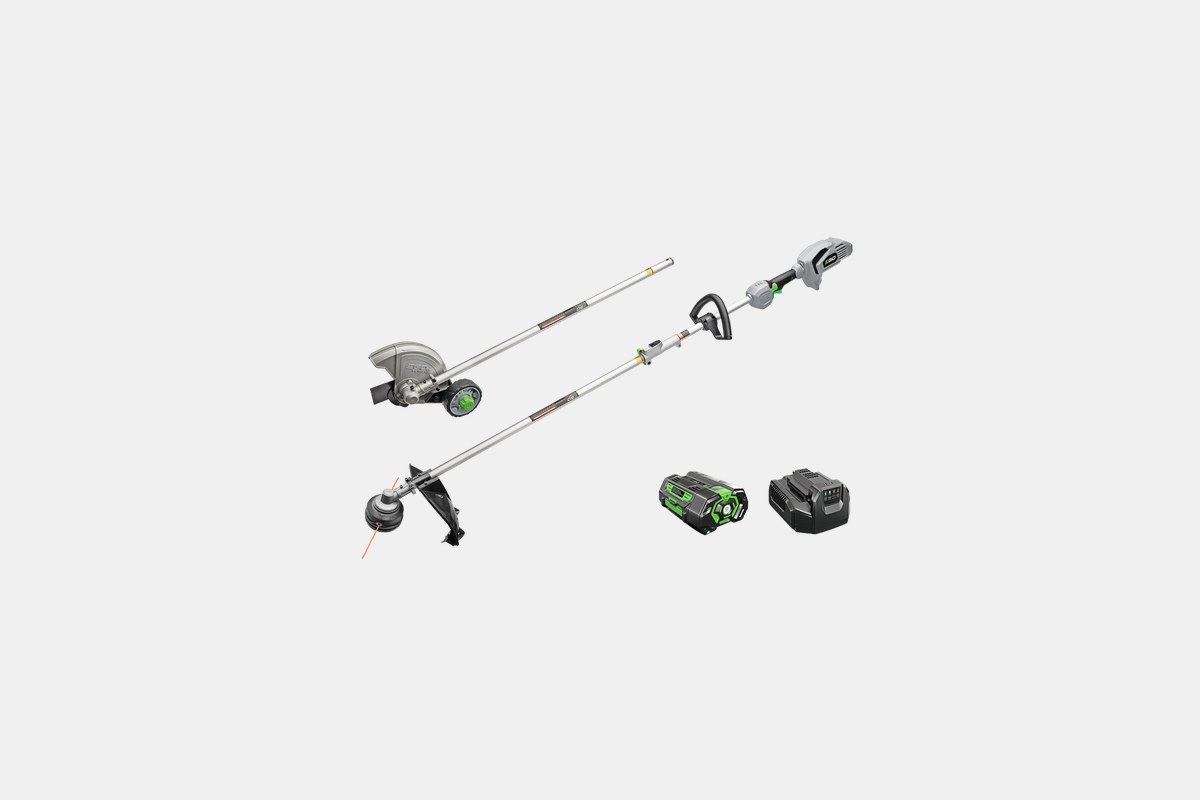
The 10 Best Lawn Edgers
The 10 Best Lawn Edgers

I swear, some years I feel like all I do is pull weeds. I’ll spend a whole Saturday clearing out a flower bed, and by Wednesday, I see those little green sprouts of misery popping right back up. It’s a never-ending battle. So a few seasons ago, I got serious about using landscape fabric to reclaim my weekends.
A good weed barrier fabric is honestly one of the best investments you can make for your yard. It’s not just about stopping weeds, either. The right stuff lets water and air through to keep your soil healthy, but blocks the sunlight that weeds need to grow. After trying a ton of different rolls for different projects, I’ve definitely found some favorites.
These are the ones I turn to again and again for general landscaping projects. They’re tough, reliable, and just plain work.
This is the granddaddy of landscape fabrics for a reason. It’s a 5-ounce, non-woven fabric that feels incredibly tough right off the roll. I used this for a new gravel path along the side of our house two years ago, and I have yet to see a single weed poke through the stones.
It’s made from polypropylene, and it’s treated to resist UV damage, which is a big plus. Cutting it requires a sharp utility knife, but once it’s down, it stays put. It lets water drain through perfectly, so I never have puddles on the path.
This one is very similar in feel and toughness to the DeWitt Pro-5. I used the ECOgardener fabric under the mulch in all the foundation beds around my house. It’s heavy enough that mulch staples hold it down without any tearing, even when my dog goes tearing through the bushes.
What I really like is its durability combined with good water flow. My hydrangeas and boxwoods have never looked stressed, so I know they’re getting the moisture they need. It’s a fantastic, heavy-duty weed barrier fabric for areas you don’t want to touch again for years.
If you’re looking for a great all-around performer, the HOOPLE fabric is a solid choice. It’s a bit lighter than the 5-ounce options, usually around 3 ounces, but it’s surprisingly strong. I find it easier to cut and lay down in beds with lots of existing plants to work around.
I put this in my raised perennial garden last spring, and it has done a great job keeping the thistle and crabgrass out. It’s a woven fabric, and the green lines printed on it are actually super helpful for lining up plants and making sure everything looks straight.
Sometimes a general-purpose fabric isn’t the right tool. For things like vegetable gardens or laying pavers, you need something more specialized.
Okay, this stuff is on another level. It’s not really for your flower beds. This is what you use when you’re doing a hardscaping project like a paver patio or a gravel driveway. I used it as a base under our new shed to stabilize the gravel foundation.
It’s incredibly strong and designed to prevent soil and gravel from mixing, which stops ruts and sinking over time. It’s overkill for just stopping weeds, but for construction projects, it’s exactly what you need.
I love this for my vegetable garden. It’s a woven fabric with stripes every 12 inches, which makes spacing out my tomato and pepper plants a breeze. I just roll it out over my tilled beds, pin it down, and cut an ‘X’ where I want to plant.
It pretty much eliminates weeding between the rows all season long. Plus, it’s tough enough to walk on, and at the end of the season, I can roll it up and use it again next year. It’s been a huge time-saver for me since I started using it in 2026.
For areas with delicate plants or where I might be digging and moving things around, I prefer a lighter fabric. The VIVOSUN 3oz is perfect for my cut-flower garden. It’s easy to cut and lay down without disturbing the soil too much.
It does a great job stopping annual weeds without being so tough that it’s a pain to work with. It’s also very permeable, so I don’t worry about my zinnias or cosmos getting enough water after a light rain.
Let’s be real, this stuff can get expensive, especially if you have a big yard. These options get the job done without breaking the bank.
When I had to cover a huge, undeveloped area in my backyard, Agfabric was the answer. You can get large rolls for a very reasonable price. It’s a woven material, similar to the Dewitt Sunbelt, and it’s surprisingly durable for the cost.
It’s not the thickest fabric out there, but for covering a large area with mulch to just keep the weeds down, it’s an incredible value. It held up for a full season with no issues before we were ready to properly landscape that section.
This is another great no-frills option. It’s a non-woven fabric that feels a bit like felt. I used a roll of this under the kids’ playset to keep grass from growing up through the wood chips.
It was easy to install and has held up to two years of heavy foot traffic and playing. For a simple, set-it-and-forget-it project, it’s a perfectly good weed barrier that saves you some money.
You can find this at just about any big box store, which is a huge plus when you need a roll right now. It’s a good, middle-of-the-road fabric that’s easy for beginners to use. It cuts easily and is flexible enough to lay on uneven ground.
While it might not last as long as the heavy-duty 5-ounce professional fabrics, it’s a reliable choice for typical garden beds and will give you several years of weed protection.
I tried this on a recommendation and was really impressed with the quality for the price. It’s a woven polypropylene fabric that feels very sturdy and has excellent UV stabilization. I have it in a sunny side-bed that gets baked by the afternoon sun, and it hasn’t shown any signs of breaking down.
It lets water through really well, and I’ve found it suppresses even tough weeds like bindweed. It’s another solid contender for the best landscape fabric when you’re on a budget.
Choosing the right garden fabric really comes down to what you’re doing. A fabric for under a rock path needs to be way tougher than one for a vegetable garden you change every year.
First, I look at the material and weight, which is usually measured in ounces per square yard. For paths, hardscaping, or areas I never want to touch again, I go for a heavy, 5-ounce non-woven fabric. For annual beds or areas with lots of plants, a lighter 3-ounce woven fabric is easier to work with.
And don’t forget permeability. The whole point is to kill weeds, not your plants. Make sure the fabric you choose explicitly states it lets air and water through. A good weed barrier feeds your soil and plant roots while starving the weeds of sunlight. That’s the secret to getting your weekends back.
The 10 Best Lawn Edgers
The 48 Best Gifts for Men
The 10 Best Succulent Soils
The 39 Best Hostess Gifts