The 10 Best Lawn Edgers
The 10 Best Lawn Edgers

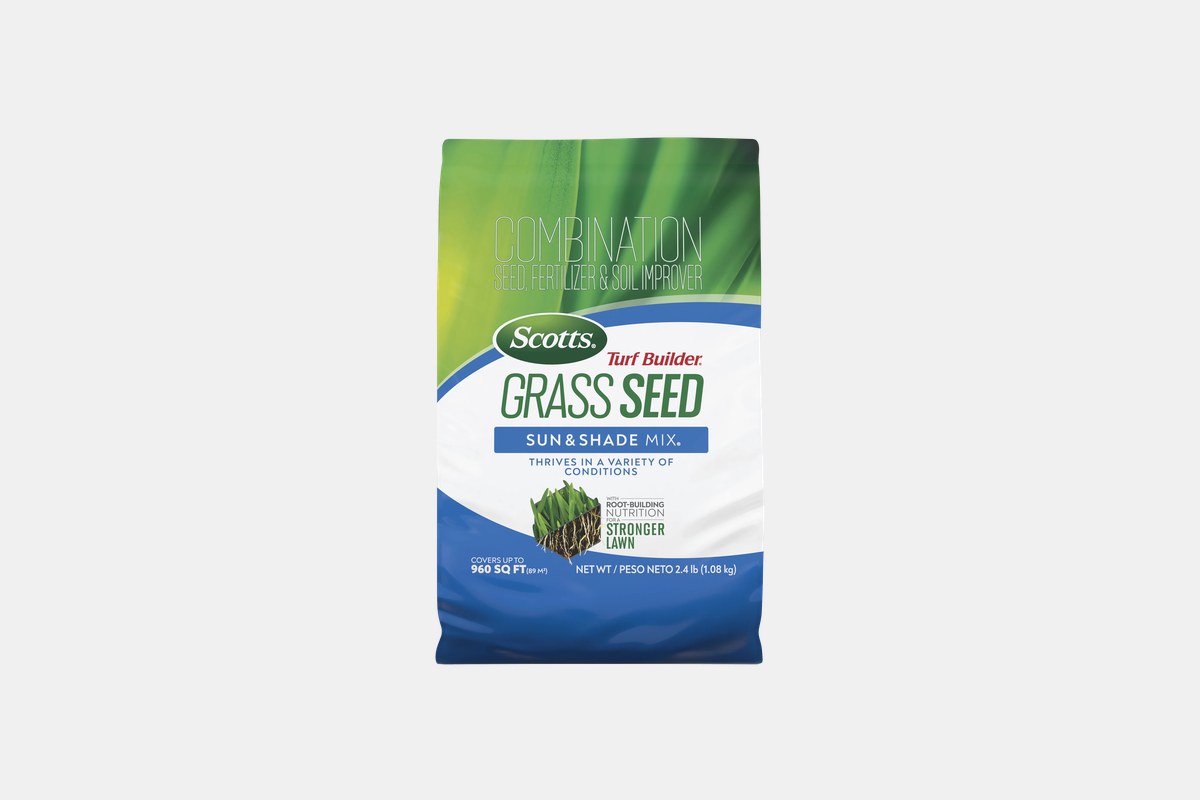
I’ve spent more time and money trying to get a decent lawn than I care to admit. I’ve tried the cheap stuff from the generic bin and I’ve tried some fancy boutique blends. After years of trial and error—and a few seasons of total failure—I’ve figured out what actually works for different situations.
There’s no single “best” grass seed for everyone. The right one for you depends entirely on where you live, how much sun your yard gets, and whether you have kids and a dog tearing things up every weekend. So, I put together this list based on what I’ve used myself and what’s worked in my own very particular yard.
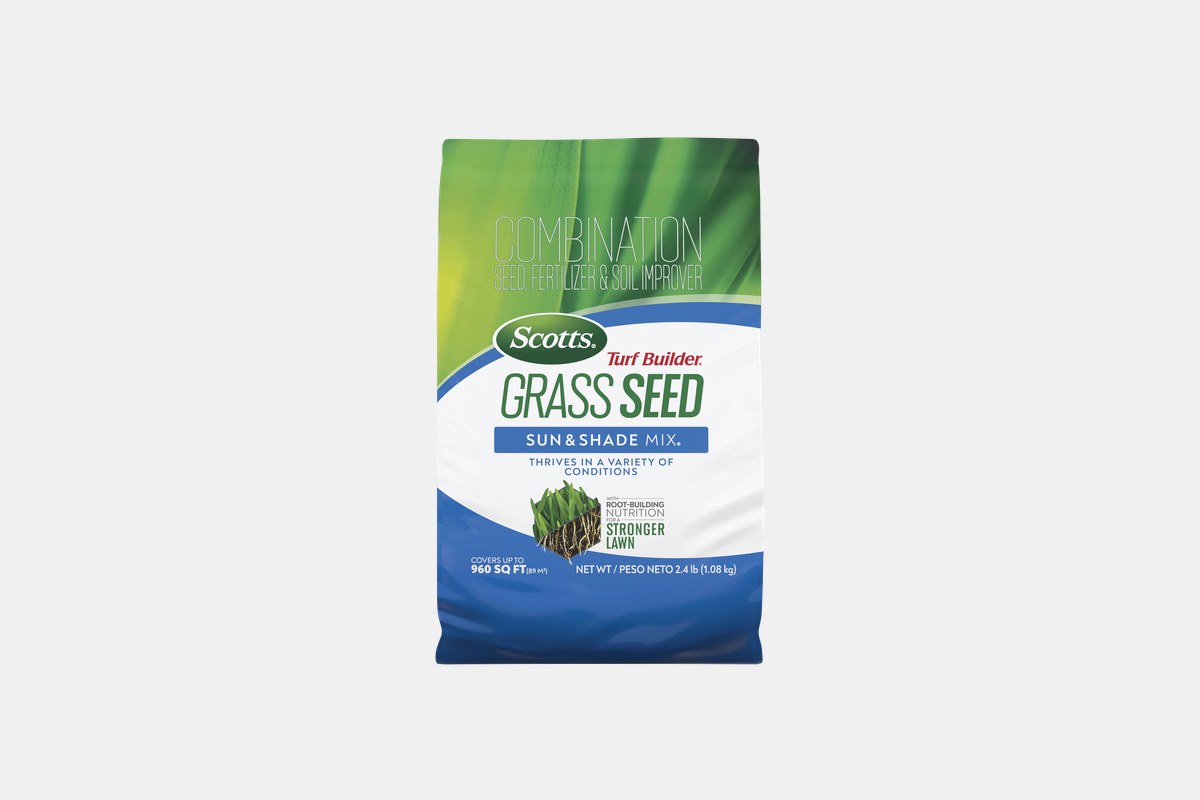
A 20-pound bag costs around $50. This is my go-to for general overseeding because my yard is a classic mix of sunny spots and areas that get shaded by big oak trees in the afternoon. It’s tough to find a seed that does well in both, but this one really handles it.
I’ve used it for two seasons now to fill in patches and it just works. The little blue coating on the seeds contains fertilizer and a soil improver, so you get a bit of a head start without having to do extra steps. It comes in thick and green pretty much everywhere I put it down.
The Downside: You really have to stay on top of watering for the first couple of weeks. If you let it dry out, germination gets patchy.
You can get a 12-pound bag for about $35. If your lawn is just looking a little thin and sad but doesn’t need a full renovation, this is the stuff. It’s designed specifically for overseeding an existing lawn.
It’s a 3-in-1 mix of seed, fertilizer, and a soil enhancer. You just set your spreader and walk the lawn. It’s perfect for thickening up the turf in the spring or fall without having to buy and apply three different products. I used it last fall on my front yard and the difference this spring is huge.
The Downside: It’s not the best choice for starting a new lawn from bare dirt. It’s really meant to be mixed into existing grass.
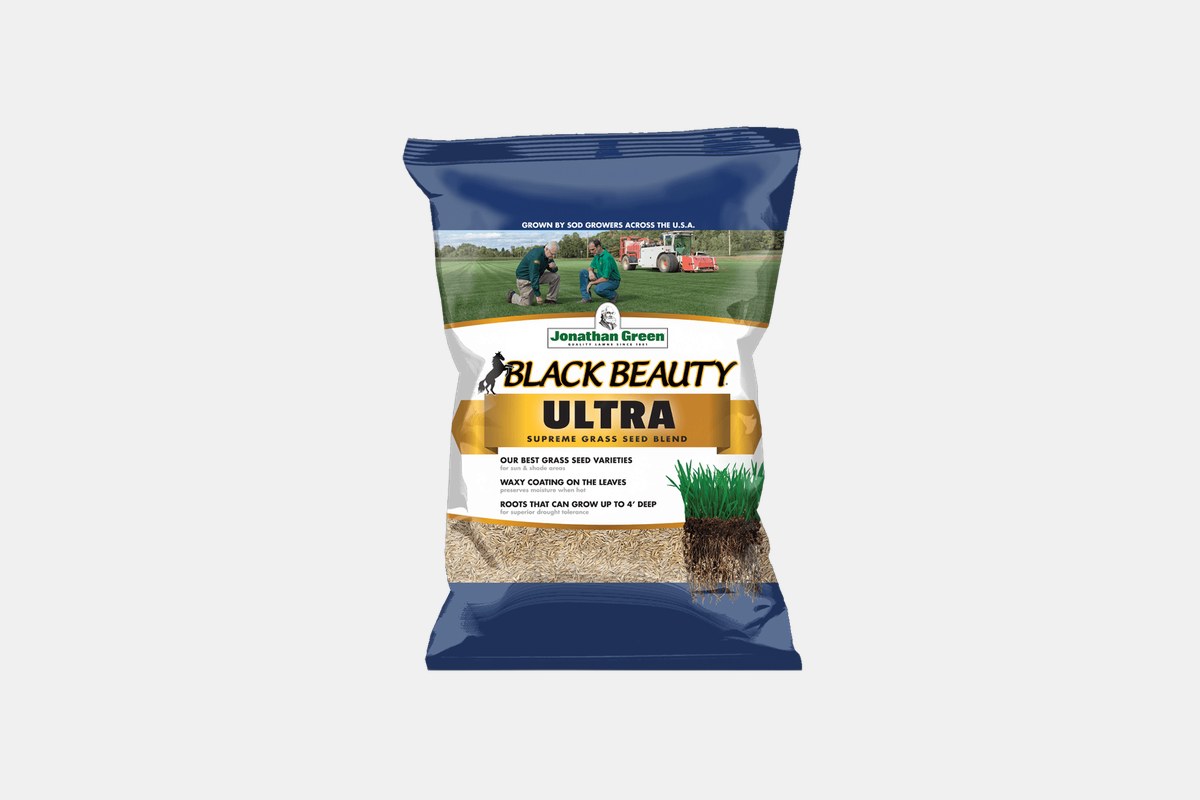
A small 3-pound bag is about $20, so it’s pricier per pound. But wow, the quality is there. This seed grows a really dark, almost blue-green grass that looks like something you’d see on a golf course.
I used this to patch some bare spots caused by a fungus last year, and it filled in incredibly fast and blended well. The roots are supposed to grow super deep, which helps it survive stress. It’s a mix of tall fescue, ryegrass, and Kentucky bluegrass, which is a pretty solid combo for cool-season yards.
The Downside: It’s not the most drought-tolerant. You’ll need to give it a good amount of water during hot, dry spells.
Expect to pay about $35 for a 7-pound bag. I have a spot along the side of my house that gets maybe two hours of direct sun, max. I’ve tried to grow grass there for years with no luck until I tried this dense shade mix.
It’s mostly fine and tall fescues that are bred to survive with very little light. The seeds are coated to help retain water, which is good because shady spots can sometimes stay damp and cause fungus. It finally gave me green coverage in an area that used to be just mud.
The Downside: It grows pretty slowly, especially in the deepest shade. You have to be patient with this one.
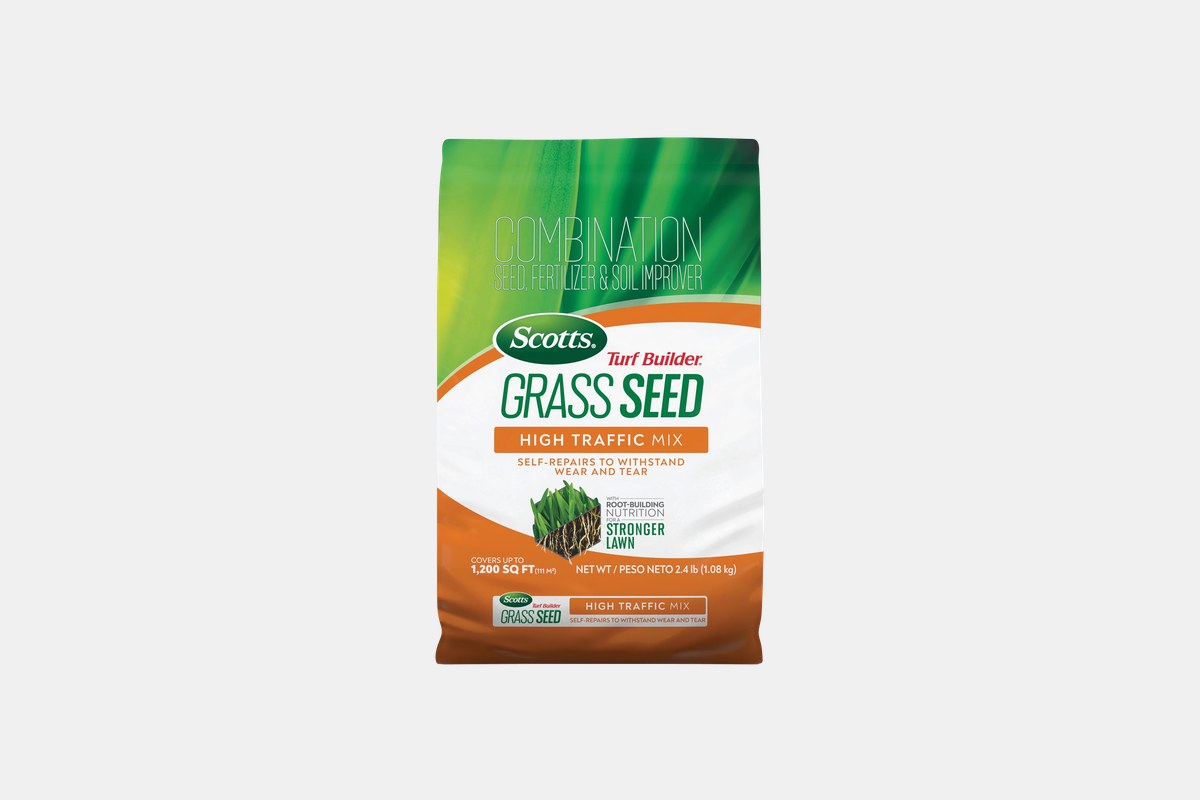
This one is pretty affordable at around $24 for a 3-pound bag. We have a Golden Retriever who creates dirt paths where he runs along the fence. This is the seed I use to repair those areas every single year.
It’s a mix that includes self-repairing Kentucky Bluegrass, which spreads to fill in worn spots over time. It stands up to the constant running and playing much better than a standard sun and shade mix. If you have kids or dogs, this is what you want for the main part of your yard.
The Downside: It really needs a lot of sun to perform well. It struggles in the shady parts of my yard.
A 4-pound bag runs about $48. If you live down south where the summers are brutal, Bermudagrass is your friend. It absolutely loves heat and sun, and it’s incredibly tough once it’s established.
This stuff spreads aggressively with runners, so it fills in bare spots on its own. It’s also very drought-tolerant, which is a huge plus when you’re dealing with summer water restrictions. Just be warned, it will go dormant and turn brown after the first frost.
The Downside: It has zero shade tolerance. Don’t even try to plant this under a tree.
This is priced around $42 for a 3-pound bag. I had family coming over and noticed a big dead patch a week before they were due to arrive. I grabbed a bag of this because I needed a miracle, and it actually worked.
It’s mostly annual ryegrass, which sprouts in just a few days. You’ll see green fuzz in less than a week if you keep it watered. It’s the perfect solution for a quick cosmetic fix when you’re in a pinch.
The Downside: Because it’s mostly annual rye, it won’t last. It’s a temporary fix that will likely die off by the next season, so you’ll need to reseed the area with something more permanent.
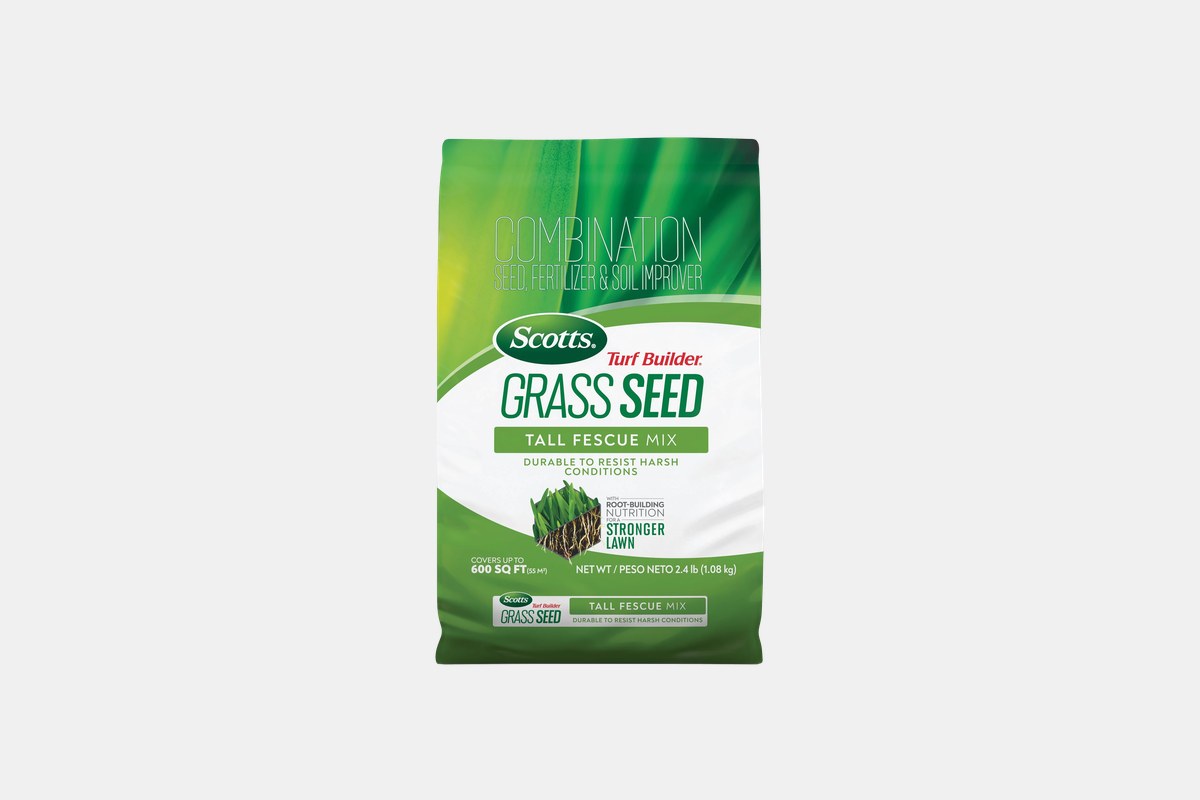
You’ll find a 20-pound bag for about $45. This is a great all-around choice if you want a lawn that’s just plain tough and doesn’t require a lot of fuss. Tall fescue is known for its deep roots, which makes it more drought-resistant than a lot of other cool-season grasses.
It can handle a good amount of foot traffic and holds its color well through summer stress. If you’re looking for a low-maintenance lawn that you don’t have to baby, a good tall fescue blend like this is a solid bet.
The Downside: The blades of grass are a bit wider and coarser than something like Kentucky Bluegrass. It feels less like a soft carpet under your feet.
Before you buy anything, you have to be honest about your yard. Do you live in the north or the south? Grasses are either cool-season (like Fescue and Bluegrass) or warm-season (like Bermuda and Zoysia), and planting the wrong type for your climate is a recipe for failure.
Next, watch the sun. Don’t just guess. Actually track how many hours of direct sunlight different parts of your yard get. “Partial shade” and “dense shade” require totally different seeds, and using a full-sun mix in a shady spot will just waste your money.
And remember, the best seed in the world won’t do a thing if you throw it on hard, compacted dirt. You have to do the prep work. Rake the area, loosen the soil, and make sure you water it correctly. The seed is just one part of the equation.
The 10 Best Lawn Edgers
The 48 Best Gifts for Men
The 10 Best Succulent Soils
The 39 Best Hostess Gifts