The 10 Best Lawn Edgers
The 10 Best Lawn Edgers

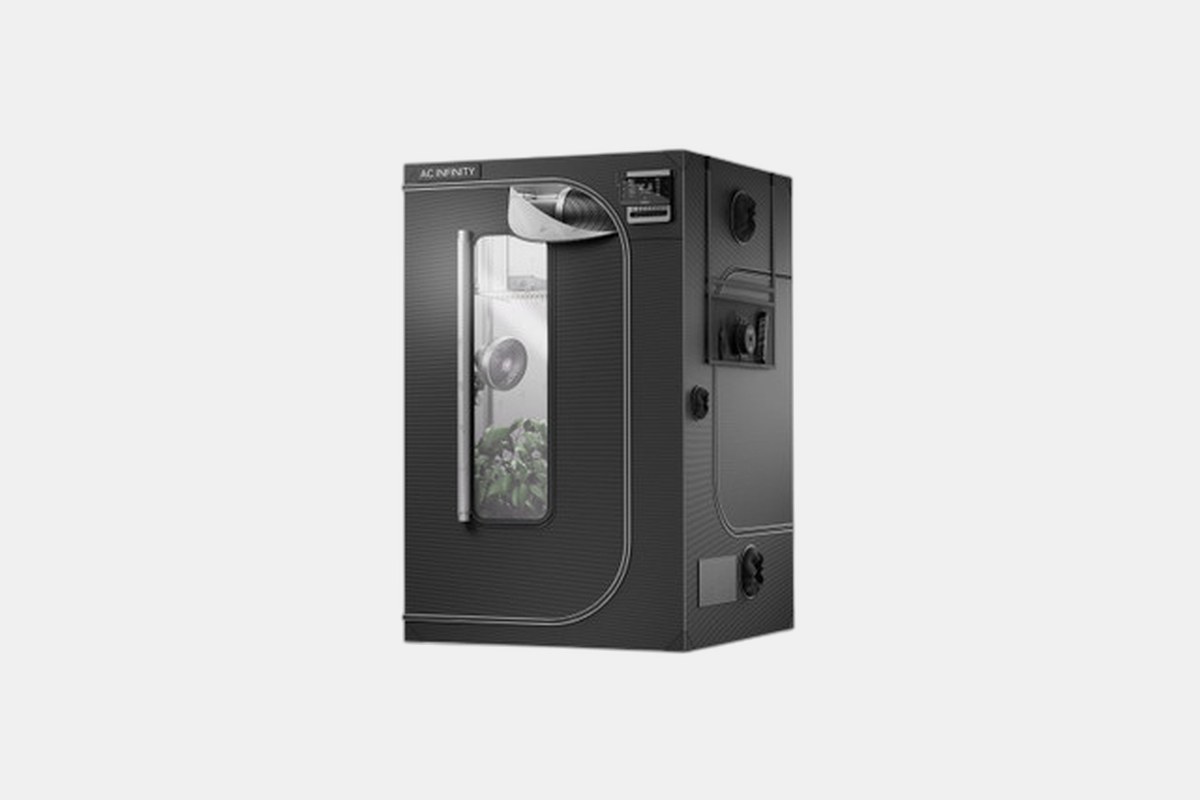
I got tired of my short outdoor growing season, so a few years back I finally took the plunge into indoor growing. My first hydroponic tent was a cheap, flimsy thing with zippers that broke and poles that felt like they’d buckle under the weight of my light. It was a mess.
After that disaster, I learned my lesson. A good indoor grow tent is the foundation of your whole setup. It controls light, heat, and humidity, and a bad one will just give you headaches and hurt your yields. So I’ve spent a lot of time testing and looking at different options.
These are the best grow tents I’ve found for 2026. I’ve used a couple of these personally and have friends who swear by the others. Whether you’re just starting out or expanding your operation, there’s a tent on this list for you.
This Vivosun tent costs about $110, and it’s the one I always recommend to people just getting their feet wet. It’s affordable, but it doesn’t feel cheap where it counts.
The setup was surprisingly easy, and it’s sturdy enough for a standard light and fan combo. I really like the little extras, like the observation window so you don’t have to unzip the whole door and mess with the environment just to peek inside. The tool organizer pouch is a nice touch, too.
It’s a great size for a basement corner or a spare bedroom. It’s not huge, but you can fit a few plants in there comfortably and really learn the ropes of indoor growing before you upgrade.
The Downside: It’s a 4×2, so if you get serious about the hobby, you’ll outgrow it pretty fast. But for a first tent, it’s hard to beat.
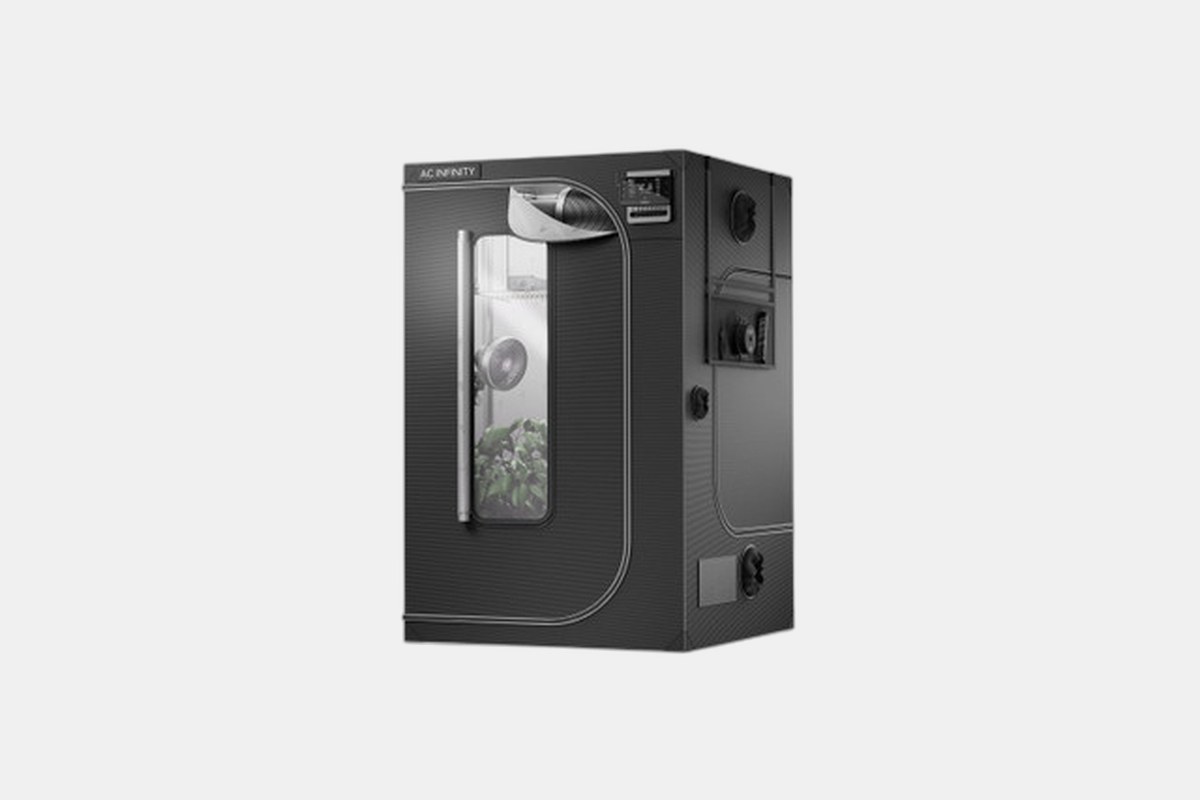
The AC Infinity Cloudlab 866 runs for about $170. This thing is built like a tank, and its main selling point is the thick steel poles. They can hold way more weight than most other tents in this price range.
If you’re running heavy LED lights, a carbon filter, and multiple fans, that extra support is great peace of mind. The canvas is also super thick and I haven’t found any light leaks, especially around the cable ports, which are designed really well.
It does a fantastic job of keeping the environment stable. The thick material really helps hold in temperature and humidity, which my plants love.
The Downside: While the tent is solid, I’ve seen some complaints online about the stitching not being as perfectly neat as some of the more expensive brands. It’s a minor thing and doesn’t affect performance, but it’s there.

At around $140, the Gorilla 2×2.5 is a premium option for a small space. This is what you get if you want to stick one or two plants in a closet and you want zero issues.
The build quality is immediately obvious. The canvas is thick, the poles are stout, and the zippers feel industrial. It comes with a really heavy-duty spill tray that gives me confidence I won’t have any water leaking onto my floor.
For its small size, it feels incredibly sturdy. You can hang a decent amount of gear in here without any worries about the poles bowing. It’s just a solid, reliable little tent.
The Downside: You’re definitely paying a premium for the brand name and build quality. You can find cheaper 2×2 tents, but they won’t be built this well.

The 4×4 Gorilla tent is about $190 and it’s for people who are ready for some serious harvests. This is basically the bigger, badder version of their small tent, with all the same quality.
The 1680D fabric is ridiculously thick, and the 22mm poles won’t even flinch with heavy equipment hanging from them. I also like that it comes with an extension kit, so you can get extra headroom if you’re growing taller plants. That’s a huge plus.
The little details are what you’re paying for here. The ports for ducting all have a double-cinch design, which makes it impossible for light to leak through. It’s just a really well-thought-out design.
The Downside: It’s one of the more expensive 4×4 tents out there. If you’re on a tight budget, this might be a stretch.
For around $187, the Vivosun Pro 5×5 gives you a massive amount of growing space. This is for the serious hobbyist who wants to grow 6 to 10 plants at a time.
The build is a big step up from their basic models. It uses a thick 2000D canvas and strong 1-inch poles, so it feels very secure even when it’s fully loaded. You get plenty of hanging bars and a good spill tray, too.
My favorite feature on a tent this big is the large observation window. It lets you check on everything without having to open the door and disturb the environment inside. It’s a huge convenience for a large-scale setup.
The Downside: It’s 80 inches tall, which is standard, but some competing tents in this size class offer a little extra height. It’s not a dealbreaker, but something to be aware of depending on your plants and lights.
When you’re shopping, the first thing I’d check is the pole thickness. Anything less than about 19mm is going to feel flimsy, especially in a bigger tent. If you plan on hanging heavy lights and filters, stronger is always better.
Next is the canvas density, measured in “D”. A higher number like 1680D is thicker and more durable than something like 600D. Thicker canvas is better at blocking light and insulating your grow space, which means more stable temps.
And don’t forget the zippers! Cheap zippers snag, break, and leak light. Light leaks are a huge problem because they can stress out your plants. Look for heavy-duty zippers with a fabric flap that covers them from the inside to ensure your tent is completely dark when it needs to be.
The 10 Best Lawn Edgers
The 48 Best Gifts for Men
The 10 Best Succulent Soils
The 39 Best Hostess Gifts