The 4 Best Deck Stains
The 4 Best Deck Stains

A good garage door opener is one of those things you don’t think about until it breaks. Then it’s a massive headache. After testing and researching dozens of automatic garage door openers this year, I’ve seen firsthand how much the technology has improved. They’re quieter, smarter, and more secure than ever.
You don’t just get a button in your car anymore. Now you get phone apps, battery backups for power outages, and even built-in cameras. It’s about finding the right balance of power for your door, the features you’ll actually use, and a noise level you can live with.
So I put together this garage door opener comparison based on what works in the real world. These are the models that consistently perform, offer great value, and make life just a little bit easier. Here are my top picks for 2026.
The Chamberlain B6753T costs $319. For most people, this is the automatic garage door opener I’d recommend. It just checks all the boxes without getting too complicated or expensive.
Its 1-1/4 horsepower motor is super strong and can lift even heavy, insulated doors without straining. But the best part is the belt drive—it’s incredibly quiet. I also love the myQ app, which lets you open, close, and even see what’s happening in your garage from anywhere thanks to the built-in video camera.
The battery backup is a lifesaver during a power outage, and the built-in LED lights are bright enough to light up the whole space. It’s just a solid, reliable unit that packs in modern features.
The Downside: If you have a taller 8-foot door, you’ll need to buy a separate extension kit. It’s not a huge deal, but it’s an extra step and expense to keep in mind.
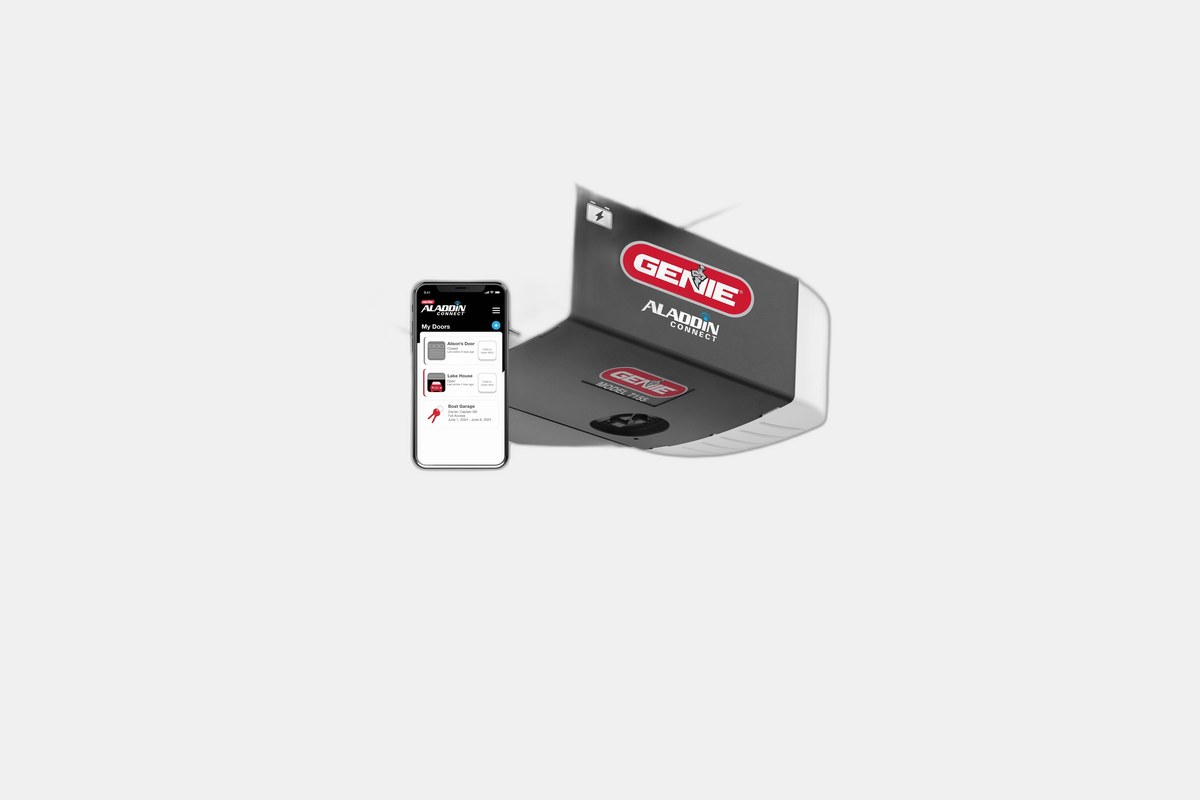
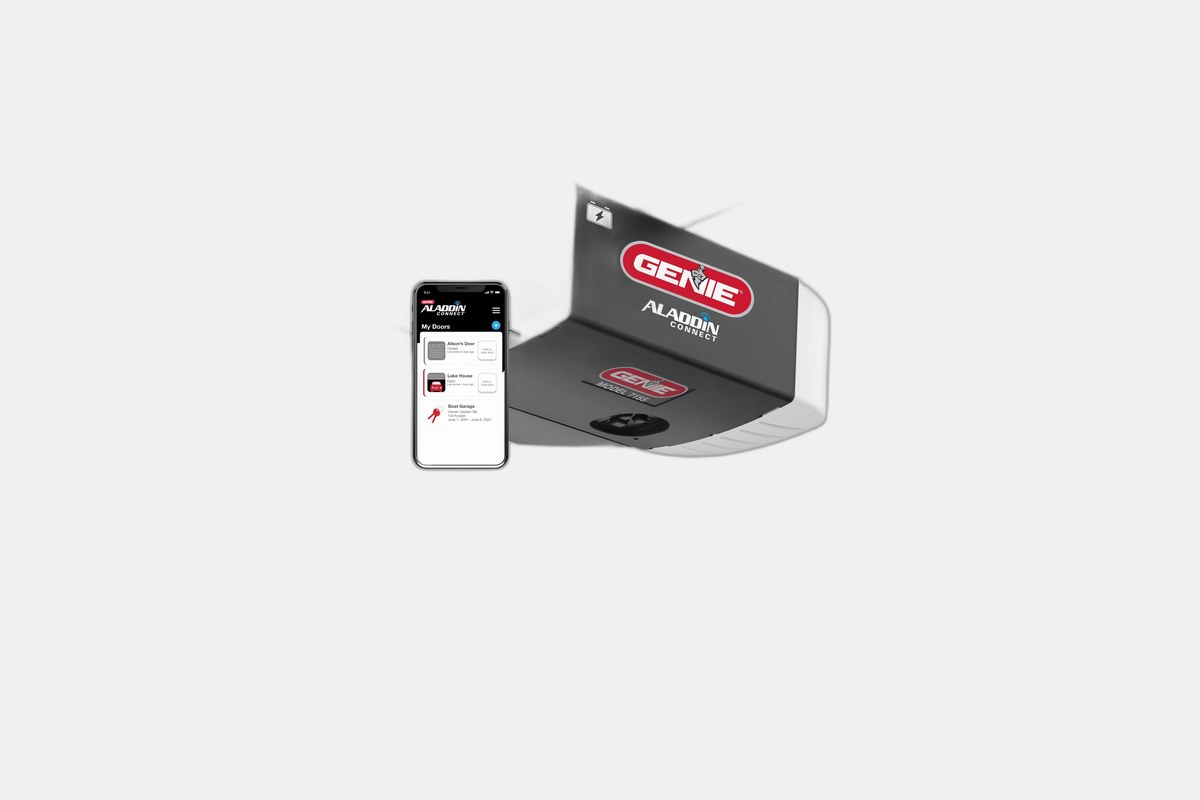
This Genie StealthDrive Connect opener runs about $310. If your main concern is noise, this is the one to get. It’s perfect for garages that are attached to the house, especially if there’s a bedroom or living room above it.
The steel-reinforced belt drive is just whisper-quiet. It’s seriously impressive. It also has plenty of power with its 1-1/4 HPc motor, so it’s not just quiet, it’s strong. It integrates easily with Alexa and Google Assistant, making it a great fit for a connected smart home.
Like the Chamberlain, it includes a battery backup and has motion-activated lighting, which is a nice touch. The lifetime warranty on the motor and belt also provides a lot of peace of mind.
The Downside: I’ve seen a few garage door opener reviews that mention spotty customer support experiences. Hopefully you won’t need it, but it’s something to be aware of.
At $474, the LiftMaster 8550W is a step up in price, but you can feel the professional-grade quality. This thing is built for the long haul. It’s my pick for anyone who needs heavy-duty reliability.
The 3/4 HP motor might sound less powerful than others on paper, but it’s engineered for consistent, smooth performance with even the heaviest custom wood doors. It uses a quiet belt drive and has the MyQ app for smart control, plus a battery backup so you’re never stuck.
This is the kind of opener that contractors often install in high-end homes because they know it just works. The lifetime motor and belt warranty backs that up.
The Downside: The main drawback is the price. It’s a significant investment compared to more basic models from the hardware store.
The LiftMaster 8500W is the most expensive on my list at around $650, but it solves a very specific problem. This is a wall-mount, or jackshaft, opener. It doesn’t hang from your ceiling like a traditional unit.
This design is amazing if you have high ceilings or want to use the overhead space for storage, like a kayak rack or a car lift. It mounts on the wall next to the garage door and turns the torsion bar directly. It’s also extremely quiet since there’s no chain or belt running across the ceiling.
It comes with all the premium features you’d expect, like MyQ smart control, an automatic deadbolt for extra security, and a battery backup. It can handle massive doors up to 850 pounds.
The Downside: It’s not a simple DIY project for most people. Getting the alignment and tension right is tricky, so you should probably budget for professional installation.
When I’m doing a garage door opener comparison, I always start with the drive type. Belt drives are the quietest and smoothest, which is what I recommend for most homes. Chain drives are cheaper and very reliable, but they’re loud. If your garage is detached, a chain drive is a fine way to save some money.
Next, consider the power. For a standard single or double aluminum door, a 1/2 HP motor is fine. But if you have a heavy, insulated, or solid wood door, you should step up to a 3/4 HP or 1-1/4 HP model to avoid straining the motor.
Finally, think about the smart features. Wi-Fi connectivity with a phone app is almost standard now, and it’s incredibly convenient for getting package delivery alerts or letting a neighbor in. Features like battery backup and built-in cameras add more security and peace of mind, and I think they’re worth the extra cost.
The 4 Best Deck Stains
The 10 Best Water Softeners
The 7 Best LED Strip Lights
The Best Window Insulation Kits to Keep Your Home Warm All Winter